
How To
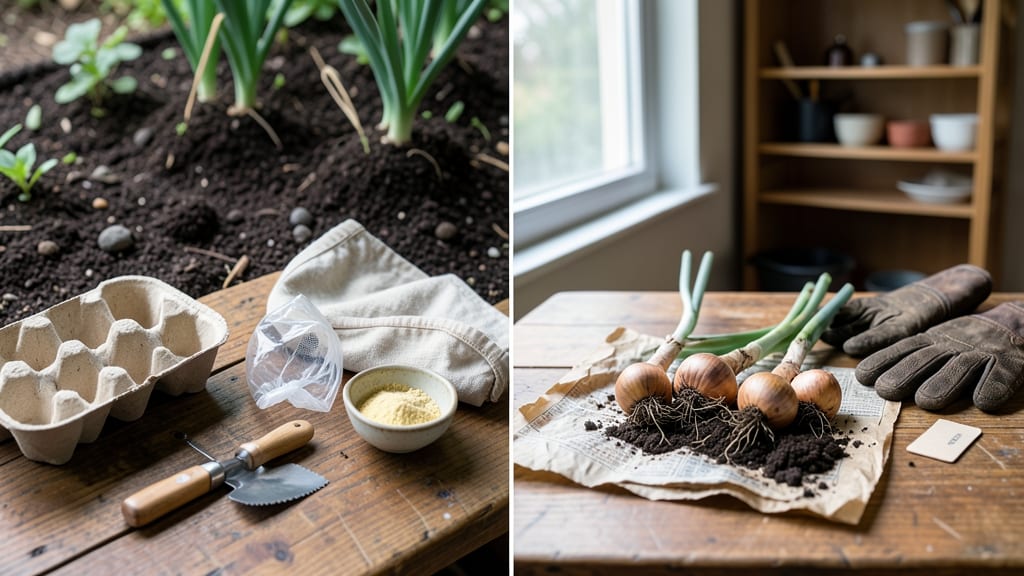
Storing hyacinth bulbs after flowering determines whether you'll see those fragrant purple spikes again next spring. 🌷 Honestly, I've dug up bulbs too early and watched them rot in storage—don't make that mistake. The key is timing, drying, and a dark, cool spot that mimics winter dormancy.
After blooms fade, wait 6-8 weeks before digging—this lets the bulb replenish energy. Once removed, brush off soil and let them dry in a shady, well-ventilated spot for 2-3 weeks. Store in a breathable mesh bag or cardboard box with dry peat moss or vermiculite to prevent rot.
Keep them in a cool (40-50°F), dark place like a basement or garage. Check monthly for soft spots or mold—if you find any, toss those bulbs immediately. By replanting in fall, you'll get stronger blooms the following year, with fewer floppy stems.
This method works for all hyacinth varieties, whether you're growing in garden beds or containers. The secret? Patience—next spring's display depends entirely on how well you preserve them now.
📚 In This Guide
- What you need
- Instructions
- Tips and common mistakes
- Wrapping up and next steps
What you need
- ● Mature hyacinth bulbs: Freshly dug bulbs (after foliage yellows but before it dies back completely). Aim for firm, dry bulbs with no soft spots or mold.
- ● Garden trowel or fork: For carefully lifting bulbs from the soil (avoid damaging the bulb).
- ● Baking sheet or mesh tray: To lay bulbs out for drying (ensure it’s clean and well-ventilated).
- ● Paper towels or newspaper: For gentle drying (avoid direct sunlight).
- ● Storage container: Option 1: Mesh bag (breathable, prevents rot).
- ● Option 2: Cardboard box with holes punched in the sides (or a ventilated plastic bin).
- ○ Drying agent (optional but helpful): Peat moss, vermiculite, or dry sand (1–2 inches at the bottom of the container to absorb moisture).
- ● Labeling tags: Write the bulb type/year on tags or use a waterproof marker on the container.
- ● Fungicide spray: Lightly mist bulbs with a copper-based fungicide (prevents mold during storage).
- ● Hygrometer: To monitor humidity (ideal range: 40–60%).
- ● Plastic wrap: For sealing containers if storing in high-humidity climates (use sparingly!).
- ● Gloves: To protect hands from soil and bulb sap.
Step-by-Step instructions for storing hyacinth bulbs after flowering
Here’s how to prepare them for next year’s vibrant blooms—no guesswork, just proven results.
🌱 Step 1: Deadhead and Stop Watering After Blooms Fade
Once the hyacinth flowers fade completely, snip off the spent blooms with clean scissors, leaving about ½ inch of stem above the bulb. This prevents the plant from wasting energy on seed production. Stop watering immediately after deadheading—you want the foliage to yellow naturally, which signals the bulb to store nutrients for next season.
Let the leaves remain on the plant until they turn completely brown and crispy. This process, called "leaf senescence," ensures the bulb stores enough energy for strong regrowth. I know it’s tempting to tidy up, but rushing this step weakens next year’s blooms. Patience here pays off.
🌿 Step 2: Dig Up Bulbs When Foliage Fully Dies Back
Wait until the foliage is fully brown and dry before digging—usually 6-8 weeks after flowering. Use a garden fork or trowel to carefully lift the bulbs from the soil, taking care not to pierce them. Gently brush off excess dirt, but don’t wash the bulbs. Any remaining soil protects them during storage.
Inspect each bulb for soft spots or mold—discard any that feel mushy or smell off. Healthy bulbs should feel firm and papery. I like to store them in mesh bags or old nylon stockings (they breathe well and prevent rot). Label each bag with the variety and year for easy reference later.
⏰ Step 3: Dry Bulbs in a Warm, Dark, Well-Ventilated Space
Place the bulbs in a dry, dark spot with good airflow, like a basement, garage, or even a sunny windowsill (indirect light is fine). Aim for temperatures between 60-70°F—too hot or cold can stress them. Let them dry for 2-3 weeks, turning them occasionally to ensure even drying.
You’ll know they’re ready when the outer skins feel slightly papery and dry to the touch. If moisture lingers, they’ll rot during storage. I’ve seen beginners skip this step and end up with moldy bulbs—don’t skip it. A fan on low can speed up drying if your space is humid.
🪴 Step 4: Store Bulbs in a Cool, Dry Place Until Planting
Once fully dry, move the bulbs to a cool, dark location (like a refrigerator crisper drawer) where temperatures stay between 40-50°F. Store them in their mesh bags or a cardboard box with paper towels or vermiculite to absorb any remaining moisture. Check them monthly—discard any that feel soft or develop mold.
Plant them in late summer or early fall, about 6-8 weeks before your first frost. The cooler storage mimics their natural dormancy period, ensuring robust regrowth. I’ve had bulbs last 2-3 years this way, though they bloom best when replanted annually.
Tips & tricks for perfect hyacinth bulb storage
Between us, the difference between next year's showstopper blooms and sad, weak flowers often comes down to these small but critical details.
Leaf Senescence is Non-Negotiable: In Step 1, when you're tempted to trim those brown leaves early, resist! The completely brown and crispy stage is when bulbs build maximum reserves. I've seen gardeners cut leaves too soon and get half-sized blooms the next spring. Test readiness by gently tugging - if leaves pull away cleanly, they're ready for removal.
Digging Timing Trick: The 6-8 weeks after flowering window in Step 2 can feel vague. Use your frost dates as a guide: aim to dig bulbs about 8 weeks before your first expected frost. This ensures they get their full dormancy period. Mark your calendar when flowers fade to track progress.
Storage Environment Secrets: For Step 3's 60-70°F drying zone, I recommend placing bulbs on a wire rack in your garage or basement. The airflow prevents moisture buildup that causes rot. A small fan on low setting (just a gentle breeze) can cut drying time by 3-4 days in humid climates - just don't let it blow directly on the bulbs.
Long-Term Viability Hack: When storing in Step 4's 40-50°F range, add a silica gel packet to your storage container. I've kept bulbs viable for 4 years this way (though they bloom best when replanted annually). The gel absorbs any residual moisture that could trigger mold during winter storage.
Pro Tips for Store Hyacinth Bulbs After Flowering
- Between us, the difference between next year's showstopper blooms and sad, weak flowers often comes down to these small but critical details.
- Leaf Senescence is Non-Negotiable: In Step 1, when you're tempted to trim those brown leaves early, resist!
- Digging Timing Trick: The 6-8 weeks after flowering window in Step 2 can feel vague.
Frequently asked questions
Got questions about storing hyacinth bulbs? You’re not alone! Here are answers to the most common concerns—so you can keep those fragrant blooms coming year after year.
How long can I leave hyacinth bulbs in the ground before storing them?
After the foliage turns yellow and dies back naturally (usually 6–8 weeks post-flowering), dig up the bulbs. Storing them too soon can stress them, while waiting too long risks rot. Pro tip: Mark their location to avoid accidentally disturbing them before they’re ready!
What’s the best time of year to store hyacinth bulbs?
Store them in late summer (August–September) after the leaves have fully browned. This timing mimics their natural dormancy cycle. If you’re in a colder climate, wait until the ground is cool but not frozen—typically after the first frost.
Do I need to refrigerate hyacinth bulbs for storage?
Not necessarily! While a cool, dark spot (like a basement or garage) is ideal (40–50°F), hyacinths can also thrive in a well-ventilated closet or even a mesh bag in a shed. Just avoid humidity—moisture is their enemy!
What if my hyacinth bulbs smell bad or look mushy after digging?
This is a red flag for rot or disease. Discard any bulbs with soft spots, foul odors, or mold. Healthy bulbs should feel firm and papery. Prevent future issues: Avoid overwatering before digging, and let the soil dry slightly before handling.
Can I store hyacinth bulbs in the fridge like onions or potatoes?
Yes! A crisper drawer (not the freezer) works well for short-term storage (a few months). Just wrap them in newspaper or place them in a breathable mesh bag. Avoid plastic—it traps moisture and promotes rot. Bonus: Check on them monthly to remove any spoiled bulbs.
Wrapping up and next steps
Storing your hyacinth bulbs properly after flowering is the secret ingredient for a vibrant return next spring! 🌱 With just a little patience and the right conditions—like a cool, dry spot—they’ll reward you with stunning blooms year after year.
Now that you’re armed with the know-how, take action: grab those bulbs, follow the steps, and give your garden a head start for next season’s beauty.
Ready to level up your gardening game? Try experimenting with container gardening or even forcing bulbs indoors for early blooms—your future self (and your neighbors!) will thank you. 🌸