
Container Gardens
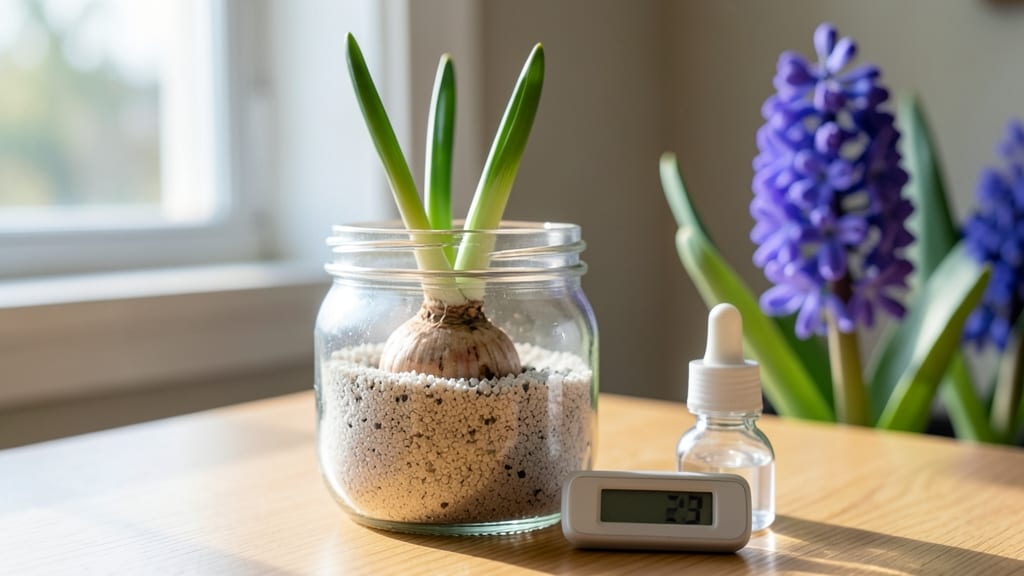
Forcing hyacinth bulbs indoors means springtime fragrance in January—just six weeks of patience and a few simple steps. 🌷 I’ve turned my living room into a fragrant garden every winter by following this exact method, and the results are worth the wait.
The secret lies in mimicking nature’s cycle: bulbs need a cold period first, then warmth to bloom. You’ll need just three supplies: a bulb, a shallow container, and potting mix (no fancy equipment). Start by chilling bulbs in the fridge for 8–12 weeks—this mimics winter dormancy.
Then, plant them in moist soil and place them in a cool, dark spot (like a closet) for another two weeks. Once green shoots appear, move them to bright light, and watch blooms emerge in 3–4 weeks.
The payoff? A burst of color and scent that lasts for weeks—perfect for Valentine’s Day or Easter tables. Just avoid overwatering (bulbs rot easily) and keep them out of direct sun until stems are sturdy. Weak stems? Try a shallower pot next time.
Works for any indoor space, even small apartments. Here’s how to nail it every time—no green thumb required!
📚 In This Guide
- What you need
- Instructions
- Tips and common mistakes
- Wrapping up and next steps
What you need
- ● Hyacinth bulbs: 3–5 large, firm bulbs (choose fragrant varieties like 'Delft Blue' or 'Woodstock' for best results).
- ● Forcing pot or container: A shallow, wide pot (6–8" diameter) with drainage holes. Glass bowls or decorative vases work too!
- ● Pebbles or gravel: 1–2 inches of clean, smooth pebbles (¼–½" size) for drainage.
- ● Potting soil or bulb mix: 2–3 cups of well-draining, sterile potting mix (avoid garden soil—it may harbor pests!).
- ● Water: Room-temperature, chlorine-free water (let tap water sit for 24 hours if chlorinated).
- ● Trowel or spoon: For gently placing bulbs and soil.
- ○ Spray bottle: To mist bulbs lightly (optional but helpful for humidity).
- ○ Thermometer (optional): To monitor temperatures (ideal range: 60–65°F (15–18°C)).
- ○ Grow lights (optional): If natural light is limited (12–14 hours of light daily).
- ○ Decorative elements (optional): Moss, pebbles, or a pretty vase liner for aesthetics!
Step-by-Step instructions for forcing hyacinth bulbs indoors
Here's the foolproof method I've used for years to coax fragrant blooms indoors by spring.
🪴 Step 1: Select and Prepare Your Bulbs
Choose large, firm hyacinth bulbs—look for ones labeled "forcing" or "pre-cooled" if available. Smaller bulbs will still work but may produce fewer blooms. Remove any dried outer skins and inspect for soft spots or mold; discard any questionable bulbs immediately. I like to soak the bulbs in lukewarm water for about 1 hour before planting to encourage root growth.
Place a layer of pebbles or small stones in the bottom of your forcing container—this ensures proper drainage and prevents the bulb from sitting in water. The container should have drainage holes, or you risk rot. I use a shallow ceramic pot with a saucer underneath to catch any excess moisture.
🌱 Step 2: Plant the Bulbs Correctly
Fill the container with the moistened potting mix (not garden soil) up to about 1 inch below the rim. Press the mix gently to settle it, but avoid compacting it too much. Plant the bulbs with their pointed ends facing up, spacing them 1 inch apart in a circle or grid pattern. This spacing ensures each bulb gets enough air circulation and light.
Cover the bulbs with additional potting mix, leaving the top half of each bulb exposed. This exposed portion will eventually sprout and grow upward. Water the soil gently until it's evenly moist but not soggy. You'll know it's right when water runs out the drainage holes but doesn't pool in the saucer.
⏰ Step 3: Chill the Bulbs for Root Development
Place the planted container in a dark, cool spot—like a refrigerator or basement—where temperatures stay between 35-45°F. This chilling period, lasting about 8-12 weeks, mimics winter conditions and triggers root growth. Check the bulbs weekly and water lightly if the soil feels dry to the touch, but avoid overwatering.
After 6-8 weeks, you'll notice small white roots emerging from the bottom of the bulb. This is your signal that the bulb is ready for the next phase. If you see green shoots during this time, your storage area is too warm or too bright—move it back to the dark, cool spot immediately.
☀️ Step 4: Bring into Light for Sprouting
Once roots are visible, move the container to a bright, indirect light location—like a sunny windowsill or under a grow light. Keep the temperature between 60-65°F during the day and slightly cooler at night. You'll see the first green shoots emerge within 1-2 weeks, and they'll grow rapidly once they get light.
Water the bulbs gently from the bottom by placing the saucer under the container and adding water until it reaches the soil line. This method prevents the bulbs from rotting while keeping the soil evenly moist. Avoid wetting the leaves or flowers once they appear—water only at the base to maintain cleanliness and prevent disease.
💧 Step 5: Care for Blooming Hyacinths
When the first buds appear, your hyacinths are nearly ready to bloom. Move them to a spot where they can receive 4-6 hours of direct sunlight daily, but avoid placing them in harsh midday sun, which can scorch the leaves. Keep the soil lightly moist—water when the top inch of soil feels dry to the touch.
Enjoy the fragrant blooms for about 2-3 weeks. Once the flowers fade, you can either remove the spent blooms to encourage a second flush (though it may be smaller) or let the foliage die back naturally. After blooming, place the container back in a bright, sunny spot to allow the leaves to photosynthesize and store energy for next year.
Tips & tricks for perfect indoor hyacinth forcing
These little details make all the difference between struggling bulbs and showstopping spring blooms.
Bulb Selection: Look for bulbs labeled "forcing" or "pre-cooled"—these have already undergone the initial cold treatment needed to trigger blooming. The size matters too: aim for bulbs at least 3 inches in diameter. I've learned the hard way that smaller bulbs often produce just a single weak stem instead of the lush clusters we want.
Temperature Matters: During the critical 8-12 week chilling period, maintain temperatures between 35-45°F consistently. I use my refrigerator's crisper drawer (set to "vegetable" mode) for perfect conditions. If your fridge fluctuates, consider a dedicated cool dark space like a basement or unheated garage. The 60-65°F day temperature after chilling is equally important—too warm and your blooms will bolt prematurely.
Lighting Strategy: Once you move bulbs to light in Step 4, avoid direct sunlight initially—it can scorch tender new growth. Start with bright indirect light (like an east-facing window) and gradually increase exposure. I've had great success using a simple LED grow light on a timer for 12 hours daily if natural light isn't sufficient. The goal is to encourage steady growth without shocking the plants.
Watering Wisdom: The bottom-watering method in Step 4 is a game-changer for preventing rot. I place my container in a shallow tray of water for 10-15 minutes, then let it drain completely before returning it to its saucer. This ensures even moisture without waterlogging. After buds appear, I switch to a spray bottle for the top inch of soil—this keeps the delicate blooms dry while maintaining moisture at the roots.
Pro Tips for Hyacinth Bulbs Forcing Indoors
- These little details make all the difference between struggling bulbs and showstopping spring blooms.
- Bulb Selection: Look for bulbs labeled "forcing" or "pre-cooled"—these have already undergone the initial cold treatment needed to trigger blooming.
- Temperature Matters: During the critical 8-12 week chilling period, maintain temperatures between 35-45°F consistently.
Frequently asked questions
Got questions about forcing hyacinth bulbs indoors? You’re not alone! Here are some of the most common concerns—and their simple solutions—to help you grow fragrant blooms like a pro.
How long does it take for hyacinth bulbs to bloom indoors?
With proper forcing, hyacinth bulbs typically bloom in 6–8 weeks after planting. Start the process in late fall (around Thanksgiving) for springtime blooms by Valentine’s Day or Easter. Patience pays off—those sweet, intoxicating fragrances are worth the wait!
Can I force hyacinth bulbs in water instead of soil?
Yes! You can force hyacinths in water using a glass vase or jar. Simply place the bulb in a shallow dish of water, ensuring the base stays moist but not soggy. Change the water weekly and keep it in a cool, dark spot until roots emerge (about 4–6 weeks). This method is great for small spaces but may yield fewer blooms than soil.
Why aren’t my hyacinth bulbs sprouting?
If your bulbs aren’t sprouting, check these common culprits:
- Temperature: Too warm? Keep them in a cool (40–50°F) spot during the initial forcing phase.
- Moisture: Overwatering can rot bulbs. Keep soil lightly damp, not soggy.
- Light: Lack of darkness during the first 6–8 weeks delays growth. Use a box or opaque bag if needed.
- Freshness: Old or dried-out bulbs may not sprout. Opt for firm, plump bulbs from a reputable supplier.
Do I need to fertilize hyacinth bulbs while forcing?
No, fertilizer isn’t necessary during the forcing process. Hyacinth bulbs store enough nutrients to bloom without extra food. Once they’ve finished flowering, you can plant them outdoors in fall for next year’s blooms—and fertilize then for future growth.
Can I reuse hyacinth bulbs after indoor forcing?
After blooming indoors, plant them in your garden in fall (after the first frost). They’ll naturalize and return year after year, multiplying and spreading. Just give them well-draining soil and full sun for best results. Pro tip: Deadhead spent blooms to encourage stronger regrowth!
Wrapping up and next steps
Forcing hyacinth bulbs indoors is a rewarding way to bring the sweet scent and vibrant colors of spring into your home—even in winter! 🌸 With just a few simple steps, you’ll enjoy blooms in as little as six weeks, turning any space into a fragrant oasis.
Now that you’re equipped with the right knowledge, grab those bulbs and get started—your future floral display is waiting!
Next step: Pick your favorite hyacinth variety, gather your supplies, and follow the guide to transform your home into a blooming paradise before spring arrives!