
Orchid Care
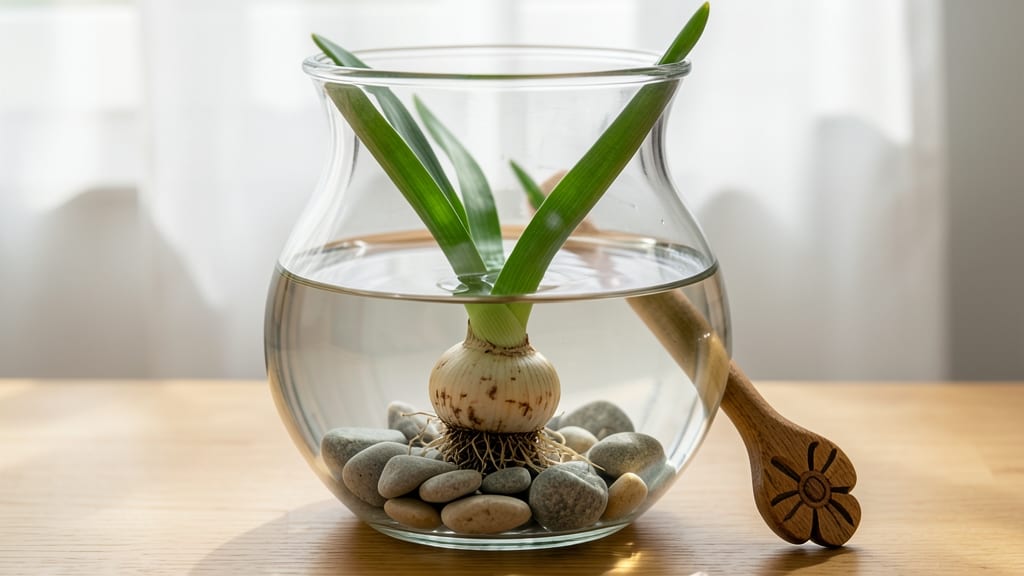
Growing hyacinth bulbs in water transforms your kitchen windowsill into a fragrant spring display—no soil, no mess, just stunning blooms in 6-8 weeks. ✨ I’ve forced dozens of bulbs this way, and the secret lies in the right bulb selection, clean water, and a bright spot without direct sun.
The results? A vase of vibrant purple, pink, or white flowers that smell like spring itself. You’ll need just three things: paperwhite or hyacinth bulbs (available at garden centers), a clear glass vase or jar, and room-temperature water.
The bulbs should be firm, with no soft spots—this ensures strong roots and blooms. Change the water every 3-4 days to prevent mold, and keep the vase in bright, indirect light. Within 2-3 weeks, roots will sprout, followed by shoots that grow taller each day.
The bulbs will eventually send up a stem with buds that open into a cluster of fragrant blooms. The scent alone makes it worth the effort—imagine that spring aroma in your home months before the garden blooms.
This method is perfect for small spaces, renters, or anyone who wants instant color. Just avoid overcrowding the vase, and you’ll enjoy cut flowers that last 2 weeks or more. Ready to try it?
📚 In This Guide
- What you need
- Instructions
- Tips and common mistakes
- Wrapping up and next steps
What you need
- ● Hyacinth bulbs: 3–5 medium-sized bulbs (preferably Hyacinthus orientalis for best results). Choose firm, plump bulbs with no soft spots or mold.
- ● Clear glass container: A jar, vase, or bowl with a narrow neck (6–8 inches tall, wide enough to fit bulbs with ~1 inch of space between them). Pro tip: 💡 Avoid metal containers—they can leach harmful chemicals.
- ● Distilled or room-temperature water: 4–6 cups (enough to cover half the bulb’s height). Pro tip: 🌡️ Tap water may contain chlorine; let it sit out for 24 hours if unsure.
- ○ Decorative pebbles or gravel: ½ cup (optional but helpful for anchoring bulbs and keeping them upright).
- ● Hydroponic nutrients: A tiny pinch of orchid fertilizer (diluted to half-strength) to boost bloom health.
- ● LED grow light: A small, cool-white bulb (6–12 inches away) if your space lacks natural light.
- ● Decorative elements: Moss, sea glass, or pebbles to enhance your water garden’s aesthetic.
Step-by-Step instructions for growing hyacinth bulbs in water
Here's how to coax those fragrant blooms indoors without soil or mess.
🪴 Step 1: Select and Prepare Your Containers
Choose clear glass containers—like vases or jars—with a wide enough opening to hold your bulbs comfortably. I like using 4-6 inch diameter containers for 4 bulbs each, since they'll spread slightly as they grow. Clean the container thoroughly with warm soapy water to remove any residue that could inhibit root growth.
Fill the bottom of the container with 3-4 inches of pebbles or small gravel (like aquarium stones). This creates a drainage layer that prevents the bulbs from sitting in stagnant water, which causes rot. Rinse the pebbles first to remove any dust that could cloud the water.
🌱 Step 2: Position the Bulbs Correctly
Place your hyacinth bulbs with their flat sides down and pointy ends up—this is critical for proper growth. Arrange them close together but not touching, since they'll develop roots toward the center. For 4 bulbs, I like to position them in a loose circle near the edges of the container, leaving the center open for root development.
Leave about half of each bulb exposed above the waterline—this mimics their natural soil environment. The bulbs need this dry top portion to prevent rotting. If you're using a wide-mouthed vase, you can tuck them in snugly; for narrow-necked containers, use a bulb holder or chicken wire to keep them in place.
💧 Step 3: Add Water and Monitor Levels
Fill the container with room-temperature water until it reaches just below the bottom of the bulbs—about 1-2 inches deep. Use filtered or distilled water if possible, as tap water chemicals can sometimes stress the plants. Change the water once a week to keep it fresh and prevent bacterial growth.
Place your container in a bright, indirect light spot—near an east or west-facing window works best. Avoid direct sunlight, which can overheat the water and cause the bulbs to rot. You'll see roots emerging within 2-3 weeks, followed by green shoots. This is your signal that everything is working!
☀️ Step 4: Provide Light and Care for Blooming
Once shoots appear, move the container to a sunnier location (still avoiding direct midday sun) to encourage strong stem growth. Hyacinths need 6-8 hours of bright, indirect light daily to develop their signature fragrant blooms. Rotate the container occasionally so all bulbs receive even light exposure.
Keep the water level consistent—never let it drop below the bottom of the bulbs, but don't submerge them completely. The bulbs will continue growing until they produce sturdy stems with flower buds, which typically takes 6-8 weeks total. You'll know they're ready to bloom when the buds begin to open and release that unmistakable hyacinth fragrance.
⏰ Step 5: Enjoy and Extend the Display
The best part? Your hyacinths will bloom indoors for 2-3 weeks, filling your home with their sweet scent. Once the flowers fade, you can either remove the bulbs and replant them in soil for next year's garden, or enjoy their decorative foliage for a few more weeks before disposal.
Here's the thing—if you want to try again next year, let the foliage die back naturally, then store the bulbs in a cool, dry place until fall. I've reused the same bulbs for 3 seasons this way, and they keep producing those gorgeous blooms year after year.
Tips & tricks for growing hyacinths in water
These simple strategies will help you coax the most vibrant blooms from your hyacinth bulbs—no green thumb required.
Container Selection Matters: Clear glass containers aren't just for looks—they let you monitor root growth and water levels easily. I've found that 4-6 inch diameter containers work perfectly for 4 bulbs each, giving them enough space to spread without crowding. For wider containers, use a loose circle arrangement in Step 2 to prevent overcrowding at the center where roots will develop.
The Drainage Layer is Non-Negotiable: That 3-4 inch layer of pebbles in Step 1 isn't just decoration—it's what prevents rot by keeping bulbs from sitting in stagnant water. Rinse the pebbles thoroughly first to avoid cloudy water that can stress your plants. Pro tip: Use aquarium stones or smooth river rocks for the cleanest look and best drainage.
Light Exposure is Everything: The 6-8 hours of bright, indirect light mentioned in Step 4 is crucial for strong stems and vibrant blooms. I place my containers near east-facing windows first, then move them to slightly sunnier spots once shoots appear. Watch for leaves turning yellow—this is your sign to increase light gradually rather than shocking them with too much sun too soon.
Water Maintenance Prevents Disaster: Changing water weekly (as specified) keeps your bulbs healthy, but consistency is key. I set a reminder on my phone for this task—neglecting it can lead to bacterial growth that causes rot. Always use room-temperature water to avoid shocking the roots, and never let the water level drop below the bottom of the bulbs.
Pro Tips for Hyacinth Bulbs In Water
- These simple strategies will help you coax the most vibrant blooms from your hyacinth bulbs—no green thumb required.
- Container Selection Matters: Clear glass containers aren't just for looks—they let you monitor root growth and water levels easily.
- The Drainage Layer is Non-Negotiable: That 3-4 inch layer of pebbles in Step 1 isn't just decoration—it's what prevents rot by keeping bulbs from sitting in stagnant water.
Frequently asked questions
Can I reuse hyacinth bulbs in water after they’ve bloomed?
Yes! After blooming, let the leaves turn yellow (this feeds nutrients back into the bulb). Then, store the bulb in a cool, dry place for 8–10 weeks before replanting in water or soil. Just skip the water method if the bulb feels soft or mushy—it’s time to retire it.
How long does it take for hyacinth bulbs to bloom in water?
Patience pays off! With consistent care, most hyacinth bulbs sprout roots in 2–4 weeks and bloom in 6–8 weeks. Keep them in a bright spot (but out of direct sun) and change the water weekly. Chill them for 6–8 weeks before forcing (if starting indoors) for faster results.
What kind of water should I use for hyacinth bulbs?
Use room-temperature, filtered, or distilled water to avoid chlorine or chemical buildup, which can harm the bulb. Tap water is fine if left out overnight to off-gas chlorine. Avoid ice-cold water—it shocks the roots and slows growth. Pro tip: A splash of orchid fertilizer (diluted to half-strength) every 2 weeks gives them a nutrient boost!
Why is my hyacinth bulb rotting in water?
Overwatering or poor drainage is usually the culprit. Only submerge the bottom 1/3 of the bulb in water—never fully submerge it. If the base feels mushy, remove it from water immediately, trim any blackened areas, and let it dry for a few days. For future growth, use a bulb cork or mesh pot to limit water exposure.
Can I force hyacinth bulbs in water indoors year-round?
Not quite! Hyacinths are seasonal and need a cool dormancy period (6–8 weeks below 50°F) to rebloom. After flowering, let them rest in a dark, cool spot (like a fridge) before forcing again next year. Without this break, they’ll focus on leaves over blooms. Think of it as their “battery recharge”!
What’s a good alternative if my hyacinth bulb won’t root in water?
Try the paper towel method first: Wrap the bulb in a damp paper towel, place it in a sealed bag, and store it in a cool, dark spot. Check weekly—roots should appear in 2–3 weeks. Once rooted, transfer it to water or a shallow container with pebbles. If all else fails, plant it in well-draining soil (like a mix of potting soil and perlite) for classic ground growth.
Wrapping up and next steps
Growing hyacinth bulbs in water is a simple, rewarding way to enjoy their fragrant blooms without the fuss of soil or traditional gardening. Whether you're a busy plant parent or just love the beauty of these flowers, this method proves that even the smallest spaces can bloom with creativity!
Now that you’re equipped with the right tips and tricks, why not give it a try? Grab a bulb, a vase, and some water—your next floral masterpiece is just a few steps away! 🌸✨