
Planting
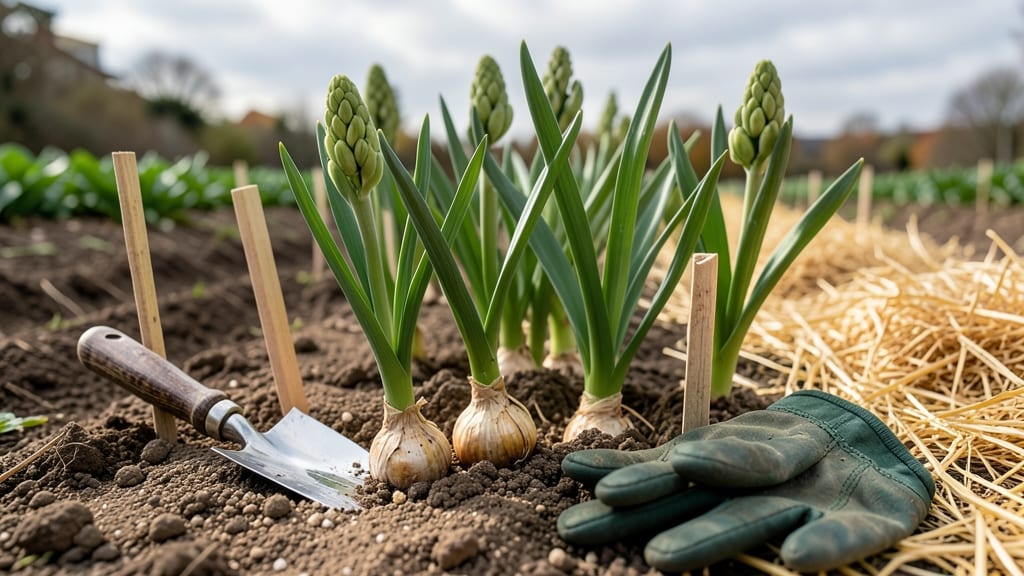
Planting hyacinth bulbs outdoors unlocks that spring surprise—fragrant purple spikes bursting through snowmelt in just 30 days. 🌱 I learned the hard way that timing is everything: plant them too early, and they rot; too late, and winter’s chill won’t trigger blooms.
The secret is getting them in the ground when soil temps drop to 50°F—usually October or November in most zones. Most beginners worry about winter survival, but hyacinths thrive outdoors in zones 3-9 once established.
They need full sun (6+ hours daily) and well-draining soil—amend heavy clay with compost or sand. After blooms fade, let foliage yellow naturally to feed next year’s flowers. Mulching helps in colder climates, but avoid smothering the bulbs.
By spring, you’ll have clusters of fragrant blooms that perfume the air for weeks. The key is patience: bulbs need 6-8 weeks of cold to bloom, so don’t rush planting. Even in mild winters, they’ll reward you with vibrant color and intoxicating scent.
Works in borders, containers, or under trees—just adjust planting depth (6" deep for most soils). Here’s how to nail it every time!
📚 In This Guide
- What you need
- Instructions
- Tips and common mistakes
- Wrapping up and next steps
What you need
- ● Hyacinth bulbs: 3–5 bulbs per plant (choose varieties like 'Anna Marie,' 'Woodstock,' or 'Delft Blue' for vibrant colors).
- ● Well-draining potting mix or garden soil: 1–2 cubic feet (or enough to fill your chosen container).
- ● Garden trowel or bulb planter: For digging holes 6 inches deep and 6 inches apart.
- ○ Compost or bulb fertilizer: 1 cup per planting area (optional but recommended for extra nutrition).
- ● Mulch (straw, pine needles, or shredded leaves): 2–3 inches to insulate roots.
- ● Watering can or hose with a gentle spray nozzle: For deep but controlled watering.
- ● Container with drainage holes: 12–16 inches deep (if planting in pots).
- ● Slow-release bulb fertilizer tablets: 1 per bulb for season-long nourishment.
- ● Garden gloves: To keep hands clean while handling soil.
- ● Stakes or markers: To label varieties if planting multiple types.
- ● Frost cloth: For early spring protection in cold climates.
How to plant hyacinth bulbs for a stunning spring display
Here's the foolproof method I use to get fragrant blooms year after year—no guesswork involved.
🌱 Step 1: Choose the Perfect Planting Location
Hyacinths thrive in full sun to partial shade, with at least 6 hours of direct sunlight daily. I always pick a spot with well-draining soil—hyacinths rot quickly if left in soggy conditions. If your soil drains poorly, amend it with 2-3 inches of compost mixed into the top 6 inches of soil before planting.
For best results, plant bulbs where they'll receive morning sun and afternoon shade, especially in hotter climates. The ideal soil temperature for planting is between 50-60°F—wait until after your first frost if you're in a cold zone. You'll know you've chosen well when the area feels slightly elevated and dry to the touch, even after rain.
🌱 Step 2: Plant Bulbs at the Right Depth and Spacing
Dig holes 6 inches deep—that's roughly twice the height of the bulb itself. I use a trowel to create a small mound of soil in the center of each hole, then place the bulb on top with the pointed end facing upward. This ensures the roots grow downward naturally. Space bulbs 4-6 inches apart for single varieties or 6-8 inches apart if mixing different colors.
Cover the bulbs with soil, then water gently to settle everything into place. Don't worry about overwatering now—the bulbs are dormant and won't absorb much. The key is to firm the soil lightly around them so they stay in position. If you're planting in fall, aim to finish by 6-8 weeks before your first hard frost to allow roots to establish before winter.
💧 Step 3: Mulch and Prepare for Winter Dormancy
Spread 2-3 inches of mulch over the planting area to insulate the soil and protect bulbs from extreme temperature fluctuations. I use shredded leaves or straw because they break down slowly and improve soil structure over time. Avoid thick layers of pine needles—they can acidify the soil and stunt bulb growth.
Hyacinths need a chilling period of 12-16 weeks at temperatures between 35-50°F to trigger blooming. In warmer climates, you may need to pre-chill bulbs in the refrigerator for 8-10 weeks before planting. Watch for signs of sprouting—if green shoots appear before winter, cover the area with a thick layer of mulch or burlap to protect them from freezing.
☀️ Step 4: Care for Emerging Foliage in Early Spring
Once shoots emerge in spring, remove any mulch to allow sunlight to reach the leaves. Hyacinths need strong foliage to fuel their blooms—don't cut back leaves until they turn yellow and wither naturally. Water moderately when the top 2 inches of soil feel dry, but avoid soaking the bulbs. Overwatering at this stage can lead to rot or fungal diseases.
Fertilize lightly with a balanced 10-10-10 fertilizer once the flowers bloom, using about ½ teaspoon per plant. This gives the bulbs energy for next year's growth without encouraging excessive foliage. You'll know you're doing it right when the stems grow 12-18 inches tall and the leaves remain vibrant green.
✂️ Step 5: Deadhead and Plan for Next Year's Display
After blooms fade, trim the flower stalks but leave the leaves intact until they yellow naturally. This process allows the bulbs to photosynthesize and store energy for next season. Once the foliage turns completely brown, you can cut it back to the ground. Mark the planting area with stakes or flags so you don't accidentally dig up the bulbs when gardening later.
Hyacinths multiply over time—if you see baby bulbs (called "offsets") forming around the parent bulb, leave them in place for another year. They'll bloom in 2-3 years, but they'll add to your display naturally. In 4-5 years, you can dig up and divide clumps to refresh the bed and prevent overcrowding.
Tips & tricks for perfect hyacinth bulb planting
These simple yet game-changing tips will help you avoid common pitfalls and maximize your hyacinth blooms next spring.
Soil Preparation Secret: Before planting, I always test my soil's drainage by digging a small hole and filling it with water. If the water doesn't drain within 30 minutes, I know I need to add more compost or create a raised bed. Well-draining soil is absolutely critical—hyacinths will rot if they sit in soggy conditions for too long, even during winter dormancy. I've seen beautiful bulbs turn to mush because of poor drainage, so don't skip this step!
Planting Depth Visual: For the 6-inch planting depth mentioned in Step 2, I use a simple trick: hold your trowel vertically and compare it to the height of your bulb. The bulb should sit about halfway up the blade. This ensures proper depth without guessing. I also make sure to place bulbs with their pointed ends up—this natural orientation helps roots grow downward correctly, which is essential for establishing strong plants.
Chilling Period Hack: If you're in a warm climate where natural chilling (12-16 weeks at 35-50°F) won't happen, I recommend pre-chilling your bulbs in the refrigerator for 8-10 weeks before planting. Store them in a paper bag (not plastic) in the crisper drawer, which mimics winter conditions. This trick has saved my hyacinths in Zone 9 where winters are too mild for natural chilling. Just remember to plant them as soon as they've completed their chilling period—they'll be eager to grow!
Spring Care Timing: The 12-18 inch stem height mentioned in Step 4 is your best indicator of healthy growth. I check this by measuring from the soil line to the top of the tallest leaf when they're fully extended. If stems are shorter than 12 inches, your bulbs might need more sunlight or nutrients. Conversely, if they exceed 18 inches, they might be getting too much fertilizer—hyacinths are sensitive to over-fertilization, which can actually reduce bloom quality.
Pro Tips for Hyacinth Bulbs Outdoors
- These simple yet game-changing tips will help you avoid common pitfalls and maximize your hyacinth blooms next spring.
- Soil Preparation Secret: Before planting, I always test my soil's drainage by digging a small hole and filling it with water.
- Planting Depth Visual: For the 6-inch planting depth mentioned in Step 2, I use a simple trick: hold your trowel vertically and compare it to the height of your bulb.
Frequently asked questions
Got questions about growing hyacinth bulbs outdoors? You’re not alone! Here are some of the most common concerns—plus quick, expert-backed answers to help you plant with confidence.
When is the best time to plant hyacinth bulbs outdoors for spring blooms?
Plant hyacinth bulbs in fall (6–8 weeks before the first hard frost), ideally between October and December in most U.S. zones (4–9). This gives them time to establish roots before winter’s chill triggers blooming. Pro tip: Aim for soil temps around 60°F (15°C)—use a soil thermometer if unsure!
Do hyacinth bulbs need a cold period to flower?
Yes! Hyacinths are chill-requiring, meaning they need 4–6 weeks of temps below 50°F (10°C) to bloom. If you live in a mild climate (like Zone 10+), plant bulbs in late fall or winter or use a refrigerator trick (store bulbs in a paper bag in the crisper for 8–10 weeks).
What should I do if my hyacinth bulbs rot after planting?
Rot usually happens from overwatering or poor drainage. Fix it by:
Containers work great for hyacinths, especially in small spaces or rentals. Use a pot at least 6 inches deep with drainage holes, and plant 3–5 bulbs per 10-inch container. Overwinter containers in a garage or cold frame if temps drop below 20°F (-7°C). Pair hyacinths with complementary perennials like:
Pro tip: If bulbs are already mushy, discard them—don’t replant!
Can I plant hyacinth bulbs in containers outdoors?
What can I plant with hyacinth bulbs for a fuller garden bed?
Pro tip: Avoid planting with aggressive spreaders like mint or daylilies—they’ll crowd out your hyacinths!
Wrapping up and next steps
Growing hyacinth bulbs outdoors is a rewarding way to bring vibrant color and fragrance to your garden in just 30 days! With the right chill treatment and sunny spot, these bulbs will burst into life, offering a show-stopping spring display.
Whether you’re a seasoned gardener or a beginner, the key is patience and proper care—your efforts will pay off in stunning blooms.
Ready to transform your outdoor space? Plant your bulbs today and enjoy the magic of nature unfolding right before your eyes! 🌸 For extra tips, explore our planting guide or share your progress with fellow gardeners—happy planting!