
Planting
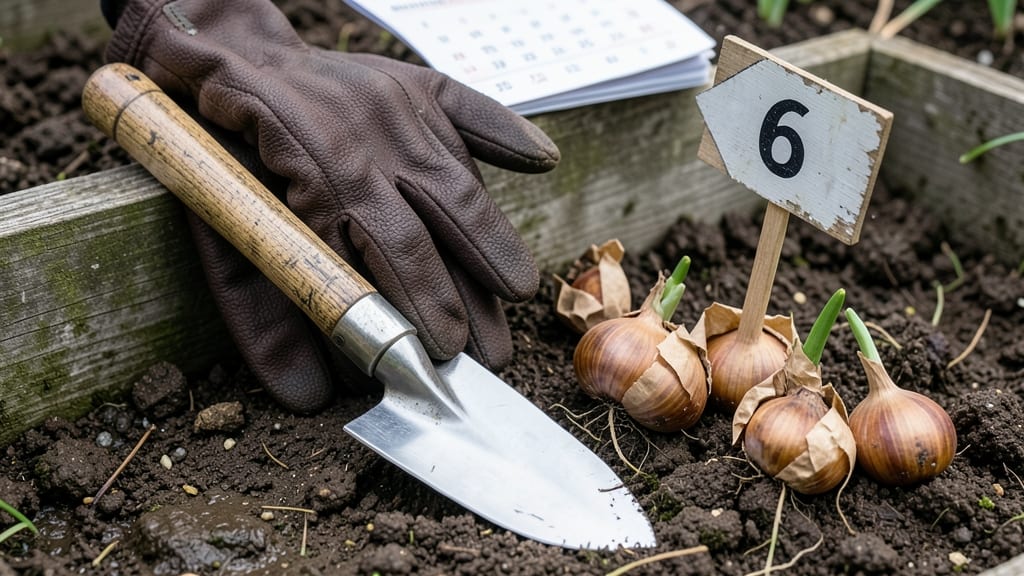
It's never too late to plant bulbs if you're in the right hardiness zone—spring-bloomers like tulips and daffodils need fall planting (6-8 weeks before frost), while summer varieties like dahlias can be planted until early summer. Always verify your zone's first frost date for precise timing.
Your hardiness zone determines the exact window for planting bulbs, as frost triggers dormancy in many varieties. 🌱 For example, gardeners in Zone 5 might still plant spring bulbs until early November, while those in Zone 9 could extend planting until December.
Summer-blooming bulbs offer more flexibility, often tolerating late starts as long as they get enough winter chill. The key is adjusting depth—planting deeper in colder zones helps protect bulbs from freeze-thaw cycles.
If you're late to the game, don't panic—some bulbs like crocus and snowdrops are surprisingly resilient when planted in late fall or even early spring. Just amend the soil with compost and water thoroughly after planting to encourage root growth before the ground freezes.
For bulbs planted in summer, focus on keeping the soil consistently moist until roots establish, which usually takes about 4-6 weeks.
💡 In This Article
- Understanding Bulb Planting Deadlines by Hardiness Zone
- Late-Season Bulb Planting Tips for Success
Understanding bulb planting deadlines by hardiness Zone
Bulb planting deadlines hinge on your hardiness zone and the bulb's dormancy needs. Spring-blooming bulbs like tulips and daffodils require a 6-8 week chill period before frost to establish roots.
In USDA Zones 3-5, this means planting between September and early November, while Zones 7-9 can extend planting until December. The rule of thumb is to plant when soil temperatures drop to 60°F—this triggers bulb dormancy and prevents premature sprouting.
Summer-blooming bulbs like dahlias and cannas have different timing because they don't need winter chill. These can be planted until early summer (around May-June in most zones), as long as the soil is workable and temperatures stay above 50°F.
The key difference is that spring bulbs rely on winter dormancy, while summer bulbs focus on establishing roots before heat stress sets in. For example, a dahlia bulb planted in Zone 6 in late May will still produce blooms by summer if kept consistently moist.
Frost dates are your best guide—plant spring bulbs 6-8 weeks before the first frost, while summer bulbs can go in until soil warms to 65°F. In colder zones (3-5), late planting risks freeze-thaw damage, but bulbs like crocus can handle it.
In warmer zones (7-9), the window stretches longer because mild winters reduce chill requirements. Always check your local frost date calculator for precision.
Depth matters too—plant bulbs 3 times their height deep in cold zones to protect against heaving, but only 2 times in warmer climates. For instance, a 2-inch tulip bulb should go 6 inches deep in Zone 4 but only 4 inches in Zone 8.
This adjustment prevents rot in wet winters while ensuring roots reach stable soil temperatures.
What most gardeners overlook is soil preparation. Amend planting areas with compost or aged manure to improve drainage and nutrient availability. Bulbs planted in heavy clay or sandy soil struggle to establish roots, so test your soil's texture and pH before planting.
A pH between 6.0-7.0 is ideal for most bulbs, as extreme acidity or alkalinity can stunt growth.
For late-season planting, prioritize hardy varieties like snowdrops or alliums—they tolerate cooler soils and still bloom reliably. These bulbs often sprout earlier in spring, giving you a head start on color. Just remember: the goal is to get roots established before dormancy sets in, whether that's winter or summer heat.