
Planting
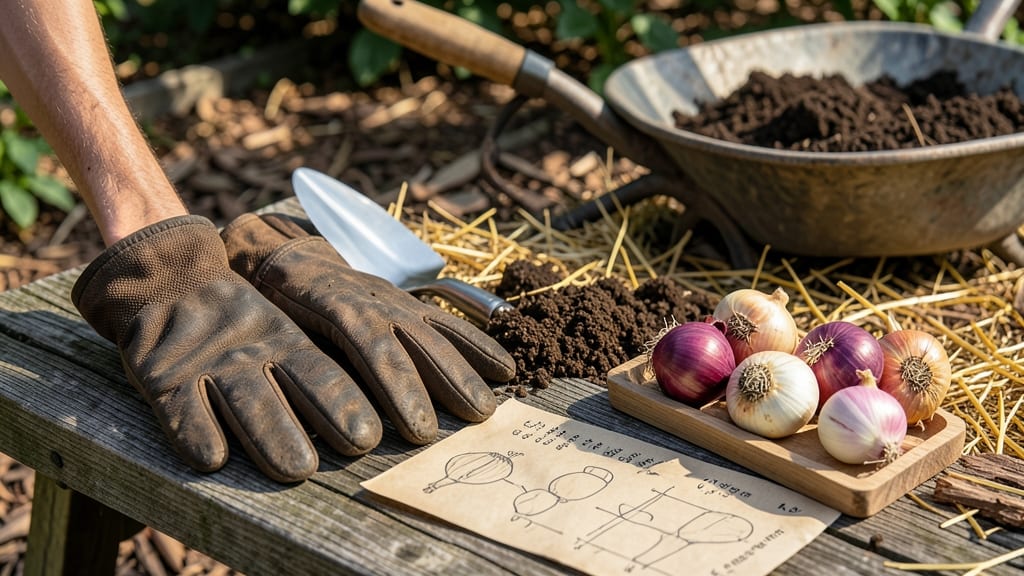
Planting large tulip bulbs in fall means spring blooms that steal the show. 🌷 I’ve learned the hard way that timing and size make all the difference—skimp on either, and you’ll end up with half-hearted stems instead of the bold, dinner-plate flowers you crave.
The secret to those showstopping blooms? Bulbs at least 2 inches in diameter—they produce 2-3 stems instead of one, and each stem holds 5-7 flowers instead of three.
Plant them 6-8 weeks before your first hard frost, when soil temps hit 50°F, and they’ll establish roots before winter’s chill sets in.
By spring, you’ll have foot-tall stems bursting with color, and the best part? They’ll naturalize over time, returning year after year with less effort. Just don’t cut back the foliage too soon—let those leaves feed the bulbs for next season’s performance.
Works in USDA Zones 3-8, from snowy Minnesota to sunny California. Here’s how to get it right the first time.
📚 In This Guide
- What you need
- Instructions
- Tips and common mistakes
- Wrapping up and next steps
What you need
- ● Large tulip bulbs: Choose size 12+ bulbs (at least 3 inches in diameter) for bold blooms. Aim for 5-10 bulbs per square foot for a lush display.
- ● Well-draining soil: A mix of garden soil, compost, and perlite (ratio: 60% soil, 30% compost, 10% perlite) works best.
- ● Organic fertilizer: A balanced 10-10-10 or bulb-specific fertilizer (e.g., Espoma Bulb-Tone) for planting and top-dressing.
- ● Mulch: 2-3 inches of straw or shredded leaves to insulate bulbs in winter.
- ● Garden trowel or bulb planter (for precise digging).
- ● Measuring tape or ruler (to ensure 6-inch spacing between bulbs).
- ● Garden gloves (to protect hands while handling soil and bulbs).
- ● Watering can or hose with a gentle spray nozzle (for even moisture).
- ● Bulb fertilizer spikes (for slow-release nutrients).
- ● Tulip cages or stakes (to support tall varieties like ‘Darwin Hybrid’).
- ● Soil pH test kit (aim for 6.0-7.0; amend with lime or sulfur if needed).
- ● Drip irrigation system (for consistent watering in dry climates).
Step-by-step guide to planting large tulip bulbs for stunning spring displays
Here's my foolproof method for planting oversized tulip bulbs that deliver showstopping blooms year after year.
🌱 Step 1: Select and Prepare Your Planting Site
Large tulip bulbs need full sun—at least 6 hours of direct sunlight daily—for those dramatic blooms. I always choose a spot with well-draining soil because tulips rot quickly in soggy conditions. If your soil is heavy clay, amend it with 2-3 inches of compost mixed into the top 12 inches of soil.
Tulips thrive in USDA Zones 3-8, but the key is timing. Plant bulbs 6-8 weeks before the ground freezes in fall—typically October to November in most regions. This gives roots time to establish before winter. Dig a hole twice as deep as the bulb's height (about 8-10 inches deep for large bulbs) and space them 4-6 inches apart in rows.
🪴 Step 2: Plant Bulbs at the Correct Depth and Orientation
Place each bulb pointy side up—this ensures the stem grows straight toward the surface. Large tulip bulbs (typically 3-4 inches in diameter) should sit 6-8 inches deep, with the top of the bulb 2 inches below soil level. Press the surrounding soil firmly around the bulb to eliminate air pockets, which can cause rot.
Here's the thing—I always add a 1-inch layer of coarse sand or small gravel at the bottom of the hole before placing the bulb. This extra drainage layer prevents waterlogging, especially in rainy climates. After planting, water deeply to settle the soil and encourage root growth before winter.
☀️ Step 3: Mulch and Prepare for Winter
Spread 2-3 inches of mulch (straw, shredded leaves, or pine needles) over the planting area to insulate bulbs during cold months. This protects them from freeze-thaw cycles that can heave bulbs out of the ground. Avoid heavy mulch like wood chips, which can smother emerging shoots in spring.
Large tulip bulbs need consistent moisture during their first growing season, but they're surprisingly drought-tolerant once established. After planting, water once more unless your region receives regular rainfall. In spring, you'll see shoots emerge in late winter, usually 4-6 weeks before blooming.
✂️ Step 4: Maintain Through Spring and Summer
Once tulips bloom, never remove the foliage until it yellows and dies back naturally. This process feeds the bulb for next year's flowers. I usually leave the leaves for 6-8 weeks after blooming before cutting them back. Fertilize lightly in early spring with a balanced 10-10-10 fertilizer (about ½ pound per 100 square feet) to encourage strong growth.
After flowering, tulips enter dormancy. If you notice bulbs declining after 3-4 years, dig them up, separate any offsets, and replant them in fresh soil. This rejuvenates their vigor and prevents overcrowding, which leads to smaller blooms. Store any extra bulbs in a cool, dry place until next fall's planting.
⏰ Step 5: Plan for Seasonal Care and Long-Term Success
For continuous blooms, stagger planting by 2-3 weeks each fall. This ensures a longer display from early to late spring. Tulips perform best in full sun, but they tolerate partial shade in hot climates—just expect slightly smaller flowers. In Zones 5-8, you can even try spring planting (February-March) for a summer bloom cycle.
Real talk: Tulips are low-maintenance, but they reward attention. If you notice fewer blooms year after year, it's often because the bulbs need dividing or the soil lacks nutrients. A simple annual top-dressing of compost keeps them thriving. With proper care, your large tulip bulbs will multiply and create dramatic, reliable displays for decades.
Tips & tricks for stunning tulip displays
These tried-and-true strategies will help you transform your garden into a showstopping tulip paradise—no green thumb required.
Sunlight Strategy: While tulips need at least 6 hours of direct sunlight daily, morning sun with afternoon shade works best in hot climates. I've seen tulips in full sun wilt faster in Zone 8 summers—so if your area gets intense afternoon heat, consider partial shade for extended blooms. Just know your flowers may be slightly smaller in less sun.
Drainage is Non-Negotiable: The 1-inch layer of coarse sand or gravel at the bottom of each planting hole is my secret weapon against bulb rot. In areas with heavy clay soil, I go a step further by creating raised beds with a 4-inch layer of sand mixed into the bottom 12 inches of soil. This prevents waterlogging that can turn your dramatic blooms into sad mush.
Timing for Success: The 6-8 week window before freeze is critical, but don't stress about exact dates. Use your first frost date as your guide—count backward from there. I've planted in early October in Zone 5 and had perfect blooms, while a friend in Zone 7 planted in mid-November with equally stunning results. The key is establishing roots before winter dormancy begins.
Mulch Like a Pro: That 2-3 inch layer of mulch isn't just decoration—it's insulation. In Zone 3 winters, I double up to 4 inches of straw mulch to protect bulbs from extreme freeze-thaw cycles. The secret is to apply mulch after the ground freezes but before heavy snowfall. This creates a stable insulating layer that won't smother emerging shoots in spring.
Pro Tips for Large Tulip Bulbs
- These tried-and-true strategies will help you transform your garden into a showstopping tulip paradise—no green thumb required.
- Sunlight Strategy: While tulips need at least 6 hours of direct sunlight daily, morning sun with afternoon shade works best in hot climates.
- Drainage is Non-Negotiable: The 1-inch layer of coarse sand or gravel at the bottom of each planting hole is my secret weapon against bulb rot.
Frequently asked questions
Got questions about growing bold tulips with large bulbs?
Here are answers to the most common ones—so you can plant with confidence!
When is the best time to plant large tulip bulbs?
Plant them in fall (6-8 weeks before the ground freezes) for USDA Zones 3-8. Aim for October-November in most regions. Bulbs need cold to bloom beautifully in spring. Pro tip: Avoid planting too early—wet soil can rot them!
Can I plant large tulip bulbs in spring instead?
Not ideal! Spring planting may delay blooming or result in weaker stems. If you miss fall, store bulbs in a cool, dry place (like a fridge) until next autumn. For zones with mild winters (Zone 8), plant in late fall to avoid heat stress.
How deep should I plant large tulip bulbs?
Dig a hole 6-8 inches deep (twice the bulb’s height) and space them 4-6 inches apart. Larger bulbs (like Darwin hybrids) need deeper planting to prevent frost heave. Add a layer of gravel or sand at the bottom for drainage. Troubleshooting: If bulbs pop up early, mulch lightly to insulate!
What’s the difference between large and small tulip bulbs?
Large bulbs (12"+ diameter) produce bigger, showier blooms and stronger stems. Smaller bulbs (8-10") are cheaper but may yield fewer flowers. Large bulbs also store more energy for multi-year blooming—perfect for cutting gardens! Bonus: They’re great for forcing indoors too!
Why aren’t my large tulip bulbs blooming?
Common culprits:
- Improper planting depth (too shallow = weak stems).
- Not enough sunlight (6+ hours daily).
- Over-fertilizing with nitrogen (promotes leaves, not blooms).
- Pests/disease (check for squirrels, tulip fire, or rot).
Wrapping up and next steps
Growing large tulip bulbs is your ticket to vibrant, showstopping blooms that brighten up gardens in USDA Zones 3-8—and the best part? It’s easier than you think! 🌸 With the right soil, timing, and care, you’ll enjoy years of stunning spring color.
Whether you’re a seasoned gardener or just starting, these bold beauties are a rewarding addition to any landscape.
Ready to transform your garden? Start by ordering your bulbs today and mark your calendar for fall planting. Your future spring garden will thank you!