
Propagation
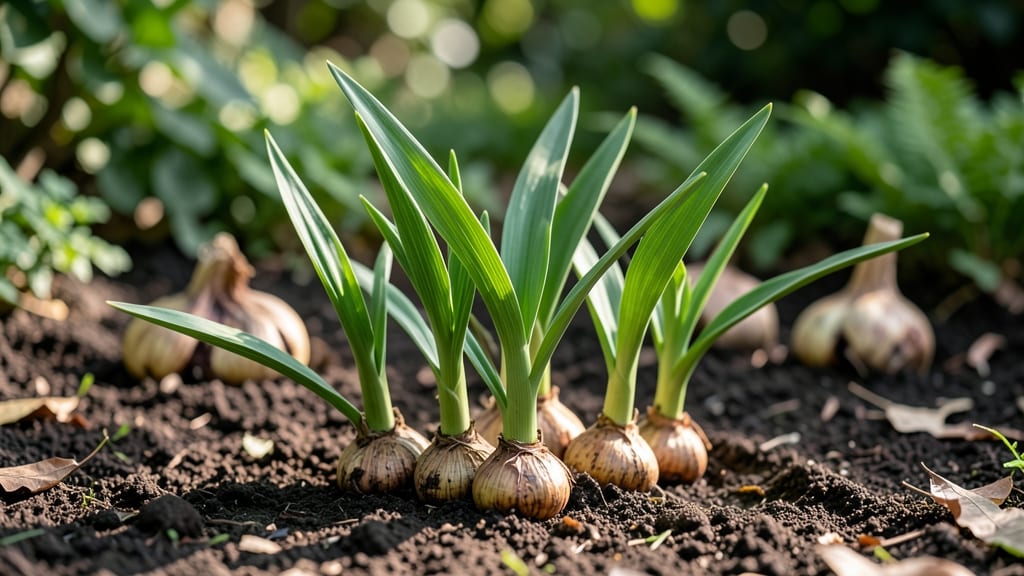
When lily bulbs begin sprouting indoors, you're holding the key to early blooms—but timing and care make all the difference. 🌱 The moment you spot those first green shoots, resist the urge to rush planting; patience here ensures stronger roots and bigger blooms later.
Most gardeners plant sprouted bulbs too deep or too shallow, which stunts growth, but the right depth (about 3-4 inches below soil) keeps them stable while allowing shoots to break through effortlessly.
Start with a well-draining potting mix—lilies hate soggy roots—and keep the soil moist but not wet, mimicking their natural forest-floor habitat. A clear plastic bag over the pot creates a humid microclimate, accelerating growth without risking rot.
Watch for bright green, firm shoots (healthy) versus yellowing or mushy stems (a sign of overwatering or rot). Within 4-6 weeks, you’ll see buds forming, proving your early start paid off.
Common mistakes like planting too early (before last frost) or exposing sprouts to drafts can set you back, but this method works even in small spaces. The payoff? Blooms in late winter or early spring, when store-bought flowers still cost a fortune.
Just avoid direct sunlight until shoots reach 3-4 inches tall—gradual light exposure prevents shock.
For best results, force Asiatic or Oriental lilies—they respond best to indoor conditions. Once shoots hit 6 inches, transition them to a sunny windowsill or grow light. The secret? Consistency: keep soil evenly moist, rotate the pot weekly for even growth, and avoid fertilizing until buds appear.
Your patience now means showstopping blooms when others are still waiting for spring.
Root Causes Behind Premature Growth
Understanding why lily bulbs sprout unexpectedly indoors is key to controlling the process—and ensuring those stunning blooms arrive when you want them. Here’s a breakdown of the science behind premature sprouting, so you can troubleshoot like a pro.
Lily bulbs are genetically programmed to sprout when conditions mimic their natural environment. In the wild, many lilies (especially species like Lilium longiflorum or Lilium asiatic) experience a vernalization period—a cold snap followed by warming temperatures—that signals it’s time to grow.
When you bring bulbs indoors too early or expose them to inconsistent warmth, they may interpret this as spring and break dormancy prematurely.
Actionable Insight:
- If your bulbs sprout before you’re ready, they may produce weak, leggy stems or even bolt (flower too early) before developing strong roots.
- Solution: Store bulbs in a cool (40–50°F), dark place (like a fridge) until you’re ready to force them. This mimics winter and delays sprouting.
Lily bulbs are sensitive to temperature shifts. If they experience sudden warmth (e.g., sitting near a heater or in direct sunlight) after a period of cool storage, they may mistake the change for spring and start growing.
This is especially true for temperate-zone lilies, which need a gradual temperature rise to trigger blooming.
Key Temperature Thresholds:
| Phase | Ideal Temp Range | Why It Matters |
|---|---|---|
| Dormancy | 40–50°F (4–10°C) | Prevents premature sprouting. |
| Pre-Forcing | 50–60°F (10–15°C) | Encourages root growth without top growth. |
| Active Growth | 65–75°F (18–24°C) | Promotes strong stems and blooms. |
Actionable Fix:
- Use a thermostat-controlled grow light setup or move bulbs to a consistently cool spot (like a basement) until forcing begins.
- Avoid placing them near heat sources (radiators, vents, or sunny windowsills) until you’re ready to force them.
Lily bulbs hate soggy conditions—excess moisture can trigger rot or premature sprouting by confusing the bulb’s internal signals. When soil stays too wet, the bulb may mistake hydration for spring rains and start growing roots or shoots too soon.
Red Flags of Overwatering:
- Mushy, discolored bulb base (sign of rot).
- Soft, pale sprouts (weak growth from stress).
- Foul odor from the planting medium.
Pro Tip:
- Use a well-draining mix (50% potting soil + 50% perlite or sand).
- Water sparingly—only when the top inch of soil is dry. Bottom-watering (placing the pot in a tray of water for 10–15 mins) prevents over-saturation.
- Ensure pots have drainage holes to avoid waterlogging.
While lilies need indirect light to bloom, too much light too soon can accelerate sprouting. Bulbs stored in bright, warm light (like a sunny windowsill) may interpret this as early spring sunlight and start growing before you’re ready.
Light Requirements by Stage:
| Stage | Light Needs | Why It Matters |
|---|---|---|
| Dormancy | Complete darkness | Prevents premature growth. |
| Pre-Forcing | Low, indirect light (e.g., north-facing window) | Encourages root growth without top growth. |
| Active Growth | Bright, indirect light (6–8 hrs/day) | Promotes strong stems and blooms. |
Actionable Tip:
- Cover bulbs with a black plastic bag or box during dormancy to block light.
- Once forcing begins, gradually introduce light (start with 4–6 hours/day) to avoid shocking the bulb.
Lily bulbs are low-maintenance during dormancy—they don’t need fertilizer to sprout. If you add fertilizer too early, the bulb may mistake nutrients for spring conditions and start growing before it’s ready.
Common Mistakes:
- Using high-nitrogen fertilizer (promotes leafy growth, not blooms).
- Over-fertilizing before roots are established (burns the bulb).
Best Practice:
- Wait until you see green shoots (2–3 inches tall) before fertilizing.
- Use a balanced, low-dose fertilizer (e.g., 5-5-5 or 10-10-10, diluted to half strength).
- Avoid organic amendments (like compost) during dormancy—they can introduce moisture and trigger rot.
Lily bulbs are delicate—disturbing them (like repotting or exposing them to temperature swings) can shock them into early growth. Even gentle handling during dormancy can send mixed signals, leading to weak, stunted sprouts.
What Counts as Stress?
- Moving bulbs frequently between storage spots.
- Planting in the wrong season (e.g., forcing in winter when they’re still dormant).
- Exposing to drafts or extreme temps (e.g., near an open fridge or AC vent).
How to Minimize Stress:
- Handle bulbs minimally during dormancy—only move them when necessary.
- Plant at the right time: Most forced lilies need 8–12 weeks of pre-forcing (e.g., plant in late fall for winter blooms).
- Use the same pot size (bulbs hate being cramped or overcrowded).
Revive and Grow Your Sprouting Lilies
Watching lily bulbs sprout indoors can be thrilling, but sometimes issues like slow growth, rot, or weak shoots can dampen the excitement. The good news? Most problems have simple fixes. Below, we’ll break down common causes and actionable solutions to ensure your lilies thrive and bloom early.
Think of this as your step-by-step guide to turning potential setbacks into stunning indoor blooms!
If your lily bulbs are taking their time to push through the soil—or the shoots look pale and leggy—these steps will help them perk up.
🔥 Boost Light Exposure
Lilies crave sunlight, especially during early sprouting. If your bulbs are in a dim corner, they’ll stretch toward the light (a process called etiolation) and weaken.
- Move them to a south- or west-facing window where they can get 6–8 hours of indirect light daily.
- Add a grow light (LED or fluorescent) if natural light is insufficient. Place it 6–12 inches above the bulbs for 12–14 hours/day.
- Rotate the pot every few days so shoots grow straight, not lopsided.
🍳 Adjust Temperature and Humidity
Cooler temps can stall growth, while excessive heat causes stress. Aim for a room-temperature range of 65–75°F (18–24°C) during the day and slightly cooler at night.
- Use a humidity tray: Fill a shallow tray with pebbles and water, then place the pot on top (but keep the bulb base dry). This mimics a greenhouse environment.
- Avoid drafts from AC vents, heaters, or open windows.
- Mist the soil lightly (not the bulb!) if the air feels dry, but don’t oversaturate.
👨🍳 Fertilize Gently
Bulbs need nutrients, but too much too soon can burn delicate roots. Wait until you see 2–3 inches of green growth before feeding.
- Use a balanced, water-soluble fertilizer (like 10-10-10) diluted to half-strength.
- Apply every 2–3 weeks during active growth (spring/summer). Skip fertilizing in winter.
- Organic options: Compost tea or a weak fish emulsion work well for sensitive bulbs.
Soggy soil or overwatering can lead to bulb rot or fungal issues. Act fast to save your lilies!
⏰ Drain and Dry the Bulb
If the base of the bulb feels mushy or smells foul, it’s likely rotting.
- Remove the bulb from the pot and gently rinse off soil with room-temperature water.
- Trim away soft, discolored areas with sterilized scissors (dip in rubbing alcohol first).
- Let it dry in a warm, shaded spot for 24–48 hours before replanting in fresh, dry potting mix.
🔪 Prevent Fungal Growth
Black spots or fuzzy mold on shoots or soil? Fungus is the culprit.
- Repot immediately in sterile, well-draining mix (add perlite or sand for aeration).
- Apply a fungicide: Use neem oil (1 tsp per quart of water) or a copper-based spray. Reapply every 7–10 days.
- Space bulbs apart in the pot to improve airflow.
🌡️ Adjust Watering Habits
Overwatering is the #1 killer of lily bulbs. Follow this rule: “Dry is better than wet.”
- Water only when the top 1–2 inches of soil feel dry (stick your finger in to check!).
- Use a pot with drainage holes and a saucer to catch excess water.
- Bottom-water: Place the pot in a tray of water for 10–15 minutes, then drain. This prevents bulb rot.
Once your lilies are on the right track, keep them happy with these proactive tips:
💡 Choose the Right Container
Lily bulbs need room to grow, but too much space can lead to weak stems.
- Use a pot 1–2 inches wider than the bulb and at least 6 inches deep.
- For multiple bulbs, space them 3–4 inches apart.
- Avoid plastic pots long-term—they trap moisture. Opt for terracotta or fabric pots for better airflow.
🎯 Select Quality Bulbs and Soil
Start with healthy bulbs in the right growing medium to avoid headaches later.
- Buy firm, plump bulbs with no soft spots or mold. Check for firm roots at the base.
- Use a well-draining mix: Combine 50% potting soil, 30% perlite, and 20% compost.
- Avoid garden soil—it’s too dense and may harbor pests or diseases.
🌿 Monitor for Pests
Spider mites, aphids, or slugs can sabotage your sprouts. Catch them early!
- Inspect leaves weekly for tiny webs, sticky residue, or chewed edges.
- Blast pests off with a strong stream of water or wipe leaves with a damp cloth.
- Use insecticidal soap (follow label instructions) for stubborn infestations.
With these solutions, your lily bulbs should sprout strong, healthy shoots ready for their indoor debut. Patience and consistency are key—soon, you’ll be rewarded with fragrant blooms that brighten up your home early in the season. Happy growing! 🌸💐
Frequently asked questions
Can I plant lily bulbs that have already sprouted?
Yes, but timing matters! Plant sprouted bulbs as soon as they reach 2-3 inches tall to avoid stress. Dig a hole 3-4 inches deep (twice the bulb's height) and space them 6-8 inches apart. The key is to keep soil consistently moist but not soggy during the first 2 weeks after planting.
What's the best way to protect emerging lily shoots?
Use frost cloth or a clear plastic dome to create a microclimate when nights are still chilly (below 50°F). Remove it during the day for sunlight. For pests, wrap the base with copper tape—it deters slugs and snails while allowing shoots to grow through.
Why are my lily shoots turning yellow?
Yellowing shoots usually signal overwatering or rot. Check if the soil feels mushy—if so, let it dry completely for 24 hours before watering again. For existing rot, trim the affected parts, dust with cinnamon powder (natural antifungal), and replant in fresh, dry soil.
How long until sprouted bulbs bloom indoors?
With proper care, forced lilies typically bloom in 8-12 weeks after planting. Asiatic varieties often flower faster (6-8 weeks), while Oriental types may take 10-14 weeks. The key is maintaining consistent warmth (65-75°F) and 12+ hours of light daily once shoots appear.
Can I force multiple lily varieties together?
Yes, but group them by bloom time to avoid mismatched growth. For example, pair fast-blooming Asiatics with slower Oriental types. Use separate containers to control watering needs—some varieties prefer drier conditions while others like consistent moisture.