
Planting
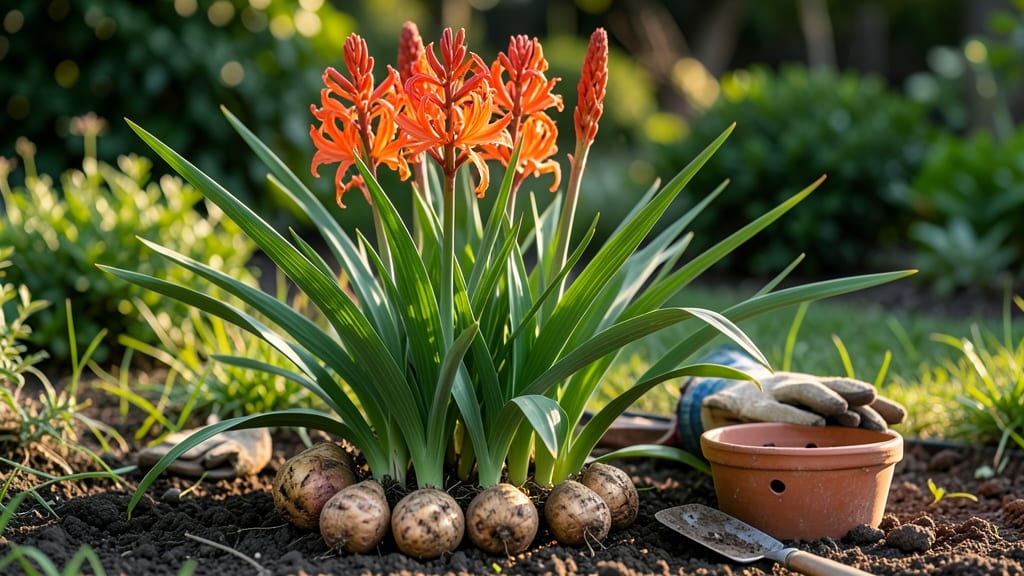
Planting Lucifer crocosmia bulbs unlocks fireworks in your garden—those dramatic, torch-like blooms that dance on sturdy stems from midsummer to frost. 🌿 I’ve grown them for five years, and they’ve become my go-to for dramatic, low-maintenance color that thrives in zones 5-9 without fuss. The secret?
Mimicking their natural Mediterranean roots—well-draining soil, full sun, and a hands-off approach once established. These bulbs reward patience with three-foot-tall spikes of fiery orange-red flowers that hummingbirds adore. Start with clumps of 3-5 bulbs planted 2 inches deep in spring after the last frost, spacing them 6-8 inches apart.
The key is not overwatering—they’re drought-tolerant once rooted, and soggy soil is their kryptonite. For extra drama, pair them with ornamental grasses or deep purple salvias to make the blooms pop. By late summer, you’ll have weeks of bold color that outshines most annuals—without the replanting.
The foliage even adds texture year-round, though it may die back in harsh winters. Divide clumps every 3-4 years to keep them vigorous, and you’ll have enough to share (or guilt-free garden expansion). The only real mistake? Planting them in shade—these bulbs crave sunlight like a desert plant craves water.
Perfect for cottage gardens, modern landscapes, or even container plantings in larger pots. Once they’re established, they’re nearly impossible to kill, making them the ultimate “plant it and forget it” perennial with showstopping results. Let’s get those fiery spikes growing!
📚 In This Guide
- What you need
- Instructions
- Tips and common mistakes
- Wrapping up and next steps
What you need
- ● Lucifer Crocosmia bulbs: 5–10 bulbs (depending on desired coverage; spacing ~4–6 inches apart). Choose healthy, firm bulbs with no soft spots.
- ● Well-draining soil: Mix 1 part compost with 2 parts native soil or use a cactus/succulent blend for optimal drainage.
- ● Garden fork or trowel: For digging planting holes (6-inch depth).
- ● Organic mulch: 2–3 inches of pine straw, shredded bark, or straw to retain moisture and suppress weeds.
- ● Watering can or hose: With a gentle spray nozzle for post-planting hydration.
- ● Garden gloves: To protect hands while handling soil and bulbs.
- ○ Slow-release fertilizer (5-10-5 ratio): 1–2 tbsp per bulb at planting (optional but boosts growth).
- ● Plant labels: To track varieties (Lucifer Crocosmia loves full sun—mark the spot!).
- ● Drip irrigation system: For automated watering (ideal for dry climates).
- ● Pruners: For trimming dead foliage post-bloom (spring cleanup!).
Step-by-step guide to planting Lucifer crocosmia bulbs
Here's how to get those dramatic, fiery blooms thriving in your garden—no guesswork involved.
🌱 Step 1: Choose the Perfect Planting Spot
Lucifer crocosmia thrives in full sun to partial shade, with at least 6 hours of direct sunlight daily. I always pick a location where the afternoon sun won’t scorch the foliage—think dappled light if your climate runs hot. The bulbs love well-draining soil, so avoid low spots where water pools after rain.
Test your soil’s drainage by digging a 6-inch hole, filling it with water, and timing how long it takes to drain. If it takes longer than 30 minutes, amend with sand or grit to improve drainage. Lucifer crocosmia’s striking foliage and blooms will reward you for getting this right.
🪴 Step 2: Prepare the Soil for Optimal Growth
Loosen the soil to a depth of 12 inches with a garden fork or tiller, breaking up any compacted layers. Lucifer crocosmia prefers soil that’s rich in organic matter but not overly fertile—too much nitrogen will produce lush leaves at the expense of blooms. Mix in 2-3 inches of compost to provide nutrients without overfeeding.
For heavier clay soils, blend in 1 part perlite or coarse sand per 3 parts soil to prevent the bulbs from rotting in winter. A soil pH between 6.0 and 7.0 is ideal, so test your soil if you’re unsure. If it’s too acidic, add crushed limestone; if too alkaline, work in peat moss.
🌿 Step 3: Plant the Bulbs at the Right Depth and Spacing
Plant Lucifer crocosmia bulbs 2-3 inches deep and 6-8 inches apart—deeper than many bulbs but not as deep as tulips. The pointed end should face upward, and the roots should spread naturally below. I like to plant them in small clusters of 3-5 bulbs to create a bold, fiery display.
Space rows 12-18 inches apart to allow airflow and prevent fungal diseases. If you’re planting in containers, use a pot at least 12 inches deep with drainage holes. Water thoroughly after planting to settle the soil and encourage root growth. Avoid overwatering now—you’ll see new shoots emerge in 4-6 weeks.
☀️ Step 4: Water and Mulch for Strong Establishment
Keep the soil consistently moist but not soggy during the first 4-6 weeks after planting, which is when roots establish. Water deeply 1-2 times per week, depending on rainfall, until the foliage appears. Once the plants are actively growing, reduce watering to once a week unless your area experiences extreme heat or drought.
Apply a 2-inch layer of mulch around the plants, keeping it 2 inches away from the bulb crowns to prevent rot. Organic mulches like shredded bark or straw work well, but avoid thick layers that can smother the plants. Mulching helps regulate soil temperature and retains moisture, which is especially important in hot, dry climates.
✂️ Step 5: Maintain and Enjoy the Dramatic Blooms
Lucifer crocosmia is low-maintenance once established, but deadheading spent blooms encourages more flowers. Snip off the faded flower stalks at the base with clean pruners, but leave the foliage until it yellows naturally in late fall. This ensures the bulbs store energy for next year’s display.
Fertilize lightly in early spring with a balanced, slow-release fertilizer (10-10-10) to support growth without overstimulating foliage. In fall, after the leaves die back, cut them back to 2 inches above the ground and add a fresh layer of mulch to protect the bulbs over winter. With proper care, your Lucifer crocosmia will multiply and create stunning, fiery blooms for years to come.
Tips & tricks for perfect Lucifer crocosmia planting
These small details make all the difference between a thriving fiery display and a lackluster garden experiment.
Sunlight Strategy: I’ve learned the hard way that Lucifer crocosmia’s dramatic foliage and blooms need that 6 hours of direct sunlight daily—but not necessarily all afternoon sun. In hot climates, morning sun with afternoon shade prevents scorching while still delivering the light they crave. Watch your plants’ leaves for any crispy edges, which means they’re getting too much intense afternoon heat.
Soil Test Hack: That 30-minute drainage test is your secret weapon. If water sits longer than 30 minutes, you’re risking bulb rot. I keep a small shovel and timer handy when testing new spots—it takes just minutes but saves you from years of disappointment. For clay-heavy soils, mix in 1 part perlite per 3 parts soil to create that perfect well-draining environment they love.
Planting Depth Visual: When planting those 2-3 inch deep bulbs, think of a golf ball—about that deep. Press them in gently so they don’t float upward when watered. The pointed end should face up, and you’ll know you’ve got the right depth when the top of the bulb is just below the soil surface. This prevents them from drying out while allowing room for roots to spread.
Mulching Precision: That 2-inch layer of mulch around your plants is crucial, but keep it 2 inches away from the bulb crowns to prevent rot. I use straw mulch because it breaks down slowly and adds organic matter as it decomposes. In winter, that mulch layer acts like a cozy blanket, protecting your bulbs from freezing temperatures while still allowing water to penetrate.
Pro Tips for Lucifer Crocosmia Bulbs
- These small details make all the difference between a thriving fiery display and a lackluster garden experiment.
- Sunlight Strategy: I’ve learned the hard way that Lucifer crocosmia’s dramatic foliage and blooms need that 6 hours of direct sunlight daily—but not necessarily all afternoon sun.
- Soil Test Hack: That 30-minute drainage test is your secret weapon.
Frequently asked questions
Got questions about growing Lucifer Crocosmia bulbs? You’re not alone! Here are answers to the most common queries—from planting to troubleshooting—to help you cultivate these fiery beauties with confidence.
When is the best time to plant Lucifer Crocosmia bulbs?
Plant your bulbs in early spring (after the last frost) or fall (6–8 weeks before the ground freezes). This gives roots time to establish before extreme temperatures. In warmer climates (Zones 8–10), fall planting is ideal to avoid summer heat stress.
Can Lucifer Crocosmia survive winter in cold climates (Zones 5–6)?
Yes! These bulbs are hardy to Zone 5 but need mulch (3–4 inches of straw or leaves) to protect them in harsh winters. Cut back foliage in late fall but leave it until spring—it stores nutrients for next year’s blooms. Pro tip: Plant in well-drained soil to prevent rot.
How do I divide and propagate Lucifer Crocosmia bulbs?
Divide clumps every 3–4 years in early spring or fall. Dig up the bulbs, separate the corms (smaller bulbs), and replant immediately. Discard soft or mushy corms—they won’t regrow. Replanting density: Space bulbs 6–12 inches apart for optimal airflow and bloom production.
Why aren’t my Lucifer Crocosmia bulbs flowering?
Common culprits include overcrowding (divide clumps), poor sunlight (they need full sun for best blooms), or lack of nutrients. Feed with a balanced fertilizer in spring. If blooms appear but fade quickly, ensure consistent watering—these beauties thrive with moderate moisture but hate soggy soil.
Are there alternatives to Lucifer Crocosmia for fiery summer color?
Try these low-maintenance, bold bloomers:
- Kniphofia (Red Hot Poker): Drought-tolerant, dramatic spikes in orange/red.
- Dietes (African Iris): Salt-tolerant, pink/purple blooms, great for coastal gardens.
- Crocosmia ‘Emily McKenzie’: Similar care, vibrant orange flowers, slightly smaller.
- Hemerocallis (Daylily): Tough, re-blooming varieties like ‘Stella de Oro’ add color without fuss.
All thrive in Zones 5–9 and love sun!
Wrapping up and next steps
Growing Lucifer Crocosmia bulbs is a rewarding way to add vibrant, fiery blooms to your garden with minimal effort! These hardy plants thrive in zones 5-8, offering striking color and long-lasting beauty.
Whether you're a seasoned gardener or just starting, their resilience and striking appearance make them a must-have for any landscape.
Ready to transform your garden? Plant your Lucifer Crocosmia bulbs this fall—they’ll reward you with bold, eye-catching flowers next season! 🌸✨