
Diseases
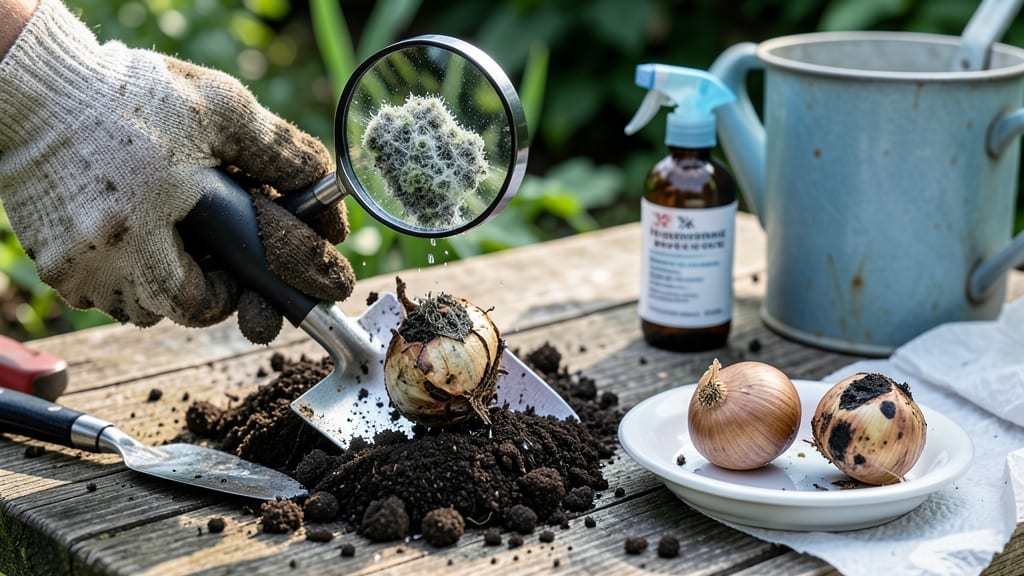
Moldy tulip bulbs can turn your spring garden dreams into a soggy mess—but there’s still hope. 🌱 I’ve salvaged dozens of bulbs from fuzzy white mold by acting fast, and the key is knowing exactly what to do (and when to toss them).
The moment you spot that telltale fuzz, you’re racing against time to clean, dry, and store them properly—or risk losing next year’s blooms entirely.
Most mold happens from too much moisture during storage, whether it’s damp paper wrappers, plastic bags, or bulbs left in a damp basement. Fungal spores thrive in those conditions, turning your bulbs into a science experiment you didn’t sign up for.
The good news? Bulbs with surface mold (not deep rot) can often be saved with the right treatment—no fungicide needed. Here’s how to tell the difference and act fast.
Start by trimming away moldy spots with a sterile knife, then soak the bulbs in a 1:10 bleach-water solution for 10 minutes to kill lingering spores. After rinsing, let them dry in a cool, dark, well-ventilated spot for at least 2 weeks—this is non-negotiable.
Store them in a mesh bag with dry peat moss or vermiculite to prevent future moisture buildup. By spring, you’ll have healthy bulbs ready to plant, just like the ones that never saw mold.
Prevention is easier than cleanup: store bulbs in a cool (40–50°F), dry place with good airflow, and inspect them monthly for early signs of mold. If you’ve ever lost bulbs to rot, this method will change your game—no more guessing whether to replant or start over.
Let’s get those tulips back in action!
The Hidden Triggers Behind Bulb Rot
When your tulip bulbs turn moldy, it’s rarely just bad luck—it’s usually a mix of environmental stress, storage mistakes, or even sneaky pests. Understanding the root causes helps you fix the problem and protect future blooms. Let’s break down the science behind why your tulip bulbs go bad.
Tulip bulbs are not water-resistant—they’re actually semi-dormant and highly sensitive to excess moisture. When stored in damp conditions (like a humid basement or a plastic bag with condensation), their protective outer scales soften and absorb water.
This creates the perfect breeding ground for Botrytis cinerea (gray mold) and Fusarium fungi, which thrive in wet, oxygen-poor environments.
Even after planting, overwatering in the wrong season (like fall when roots aren’t established) can drown the bulb, leading to soft rot. The bulbs’ natural sugars become a buffet for microbes, turning them mushy and foul-smelling.
Actionable fix: Store bulbs in a cool, dry place (40–50°F) with circulation—think mesh bags or cardboard boxes with ventilation holes. After planting, water only when the top inch of soil is dry.
Tulip bulbs are chill-loving but hate extremes. Storing them too warm (above 60°F) speeds up metabolism, depleting their energy reserves and weakening their defenses. Meanwhile, freezing temps (below 32°F for extended periods) can rupture cell walls, making them vulnerable to rot-causing pathogens.
Even worse? Temperature fluctuations (like moving bulbs from a garage to a heated car) cause condensation inside storage containers, trapping moisture against the bulbs. This is a mold magnet.
Science alert: Ideal storage temp is 35–45°F—like a refrigerator’s crisper drawer. Avoid basements with furnaces or attics that bake in summer.
Before mold even appears, bulb-eating pests like squirrels, voles, mice, and bulb mites can burrow into tulip bulbs, creating entry points for fungi. These critters don’t just nibble—they contaminate the bulb with their saliva and feces, introducing Fusarium or Penicillium spores.
Even less obvious culprits like thrips (tiny insects) can spread gray mold from plant to plant. If you’ve noticed wilted tulips in spring, check for blackened, sticky stems—a sign of thrip damage.
Pro tip: Store bulbs in mesh bags or wire baskets to deter rodents. Before planting, soak bulbs in a 1:10 bleach-water solution (1 part bleach to 10 parts water) for 10 minutes to kill lingering pests and spores.
Tulips need precise timing to establish roots before winter. Planting too early (before soil temps drop below 60°F) can encourage premature root growth, which rots if followed by heavy rains. Planting too late (after the first frost) leaves them vulnerable to freeze-thaw cycles, which crack the bulb’s protective layers.
Depth matters too! Burying bulbs too shallow (less than 6 inches deep) exposes them to temperature swings and frost heave. Too deep (over 8 inches) starves them of oxygen and light, weakening their immune response.
Golden rule: Plant tulips in fall when soil temps are 40–50°F and at 6–8 inches deep (pointy end up). In warm climates, consider spring planting with a chilling period (store bulbs in the fridge for 10–12 weeks first).
Now that you know the real villains behind moldy tulip bulbs, you can tackle the problem at its source—before it ruins your garden. Next up: Quick fixes to revive (or replace) affected bulbs.
Revive Your Blooms Now
Fungal spores and soggy soil don’t have to spell the end for your tulips—here’s how to rescue moldy bulbs and prevent future rot. Below, we’ve matched common causes to practical fixes, plus pro tips to keep your garden thriving.
Cause: Overwatering or poor drainage lets bulbs rot from the inside out. Fix:
- 🔥 Dig Up & Inspect Gently remove the bulb from the soil. If it’s soft, slimy, or smells foul, it’s too far gone—discard it in the trash (not compost!).
- 🍳 Trim the Damage For slightly affected bulbs, use sterilized scissors to cut away mushy sections, leaving only firm, healthy tissue. Let it dry in a shady, well-ventilated spot for 24–48 hours.
- 👨🍳 Replant with Care
- Soil upgrade: Mix in perlite or coarse sand (20–30%) to improve drainage.
- Depth check: Plant bulbs 6–8 inches deep (deeper than before) to protect from moisture.
- Water lightly: Wait 1–2 weeks before watering again, then keep soil barely moist (not soggy).
✨ Prevention Tip: Add a 2-inch layer of gravel at the bottom of planting holes or use raised beds for tulips in heavy clay soil.
Cause: Fungal infections (like Botrytis or Fusarium) thrive in damp, crowded conditions. Fix:
- 🔪 Scrub & Sterilize
- Brush off mold with a soft brush dipped in 1:9 hydrogen peroxide solution (or rubbing alcohol).
- Do NOT use bleach—it can harm the bulb.
- 🌡️ Dry Cure Place bulbs in a paper bag with wood ash or crushed charcoal (natural fungicide) for 3–5 days in a dry, warm spot (70–75°F).
- 🎯 Replant Strategically
- Space bulbs 4–6 inches apart to improve airflow.
- Avoid overhead watering—use a drip irrigation system or water at the base.
- Fungicide boost: Treat soil with copper fungicide or neem oil spray before replanting.
💡 Pro Tip: Rotate planting locations yearly—never replant tulips in the same spot for 3+ years to break fungal cycles.
Cause: Nematodes, rodents, or slugs create entry points for mold. Fix:
- 🦠 Pest Control First
- Nematodes: Soak bulbs in hot water (110°F for 30 mins) before planting.
- Slugs/snails: Set out beer traps or diatomaceous earth around the garden.
- Rodents: Use castor oil-based repellents or hardware cloth barriers in raised beds.
- 🏗️ Fortify Planting Sites
- Copper tape around beds deters slugs.
- Plant companion flowers like daffodils (toxic to rodents) nearby.
🔥 Prevention Tip: Store bulbs in a mesh bag (not plastic) in a cool, dry place (32–40°F) over winter to deter pests.
Cause: Extreme moisture or physical trauma weakens bulbs. Fix:
- 🌧️ Drainage Overhaul
- Test your soil: If it stays wet >48 hours after rain, amend with compost + sand.
- Elevate beds or install French drains in problem areas.
- 🛡️ Protect from Elements
- Cover bulbs with straw mulch (2–3 inches) in winter to insulate from freeze-thaw cycles.
- After hail: Remove damaged foliage to prevent bacterial entry.
🎯 Long-Term Fix: Choose disease-resistant tulip varieties like ‘Darwin Hybrid’ or ‘Fosteriana’ for tougher blooms.
🚀 Quick Recap Table:
| Problem | Immediate Fix | Prevention |
|---|---|---|
| Soft/Mushy Bulbs | Trim, dry, replant in amended soil | Gravel layers + raised beds |
| Fungal Mold | Scrub, sterilize, fungicide treatment | Airflow + copper spray |
| Pest Damage | Hot water soak, traps, barriers | Mesh storage + companion planting |
| Weather Damage | Drainage upgrades + mulching | Resistant varieties + soil tests |
💬 Final Note: Moldy bulbs aren’t always a death sentence—act fast, and your tulips can bounce back stronger. For severe cases, start fresh with healthy bulbs from a reputable nursery. Your garden’s next bloom season depends on it!
Frequently asked questions
Can I save tulip bulbs with just surface mold?
Yes! If the mold is only on the outer scales and hasn't penetrated deeper, you can often save them. Trim away the moldy areas with a sterile knife, then soak the bulbs in a 1:10 bleach-water solution for 10 minutes to kill spores. Let them dry completely in a well-ventilated area for 2 weeks before storing.
What’s the difference between mold and rot in tulip bulbs?
Mold appears as fuzzy white, green, or black growth on the bulb’s surface, while rot causes the bulb to become soft, mushy, and foul-smelling. If the bulb is slimy or collapses when pressed, it’s too far gone—discard it. Surface mold can sometimes be treated, but rot means the bulb is compromised internally.
Why do my tulip bulbs keep getting moldy even after I treat them?
Persistent mold usually means storage conditions aren’t ideal. Check for high humidity, poor airflow, or temperature fluctuations. Store bulbs in a cool (40–50°F), dry place with circulation, like a mesh bag in a garage or basement corner. Avoid plastic bags—condensation traps moisture and encourages mold.
Is it safe to replant bulbs that had mold last year?
Only if you’ve thoroughly treated them! After cleaning, soak bulbs in a 1:10 bleach-water solution or hydrogen peroxide (3%) for 10–15 minutes, then dry them completely. Replant in well-draining soil and avoid overhead watering. For extra protection, treat the soil with copper fungicide before planting.
Can I use vinegar to clean moldy tulip bulbs?
While vinegar kills some fungi, it’s too harsh for tulip bulbs—it can damage their protective layers. Stick to a 1:10 bleach-water solution or rubbing alcohol (70% isopropyl) for disinfecting. Rinse thoroughly and dry completely to prevent residue from irritating the bulbs.