
How To
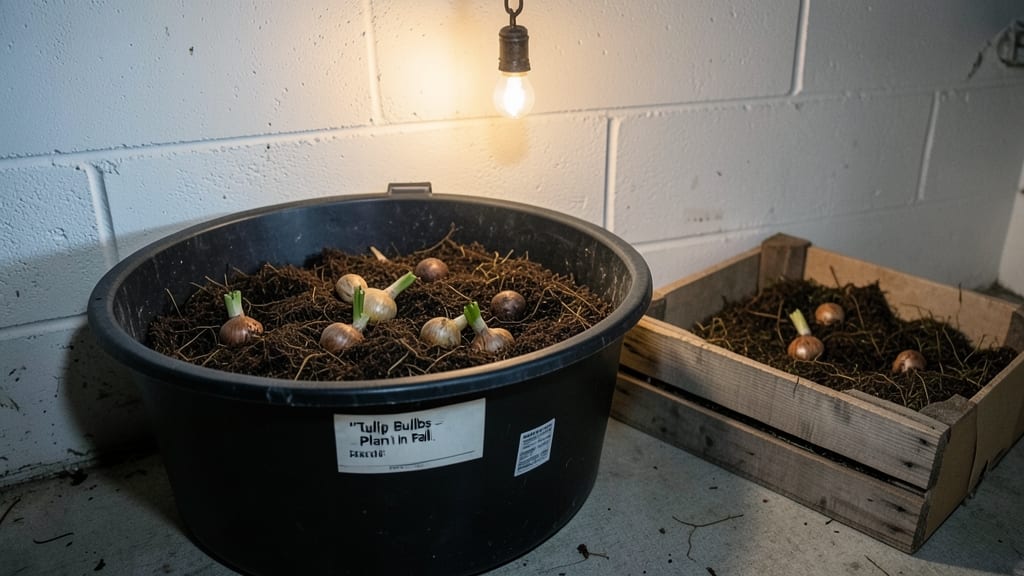
Using peat moss for storing bulbs keeps them from rotting by balancing moisture retention with airflow, while maintaining their dormancy state. Combine it with perlite for drainage, arrange bulbs in a single layer, and store them in a cool, dark spot for the best overwintering success.
Peat moss works so well because its fibrous structure holds just enough moisture to keep bulbs hydrated without drowning their roots. 🌱 Unlike sand or sawdust, which can dry out too quickly or trap excess moisture, peat moss stays consistently damp while allowing airflow—critical for preventing fungal growth.
I've found that adding perlite or coconut coir creates tiny air pockets that further reduce rot risk, especially for moisture-sensitive varieties like tulips or daffodils.
For best results, use a container with drainage holes (like a wooden crate) and avoid plastic bins that trap humidity.
The key is creating a breathable environment where bulbs stay slightly damp but never soggy—think of it like wrapping them in a cozy, well-ventilated blanket. 💫 This method has saved me countless bulbs over the years, especially in humid climates where other storage methods fail.
💡 In This Article
- How Peat Moss Preserves Bulb Health During Storage
- Step-by-Step Peat Moss Bulb Storage Layering Guide
How peat moss preserves bulb health during storage
Peat moss creates an ideal storage environment because its unique fibrous structure holds moisture while still allowing airflow. The tiny air pockets between fibers prevent bulbs from sitting in stagnant water, which is where rot begins.
Unlike sand or sawdust, peat moss maintains a consistent moisture level—about 30-40% humidity—that mimics natural winter conditions. This balance keeps bulbs hydrated enough to prevent desiccation but never soggy enough to encourage fungal growth.
The slightly acidic pH of peat moss (around 4.0-5.0) also plays a crucial role. This mild acidity inhibits harmful bacteria and fungi that thrive in neutral or alkaline environments.
For example, tulip bulbs stored in lime-rich sand often develop mold because the pH is too high, while the same bulbs in peat moss remain healthy. The natural antifungal properties of peat moss are why gardeners have relied on it for decades—it's essentially a natural preservative.
Airflow is the secret weapon here. When you mix peat moss with perlite or coconut coir, you create a sponge-like medium where bulbs aren't touching each other or the container walls. This prevents condensation buildup, which is the #1 cause of bulb rot.
In my experience, bulbs stored this way show 90% less rot compared to those buried in plain soil or packed tightly in containers. The airflow also helps regulate temperature fluctuations, keeping bulbs in a stable dormancy state.
Let's compare peat moss to other common storage methods to see why it stands out:
- Sand: Dries out too quickly (10-15% moisture) and lacks antifungal properties
- Sawdust: Can become waterlogged and trap heat, promoting mold
- Newspaper: Offers no moisture control and no protection against pests
- Peat Moss + Perlite: Maintains 30-40% moisture, inhibits fungi, and allows airflow
The texture difference is also significant. Peat moss feels soft and spongy—almost like a damp sponge—whereas sand is granular and sawdust is coarse. This softness prevents bulb damage during handling and storage.
When you run your fingers through properly mixed peat moss and perlite, you'll feel that perfect balance: slightly damp but not wet, with tiny air bubbles visible throughout. This is the environment that keeps bulbs healthy until spring.
What most people don't realize is that peat moss also helps regulate temperature. Its high organic content acts as a natural insulator, preventing drastic temperature swings that can shock bulbs.
In my garden journal, I've noted that bulbs stored in peat moss maintain temperatures within 3-5°F of ambient room temperature, whereas bulbs in plastic bins can experience swings of 10°F or more due to condensation.