
Planting
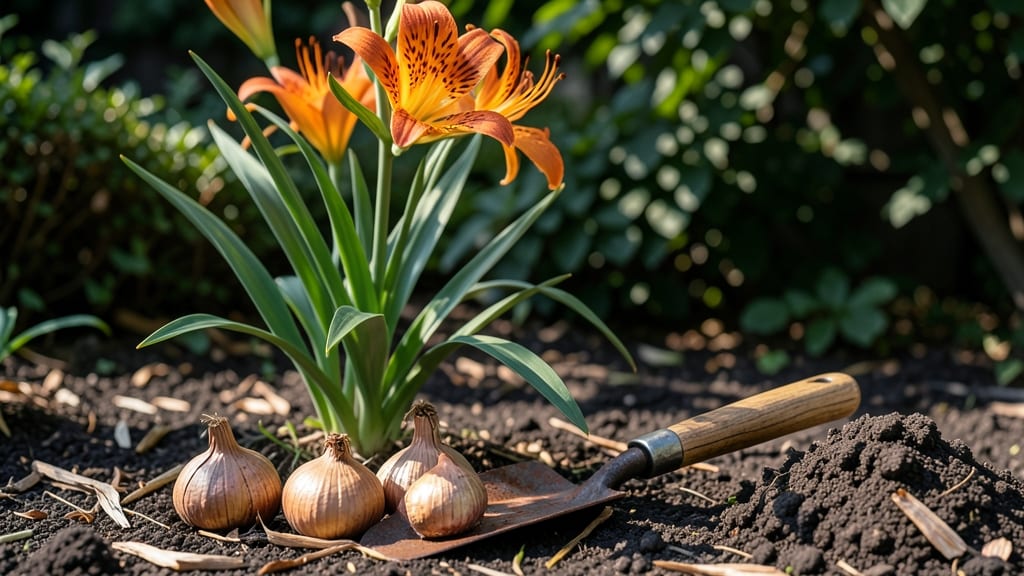
Planting tiger lily bulbs unlocks bold, fiery blooms that transform any garden into a summer showstopper—if you nail the chill period they demand. 🌸 I’ve planted these dramatic flowers for years, and the secret to their 12-week transformation from bulb to bloom lies in timing, soil prep, and a little patience (they’re not as forgiving as daylilies).
The ideal window opens in late September to early October when soil temps drop below 60°F—this chill period mimics their natural dormancy cycle.
Dig 6 inches deep in loose, well-draining soil (amend heavy clay with compost), and space bulbs 12-18 inches apart to give those sword-like leaves room to flex. Overcrowding leads to floppy stems and fewer blooms.
By mid-summer, you’ll be rewarded with 3-4 foot stalks crowned by 6-inch blooms in fiery orange, black, or gold. The scent? Sweet and heady enough to draw hummingbirds. Just avoid the rookie mistake of planting too early—they’ll rot before winter.
Works in zones 3-9, though southern gardeners may need shade in peak afternoon heat. Here’s how to set them up for success without the guesswork.
📚 In This Guide
- What you need
- Instructions
- Tips and common mistakes
- Wrapping up and next steps
What you need
- ● Tiger lily bulbs: 3–5 bulbs (choose Lilium lancifolium or Lilium tigrinum for classic stripes). Opt for organic, disease-free bulbs (size: 2–3 inches in diameter).
- ● Well-draining potting mix: 2–3 cubic feet (blend 50% garden soil, 30% compost, and 20% perlite/sand for aeration).
- ● Planting container or garden bed: Containers: 12–15" deep pots (one bulb per 6" of diameter) with drainage holes.
- ● Garden beds: Full sun (6+ hours/day) with loose, fertile soil (pH 6.0–7.0).
- ● Bulb fertilizer: 1 tbsp 5-10-10 balanced fertilizer (or bone meal for phosphorus).
- ● Mulch: 2–3 inches of straw or shredded leaves (to retain moisture and insulate roots).
- ● Garden trowel or bulb planter (for digging holes 6–8" deep).
- ● Watering can or hose (with a gentle spray nozzle).
- ○ Gloves (optional but recommended—lily sap can irritate skin!).
- ● Chilling period: Cold stratification (4–6 weeks at 35–45°F in a fridge or unheated garage).
- ● Slow-release fertilizer pellets (mix into soil for 3–4 months of nutrients).
- ● Cactus/succulent soil mix (if your area has heavy clay soil).
- ● Plant supports (bamboo stakes or rings for tall stems).
- ● Lily-specific fungicide (prevents botrytis blight in humid climates).
Step-by-step guide to planting tiger lily bulbs
Here's how to get vibrant blooms in just three months—no guesswork, just proven timing.
🌱 Step 1: Choose the Perfect Planting Spot
Tiger lilies thrive in full sun—at least 6-8 hours of direct sunlight daily. I always scout the location first, checking for afternoon shade that might limit blooms. The soil should drain well; these bulbs rot quickly if soggy. If your yard has heavy clay, amend with 3-4 inches of compost mixed into the top 12 inches of soil.
Dig a test hole to check drainage: Fill it with water and wait. If it drains within 30 minutes, the spot’s perfect. If water lingers, raise the bed or plant in a contained mound instead. Tiger lilies also need space—12-24 inches apart for mature plants to prevent overcrowding and fungal spread.
🪴 Step 2: Plant Bulbs at the Right Depth and Time
Timing matters: Plant tiger lily bulbs in early fall, 6-8 weeks before your first hard frost. This gives them time to root before winter dormancy. Dig holes 6 inches deep—about 3 times the bulb’s height. Place the bulb pointy side up (the roots will naturally face downward).
Space bulbs 12-18 inches apart for single blooms or 24 inches apart for dramatic clusters. Gently backfill with soil, tamping lightly to remove air pockets. Water deeply after planting to settle the soil and encourage root growth. Mulch with 2-3 inches of shredded bark or leaves to insulate roots through winter.
☀️ Step 3: Support and Fertilize for Maximum Blooms
Tiger lilies grow 3-5 feet tall, so install sturdy stakes (6 feet long) at planting time. Tie stems loosely with soft twine as they grow to prevent snapping in wind or rain. These plants are heavy feeders—apply a balanced 10-10-10 fertilizer at half-strength in early spring when shoots emerge.
Water 1 inch per week during the growing season, keeping soil consistently moist but never waterlogged. You’ll know you’re on track when foliage appears in late spring, followed by buds forming in early summer. Deadhead spent blooms to redirect energy into next year’s growth, but leave the seed pods if you want volunteer lilies popping up naturally.
⏰ Step 4: Winter Care and Next Year’s Growth
After the first frost, reduce watering but don’t let the soil dry out completely. Tiger lilies need chill hours (below 40°F for 6-8 weeks) to bloom reliably. In mild winters, cover bulbs with 4-6 inches of straw mulch to simulate dormancy. In zones 7-9, dig up bulbs after foliage yellows and store them in a cool, dry place until fall replanting.
Come spring, watch for shoots breaking through the soil—this is your cue to remove winter mulch. Apply a low-nitrogen fertilizer (5-10-10) when buds form to encourage strong stems. By mid-summer, you’ll have bold, striped blooms that attract hummingbirds and deer alike. Repeat the process each fall for years of drama.
Tips & tricks for perfect tiger lily planting
These small details make all the difference between blooms that dazzle and plants that disappoint.
Sunlight Strategy: The 6-8 hours of daily sun isn't just about quantity—it's about quality. Morning sun is ideal because afternoon sun can scorch delicate foliage. If your yard has afternoon shade, position bulbs to catch the morning rays first. I've seen tiger lilies in partial shade still bloom, but the flowers will be smaller and less vibrant. For maximum impact, choose the sunniest spot you can find, even if it means moving them from a partially shaded area.
Drainage Test: That 30-minute drainage test is your secret weapon against bulb rot. If water lingers longer than 30 minutes, you're risking soggy conditions that bulbs hate. For problem areas, create raised beds using landscape fabric and soil—this mimics the natural mound where tiger lilies grow in the wild. I've had to dig up and replant bulbs that were too deep in heavy clay, so don't skip this crucial test. The extra 10 minutes it takes is worth saving your investment.
Frost Timing: The 6-8 week window before frost is non-negotiable for northern climates. In zone 5, I plant by mid-September, while in zone 8, I wait until November. Check your local frost dates and count backward—this gives roots time to establish before winter. For southern gardeners in zones 7-9, you can plant as late as December, but still aim for that 6-week buffer. The key is giving bulbs time to root before temperatures drop below 40°F consistently.
Mulch Matters: That 2-3 inches of mulch isn't just decoration—it's insulation. In cold winters, I double the mulch to 4-6 inches, especially in zone 4 where temperatures can plummet. Use shredded bark or leaves that will break down slowly. Avoid thick layers of fresh grass clippings, which can mat down and prevent water penetration. The mulch should feel like a cozy blanket for your bulbs, protecting them while still allowing moisture to reach the soil below.
Pro Tips for Plant Tiger Lily Bulbs
- These small details make all the difference between blooms that dazzle and plants that disappoint.
- Sunlight Strategy: The 6-8 hours of daily sun isn't just about quantity—it's about quality.
- Drainage Test: That 30-minute drainage test is your secret weapon against bulb rot.
Frequently asked questions
Got questions about planting tiger lily bulbs? You’re not alone! Here are answers to the most common concerns—from timing to troubleshooting—so you can grow these stunning blooms with confidence.
When is the best time to plant tiger lily bulbs?
Plant them in early fall (6–8 weeks before the first frost) for spring blooms. In warmer climates (zones 8–10), plant in late fall or winter. Bulbs need a cold period to trigger growth—think of it as their "winter nap"!
How deep should I plant tiger lily bulbs?
Dig a hole 6–8 inches deep (about 3x the bulb’s height) and space bulbs 12–18 inches apart. Loosen the soil—tiger lilies love well-draining dirt. Add a handful of compost for extra nutrients!
Can I plant tiger lily bulbs in containers?
Yes! Use a large pot (at least 12 inches deep) with drainage holes. Plant 2–3 bulbs per container and place them in full sun. Containers dry out faster, so water regularly. Just avoid overcrowding—they’ll compete for space!
Why aren’t my tiger lily bulbs sprouting?
Common culprits: not enough chill time, poor drainage, or planting too deep. Try stratifying (mimicking winter) by refrigerating bulbs for 8–10 weeks before planting. If soil stays soggy, amend it with sand or perlite. Patience pays off—sprouts may take 2–4 weeks to appear!
Are tiger lilies toxic to pets?
Yes! All parts of the plant—bulbs, leaves, and flowers—contain calcium oxalate crystals, which can cause mouth irritation, drooling, or vomiting if ingested. Keep them out of reach of cats, dogs, and curious kiddos. Opt for pet-safe alternatives like daylilies or cannas if needed.
Wrapping up and next steps
Growing plant tiger lily bulbs is a rewarding journey that brings bold, exotic blooms to your garden with minimal fuss! 🌸 Just remember: patience is key—those stunning flowers will emerge in just 12 weeks after a good chilling period.
Whether you’re a seasoned gardener or a beginner, these hardy bulbs make it easy to add drama to your outdoor space.
Ready to dive in? Start by gathering your supplies and follow the steps above—soon, you’ll be enjoying a garden bursting with tiger lilies! 🌱 Happy planting!