
Orchid Care
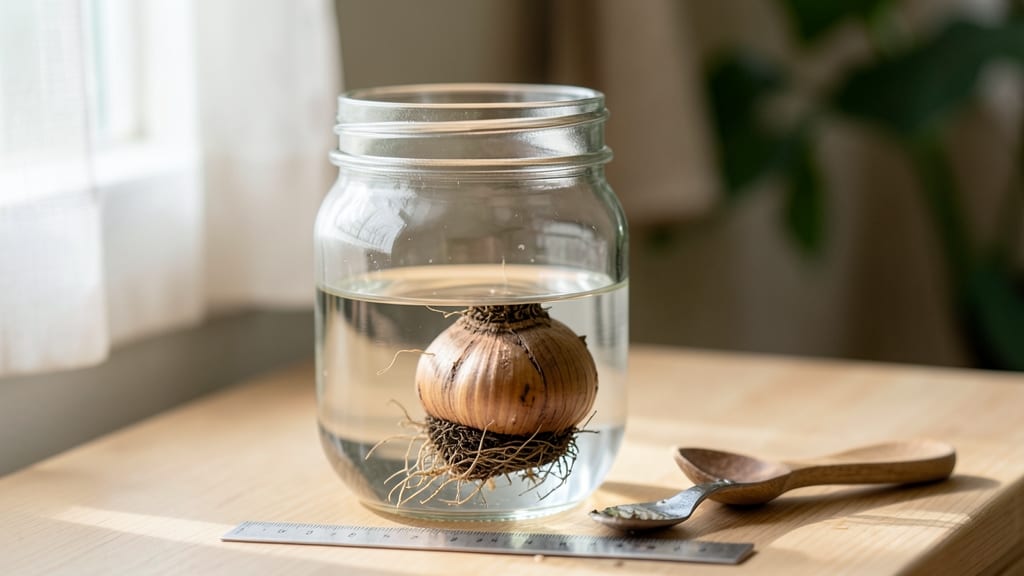
Skip the dirt and watch tulips bloom indoors in weeks—no garden required. 🌷 Planting tulip bulbs in water is the fastest way to see vibrant blooms on your kitchen counter, and it works even if you've killed every plant you've ever owned.
The secret lies in a simple glass container, fresh water, and a sunny windowsill.
You only need three things: a clear glass vase (at least 6 inches tall), a single tulip bulb (preferably a forced variety like 'Apeldoorn' or 'Darwin Hybrid'), and cool tap water.
No soil, no digging, just pure, predictable blooms. The bulb will send up roots within 10-14 days, followed by a stem that reaches for the light.
By the time you're changing the water every 3-4 days, you'll see buds forming. These aren't weak, leggy stems—they're sturdy enough to hold blooms that last 5-7 days in a vase. The tradeoff? You won't get next year's flowers, but that's the price for indoor magic this fast.
Perfect for small spaces, late winter slumps, or anyone who wants blooms without the mess. Here's exactly how to make it work—no green thumb required.
📚 In This Guide
- What you need
- Instructions
- Tips and common mistakes
- Wrapping up and next steps
What you need
- ● Tulip bulbs: 3–5 medium-sized, healthy bulbs (choose varieties like Parrot, Darwin Hybrid, or Fringed for best results). Look for firm, dry bulbs with no mold or soft spots.
- ● Clear glass container: A jar, vase, or bowl with a wide mouth (at least 3–4 inches in diameter) and a height of 6–8 inches to accommodate bulb growth.
- ● Room-temperature water: Tap water is fine, but avoid distilled or softened water (it lacks minerals). Let it sit out for 24 hours to release chlorine if needed.
- ● Pebbles or decorative stones: 3–4 inches of small, smooth pebbles (like river rocks or marbles) to stabilize the bulbs and prevent rot.
- ○ Scissors or pruning shears: For trimming stems/leaves to the right length (optional but helpful).
- ○ Newspaper or paper towels: To line the container’s base and absorb excess moisture (optional).
- ○ Waterproof marker: To label your tulip variety (optional but fun!).
- ○ Grow lights (optional): If your space lacks natural light, a 12–14 hour LED grow light can boost blooming.
- ● A bright spot near a window (south- or west-facing is ideal) with 6+ hours of indirect sunlight daily.
- ● Patience! Tulips in water typically bloom in 4–8 weeks, depending on the variety and light.
- ● No direct heat sources (like radiators or vents) near your container.
Step-by-step instructions for growing tulips in water
Here's how to coax vibrant tulips indoors with no soil or digging—just water and patience.
🪴 Step 1: Choose and Prepare Your Containers
Use a shallow, wide-mouthed container like a glass jar, vase, or even a repurposed bowl—just make sure it's at least 3-4 inches deep. I like clear glass so I can watch the roots grow, but opaque works too. Clean the container thoroughly with warm, soapy water to prevent mold.
Place 3-4 pebbles (like small river rocks) in the bottom to create a stable base for the bulbs. The pebbles keep the bulbs elevated and prevent them from sitting directly in water, which can rot them. Cover the pebbles with just enough water to reach about 1 inch deep—this is all the moisture your bulbs need.
🌱 Step 2: Select and Position the Bulbs
Pick firm, plump tulip bulbs—avoid any that feel soft or shriveled. A single bulb will give you 1-2 stems, so plan accordingly. Gently place the bulbs on top of the pebbles, spacing them 1-2 inches apart. The pointed end (the "nose") should face upward—this is where the stem will emerge.
Don’t bury the bulbs! Just let them rest on the pebbles. The base of the bulb should stay dry while the roots grow downward into the water. If you’re using a clear container, you’ll see roots appear in 5-7 days—that’s your first sign of success.
💧 Step 3: Add Water and Monitor Levels
Fill the container with enough water to cover half the bulb’s height—about 1-2 inches deep. Use room-temperature water (cold water can shock the bulb). Change the water every 3-4 days to keep it fresh and prevent bacteria buildup. Stagnant water smells foul and can rot the roots.
Place the container in a spot with bright, indirect light—like a sunny windowsill (east or west-facing is ideal). Direct sunlight can overheat the water and scorch the leaves. You’ll see the first green shoots in 1-2 weeks, and within 4-6 weeks, you’ll have blooms indoors without any digging.
✂️ Step 4: Care for Blooming Tulips
Once the tulips bloom, enjoy them! But here’s the thing—after blooming, the leaves will yellow and die back. Don’t remove them yet. The leaves feed the bulb, storing energy for next year. Let them stay until they turn brown and crispy, then you can trim them back.
If you want to try replanting the bulbs outdoors later, wait until the leaves are fully dead. Otherwise, treat them as a one-time indoor display. For a second round of blooms, repeat the process with fresh bulbs—these won’t rebloom in water.
🌿 Step 5: Extend the Display (Optional)
To keep your tulips looking fresh longer, trim the stems at an angle just above a leaf node. This encourages water uptake and slows wilting. Avoid cutting the leaves—they’re the bulb’s lifeline. If the water gets cloudy between changes, add a drop of hydrogen peroxide (3%) to keep it clean.
This method is foolproof for quick, dramatic indoor blooms, but remember: tulips in water are a one-season wonder. Save the bulbs for outdoor planting if you want them to return year after year. Either way, you’ll have stunning spring color without lifting a shovel.
Tips & tricks for perfect indoor tulip blooms
These little details make all the difference between wilting disappointment and showstopping spring color.
Container Selection: Clear glass isn't just for show—it lets you monitor root growth without disturbing the bulbs. If using opaque containers, mark the water level with a marker so you can maintain that crucial 1-inch depth. I've used everything from vintage teacups to repurposed mason jars, but avoid metal containers as they can conduct heat unevenly.
Bulb Inspection: Before planting, give your tulip bulbs a quick sniff test. They should smell fresh, not musty. Gently squeeze—firm bulbs with tight skins will perform best. Avoid any with soft spots, mold, or dried-out bases, as these won't regrow properly. Think of it like choosing produce at the grocery store: you want the freshest, firmest options.
Lighting Strategy: That "bright, indirect light" is key—south-facing windows get too intense, while north-facing windows may be too dim. I've found east or west windows work best, or you can supplement with a simple grow light 6-8 inches above the container for 12 hours daily. The goal is to mimic natural spring conditions without scorching the delicate leaves.
Water Maintenance: The 3-4 day water change schedule is non-negotiable for preventing bacterial growth, but don't overdo it—sudden water level changes can stress the roots. When refreshing, pour the new water gently along the container's edge rather than pouring directly over the bulbs. This prevents disturbing the fragile root system that's working hard to support those beautiful blooms.
Pro Tips for Planting Tulip Bulbs In Water
- These little details make all the difference between wilting disappointment and showstopping spring color.
- Container Selection: Clear glass isn't just for show—it lets you monitor root growth without disturbing the bulbs.
- Bulb Inspection: Before planting, give your tulip bulbs a quick sniff test.
Frequently asked questions
Got questions about growing tulips in water? You’re not alone—this method is simple but has a few quirks! Here are answers to the most common queries to help you bloom like a pro.
Can I reuse water when growing tulips in water?
Yes, but with a twist! Change the water every 2–3 days to prevent bacterial growth and keep it fresh. Stale water can cause bulbs to rot or flowers to wilt faster. Use room-temperature water to avoid shocking the roots.
How long does it take for tulips to bloom in water?
Patience pays off! With the right setup, most tulip bulbs sprout in 1–2 weeks and bloom in 3–6 weeks. Smaller bulbs may take slightly longer, while larger ones (like Darwin hybrids) often bloom faster. Keep them in a bright, sunny spot to speed things up.
Do I need to add fertilizer or special water to my tulips?
Pure water is all you need—no fertilizer required! Tulip bulbs store nutrients naturally. However, if you want to boost growth, add a pinch of sugar (1 tsp per quart) or a dash of hydrogen peroxide (1 tbsp per quart) to keep the water clean and oxygenated. Avoid chemical fertilizers.
What do I do if my tulip bulb starts to rot?
Don’t panic! Rot usually means the water’s too dirty or stagnant. Immediately drain and refresh the water, trim any mushy roots with sterilized scissors, and place the bulb in a clean container with fresh water. If the bulb is severely damaged, it may not recover—but healthy bulbs often bounce back!
Can I grow tulips in water indoors year-round?
Not indefinitely! Tulips in water are a temporary display—once they bloom, their energy is spent. After flowering, you can plant them in soil to grow again next year or enjoy their foliage as a decorative piece before composting. For repeat blooms, try forcing a new bulb each season.
What’s the best container for water-grown tulips?
Any clean, clear container works—glass vases, jars, or even repurposed bottles! Just ensure it’s wide enough for the bulb to sit half-submerged and tall enough for roots to grow. Avoid metal containers (they can leach chemicals) and opt for something easy to clean between uses.
Wrapping up and next steps
Planting tulip bulbs in water is a simple, rewarding way to bring early spring blooms indoors without soil or digging! 🌱 With just a few bulbs, clear water, and patience, you’ll enjoy vibrant flowers in weeks—perfect for brightening up your space.
Whether you’re a gardening newbie or a seasoned plant lover, this method is easy, low-maintenance, and magical to watch.
Now that you’re ready to grow, why not expand your indoor garden? Try experimenting with other bulb varieties like daffodils or hyacinths, or even mix in a few orchids for a tropical twist. Happy planting—your future blooms are waiting! 🌸