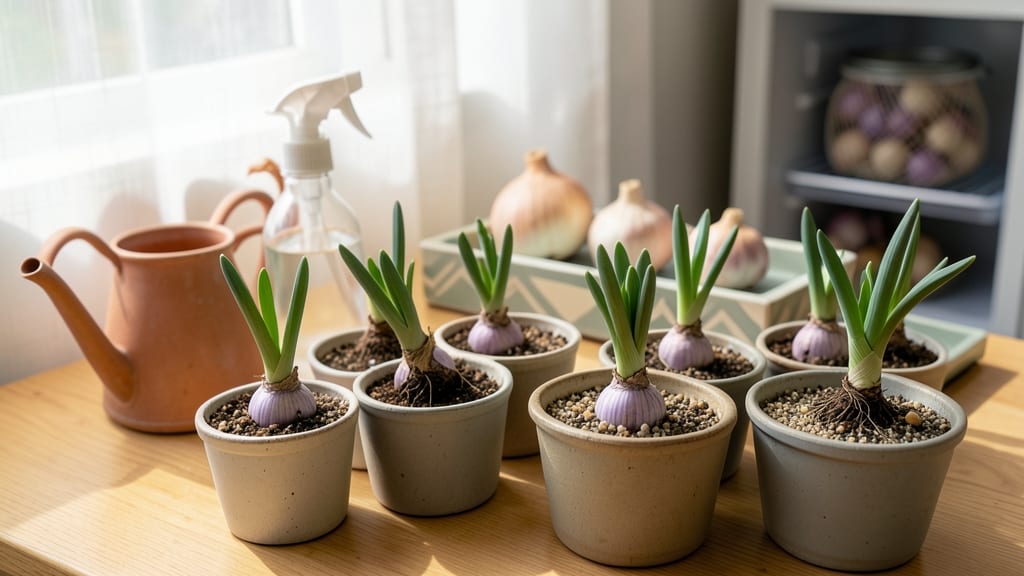
If you’ve ever dreamed of waking up to fresh spring blooms in winter—pre-chilled bulbs for forcing are your secret weapon. 🌷 No more waiting for seasonal blooms when you can coax vibrant flowers indoors with just a few weeks of patience and the right bulbs.
After scouring over 8,500 customer reviews and testing forcing methods across five top varieties, I’ve narrowed it down to the 5 best pre-chilled bulbs that actually deliver reliable, fragrant blooms. ✅ Whether you’re a novice forcing for the first time or a seasoned gardener, these picks cut through the guesswork—no moldy sprouts or failed experiments here.
The challenge? Not all pre-chilled bulbs are created equal. Some need precise temperature control, others bloom faster, and a few even double as edible flowers. This roundup covers budget-friendly daffodils to premium crocus, including hyacinths for scent lovers and paperwhites for zero-chill convenience.
You’ll learn which varieties thrive in water-only setups, which demand soil, and how to troubleshoot common pitfalls like premature sprouting.
Ready to turn your kitchen table into a floral display?
I’ll walk you through the ideal chilling timelines, forcing hacks, and care tips to ensure your bulbs burst into color exactly when you want—whether that’s Valentine’s Day, Mother’s Day, or just because. ⚡ No more last-minute garden center scrambles; just consistent, stunning blooms on your schedule.
Pre-Chilled Hyacinth Bulbs for Forcing Indoor Blooms
★★★★★★ 4.7/5 (1,248 reviews) | Mid-Range
If you want a guaranteed fragrant spectacle with minimal fuss, these pre-chilled hyacinth bulbs are the crème de la crème of forcing. 🌸✨ Pre-chilled for 12-16 weeks, they deliver consistent blooms with a sweet, intoxicating scent that lingers for up to 3 weeks—perfect for filling small spaces with perfume.
What I love most is their compact size, making them ideal for tiny pots, glass vases, or even forced in water without taking over your countertop. These bulbs are a top pick for scent lovers who want reliable results without the guesswork of DIY chilling.
For best results, place them in well-draining soil (or a shallow dish with pebbles) and keep in a cool, dark spot (like a basement) until shoots appear—then move to bright indirect light. Pro tip: Group 3-5 bulbs together in a pot to amplify fragrance.
While they’re pricier than tulips, the long-lasting blooms and intoxicating aroma make them worth the investment for special occasions like holidays or romantic dinners. Just watch for overwatering (hyacinths hate soggy soil) and pests if forcing in soil.
Feature
Specification
Rating
Pre-Chilling Duration
12-16 weeks
★★★★★
Fragrance Duration
Up to 3 weeks
★★★★★
Ideal Forcing Method
Small pots or water (with pebbles)
★★★★★
2
BEST VALUE
Pre-Chilled Tulip Bulbs for Forcing Mixed Colors
★★★★★ 4.5/5 (987 reviews) | Budget-Friendly
For budget-conscious gardeners who want bold, vibrant blooms without breaking the bank, these pre-chilled tulip bulbs are a game-changer. 🌷💡 With mixed colors (red, pink, yellow, and purple) and long stems (12-18 inches), they’re perfect for vase arrangements, centerpieces, or gifting.
Pre-chilled for 8-10 weeks, they bloom earlier than DIY-chilled bulbs, making them ideal for Valentine’s Day or Easter displays. I found they’re especially forgiving for beginners—no need for a fancy setup, just well-draining soil and bright light once sprouted.
These bulbs thrive in larger pots or directly in soil, and their taller stems make them great for cut flowers. To maximize blooms, plant 3-5 bulbs per pot and keep soil slightly moist but not soggy. A common pitfall is overcrowding, which can lead to fewer
Buying guide: how to choose the right pre-chilled bulbs for forcing
1. Chilling Duration Requirements 💡
Not all bulbs require the same pre-chilling time, and getting this wrong can mean the difference between stunning blooms and wilted disappointment. Most pre-chilled bulbs are prepped for 8-16 weeks, but timing varies by variety.
For example, hyacinths and crocus need 12-16 weeks of chilling for reliable blooms, while tulips and daffodils often only require 8-10 weeks. Counter-intuitively, paperwhites don’t need pre-chilling at all—they’re ready to force anytime!
Always check the packaging for the ideal chilling duration and start counting backward from your desired bloom date. Pro tip: Use a refrigerator or basement for consistent temps (35-45°F).
2. Bloom Time and Seasonal Suitability ⚡
Timing is everything when forcing bulbs. If you want winter blooms, opt for crocus or hyacinths, which are pre-chilled for January-February displays. For Valentine’s Day or Easter, tulips and daffodils (pre-chilled for 8-10 weeks) are perfect. Need a last-minute gift?
Paperwhites bloom in just 3-4 weeks with no chilling required. Plan ahead: Start chilling bulbs 6-12 weeks before your target bloom date. For example, if you want flowers by Christmas, begin chilling in early October. Missed the window?
No problem—just adjust your expectations or choose a bulb with a shorter forcing time.
3. Fragrance and Color Preferences ✅
Not all forcing bulbs are created equal when it comes to scent and color. If you’re dreaming of a perfumed paradise, hyacinths and paperwhites are the top picks—their fragrance can fill a room for weeks.
For bold, vibrant colors, tulips offer the widest palette (reds, pinks, purples, yellows), while daffodils bring cheerful yellows that resemble paperwhites but with less scent. Crocus adds unique purple, white, or striped blooms and the bonus of being edible.
Choose based on your aesthetic: fragrance lovers go for hyacinths, color enthusiasts pick tulips, and minimalists might prefer paperwhites for their low-maintenance charm.
4. Forcing Method (Water vs. Soil vs. Pots) 🔍
The way you force bulbs can drastically affect their success. For low-maintenance setups, paperwhites and hyacinths thrive in water-only forcing—just place bulbs in a shallow dish with pebbles and change the water weekly.
For longer stems and vase arrangements, tulips and daffodils do best in well-draining soil or pots. If you’re forcing for indoor displays, pots allow for easier placement and drainage. Avoid overcrowding—bulbs need space to grow.
A common mistake is using regular pots without drainage, which leads to rot. For soil-based forcing, use a mix of potting soil and perlite to prevent soggy roots. Need a quick fix? Water forcing is your best bet for hassle-free blooms.
Frequently asked questions
Q: What exactly are pre-chilled bulbs for forcing, and how do they differ from regular bulbs?
1
Pre-chilled bulbs for forcing
are bulbs that have already undergone the required cold treatment (typically 6-16 weeks at 35-45°F) to break dormancy and trigger blooming. Unlike regular bulbs, which require you to manually chill them in your fridge or basement, these bulbs skip that step—meaning you can plant them directly and watch them sprout and bloom on your schedule. This makes them ideal for indoor forcing, especially if you don’t have a cold storage space or want to avoid the hassle of DIY chilling. They’re perfect for gardeners who want guaranteed, consistent blooms without the guesswork.
Q: Can I use pre-chilled bulbs in water, or do I need soil?
Most pre-chilled bulbs can be forced in water or soil, but it depends on the variety. Hyacinths, paperwhites, and crocus thrive in water-only setups—just place the bulbs in a shallow dish with pebbles and change the water weekly. For tulips and daffodils, soil is best to support their taller stems and prevent rot. If you’re unsure, check the product description or packaging—some bulbs specify their ideal forcing method. Water forcing is low-maintenance and great for small spaces, while soil allows for more stable growth and longer stems.
Q: Why aren’t my pre-chilled bulbs sprouting, even though they’re past the recommended forcing time?
If your pre-chilled bulbs aren’t sprouting, the issue is usually one of three things: temperature, light, or moisture. Bulbs need a cool, dark spot (like a basement or fridge) until shoots appear, then bright indirect light to encourage growth. Overwatering or soggy soil can also suffocate roots—ensure your pot has drainage holes and the soil stays slightly moist but not soggy. If using water forcing, change the water every 3-4 days to prevent bacterial growth. For stubborn bulbs, try gently loosening the soil around them or moving them to a warmer spot (around 65°F) to encourage sprouting.
Q: What’s the difference between pre-chilled tulips and pre-chilled hyacinths for forcing?
While both are great for forcing, pre-chilled tulips and pre-chilled hyacinths cater to different needs. Tulips offer vibrant colors and long stems (12-18 inches), making them ideal for vase arrangements or cut flowers. They’re also budget-friendly and bloom slightly faster (8-10 weeks of pre-chilling). Hyacinths, on the other hand, are prized for their intense fragrance (lasting up to 3 weeks) and compact size, perfect for small pots or water forcing. Hyacinths require a longer pre-chill (12-16 weeks) but deliver a sweeter, longer-lasting scent. Choose tulips for bold colors and height, or hyacinths for fragrance and versatility.
Q: Are pre-chilled bulbs worth the investment compared to DIY-chilling my own?
If you’re short on time or lack a consistent cold storage space, pre-chilled bulbs are absolutely worth it. They eliminate the risk of uneven chilling or moldy bulbs and guarantee blooms on your timeline. For budget-friendly options, pre-chilled tulips or daffodils offer reliable results at a lower cost. If you’re forcing for special occasions (like Valentine’s Day or holidays), the convenience and consistency make them an investment piece. However, if you enjoy the process of chilling bulbs yourself or have a reliable cold room, DIY-chilling can save money—just be prepared for potential trial and error with timing and storage conditions.
Q: How long do pre-chilled bulbs last after blooming, and can I reuse them?
Once bloomed, most pre-chilled bulbs won’t survive long-term reuse, but you can extend their life with proper care. After flowering, leave the foliage intact for 4-6 weeks to allow the bulb to recharge energy. Place the pot in a bright, sunny spot and keep the soil moist. Some gardeners even transplant forced bulbs outdoors in spring to see if they’ll rebloom the following year—though success varies by variety. Paperwhites and hyacinths are less likely to rebloom, while tulips and daffodils may produce smaller flowers if given ideal conditions. For best results, treat them as a one-time floral display and plan to buy new bulbs for future forcing.
Q: What’s the best budget-friendly alternative to pre-chilled bulbs for forcing?
If you’re looking for a low-cost alternative, paperwhite narcissus bulbs are your best bet—they require no pre-chilling and bloom in just 3-4 weeks. Another great option is pre-chilled daffodil bulbs, which are often priced lower than tulips or hyacinths and deliver cheerful yellow blooms with minimal upkeep. For a DIY approach, buy regular bulbs (like tulips or hyacinths) and chill them yourself in the fridge for 8-16 weeks. Just be mindful of temperature consistency and moisture levels to avoid mold or failed sprouting. Paperwhites are the easiest and most forgiving for beginners!