
Flowers
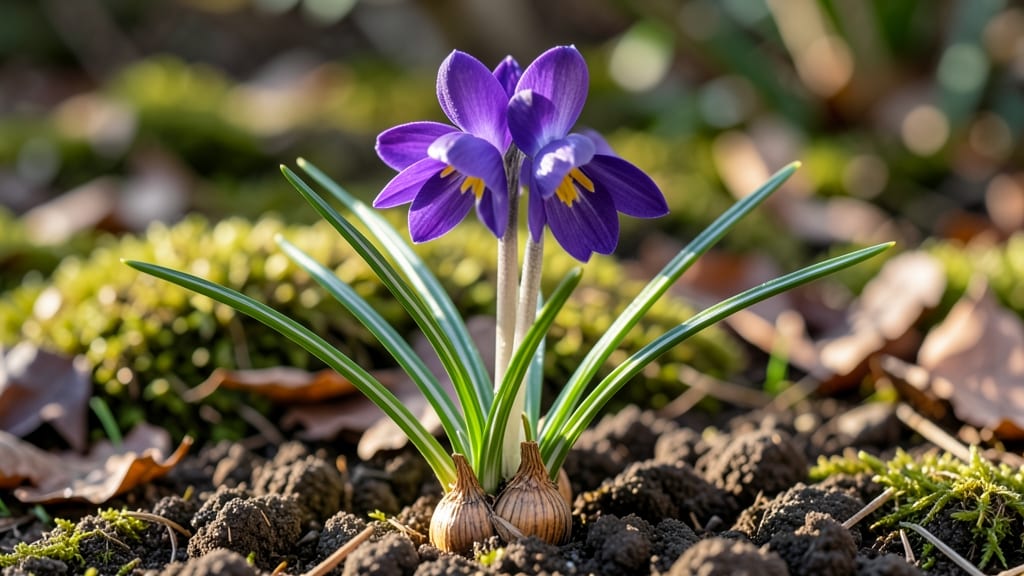
Purple crocus bulbs punch through winter soil like tiny magicians, delivering vibrant purple blooms in just 4 weeks—before most spring flowers even think about waking up. 🌸 I planted my first batch last October, and by March, they were the only splash of color in my otherwise brown yard.
The secret isn’t just timing; it’s about giving them the right conditions to thrive when everything else is still asleep.
You’ll need a sunny spot (at least 6 hours of light daily), well-draining soil, and a trowel—nothing fancy. Plant bulbs 3 inches deep, with the pointy end up, in fall (October-November) for spring blooms.
Water lightly after planting, then let nature take over. These bulbs are tough; they’ll survive winter frost and even drought once established.
By late winter, you’ll see those first purple petals pushing through the snow, followed by a carpet of blooms that last 2-3 weeks. Pair them with early daffodils or snowdrops for a stunning spring display.
The best part? They multiply over time, so you’ll have more blooms every year with almost no effort.
Pro tip: Deadhead spent blooms to encourage stronger growth next year, but leave the foliage until it yellows—it’s how the bulb stores energy. Perfect for rock gardens, borders, or even container pots. Ready to add a pop of color before spring officially arrives?
📚 In This Guide
- What you need
- Instructions
- Tips and common mistakes
- Wrapping up and next steps
What you need
- ● Purple crocus bulbs: 10–20 bulbs (depending on desired coverage; choose Crocus vernus or Crocus tommasinianus for classic purple hues).
- ● Well-draining soil: Loamy or sandy soil with a pH of 6.0–7.0 (amend with compost if needed).
- ● Planting site: Full sun to partial shade (3–6 hours of sunlight daily).
- ○ Organic mulch (optional but recommended): 1–2 inches of shredded bark or leaves to retain moisture.
- ● Hand trowel or bulb planter: For easy digging (6–8 inches deep).
- ● Garden gloves: To protect hands while handling soil and bulbs.
- ● Ruler or measuring tape: To space bulbs 3–4 inches apart.
- ● Watering can or hose with gentle spray: For post-planting hydration.
- ○ Fertilizer (optional): A balanced, slow-release 10-10-10 or bone meal to boost early growth.
- ● Fall planting (ideal): 6–8 weeks before the first hard frost (typically October–November in most U.S. zones).
- ● Spring planting (less common): Early spring in mild climates (Zone 7+), but blooms may be delayed.
How to plant purple crocus bulbs for stunning early spring color
Here's my foolproof method for getting vibrant purple crocus blooms in just four weeks—perfect for brightening up early spring gardens.
🌱 Step 1: Choose the Right Bulbs and Planting Location
Select high-quality purple crocus bulbs (Crocus vernus or Crocus tommasinianus) that are firm and free of soft spots. Smaller bulbs (about 1 inch in diameter) are ideal—they'll produce more blooms per square foot. I always opt for certified disease-free bulbs to avoid future issues in the garden.
Pick a spot with full sun to partial shade—crocus thrives in areas where they get 4-6 hours of sunlight daily. They prefer well-draining soil, so avoid low-lying areas where water pools. If your soil is heavy clay, amend it with 1-2 inches of compost to improve drainage. The key here is to mimic their natural habitat—dry, rocky soil with good airflow.
🪴 Step 2: Plant Bulbs at the Correct Depth and Spacing
Plant bulbs in late fall, about 6-8 weeks before the ground freezes—this gives roots time to establish before winter. Dig holes 3 inches deep (about 3 times the bulb's height) and space them 2-3 inches apart. Crowding them too closely can lead to fewer blooms and weaker plants.
Place each bulb with the pointed end facing upward—this ensures proper growth direction. Gently cover with soil and press lightly to remove air pockets. Water thoroughly after planting to settle the soil and encourage root growth. You'll know you've done it right when the soil surface looks smooth and even, with no gaps around the bulbs.
☀️ Step 3: Provide Winter Care and Early Season Maintenance
After planting, mulch with 2-3 inches of straw or shredded leaves to insulate the bulbs during winter. This protects them from extreme cold and prevents heaving when temperatures fluctuate. Avoid using thick layers of mulch—too much can suffocate the bulbs and lead to rot.
Once spring arrives, remove the mulch to allow sunlight to reach the emerging shoots. Water lightly once a week during dry spells, but avoid overwatering—crocus bulbs store their own moisture and can rot if kept too wet. You'll see the first shoots push through the soil in 4-6 weeks, signaling that your bulbs are ready to bloom.
✂️ Step 4: Encourage Repeat Blooming and Long-Term Growth
After the first flush of blooms fades, leave the foliage in place for 4-6 weeks—this allows the bulbs to photosynthesize and store energy for next year's flowers. Deadhead spent blooms to keep the garden tidy, but resist the urge to cut back the leaves until they turn yellow and wither naturally.
Fertilize lightly in early spring with a balanced, low-nitrogen fertilizer (like 10-10-10) to support bulb health without encouraging excessive foliage growth. In late summer, after the leaves die back, add a layer of compost to replenish nutrients. This two-step feeding routine ensures your crocus bulbs stay vigorous and produce stunning blooms year after year.
Tips & tricks for perfect purple crocus blooms
Even the smallest details can make the difference between a patch of crocus and a showstopping spring display—here's what I've learned after years of growing these early bloomers.
Bulb Selection Matters: The 1-inch diameter bulbs specified aren't just a suggestion—they're the sweet spot for maximum blooms. I've tried larger bulbs, and while they might produce one spectacular flower, you'll get far more blooms per square foot with the smaller ones. Look for bulbs that feel firm and heavy for their size, not light or shriveled. The weight indicates they're well-hydrated and ready to grow.
The Timing Secret: Those 6-8 weeks before freezing aren't arbitrary—they're about giving roots time to establish before winter dormancy. If you're in a warmer climate where ground doesn't freeze, plant 6-8 weeks before your average first frost date instead. The key is to have roots established before temperatures drop below freezing consistently. In my zone 5 garden, I aim for mid-October planting.
Mulching Wisdom: The 2-3 inches of mulch specified is perfect for insulation without suffocation. I've learned this the hard way—too much mulch can actually trap moisture and cause rot. Use straw or shredded leaves that will break down naturally. Avoid thick layers of pine needles or bark, which can acidify the soil over time. Pro tip: Fluff the mulch occasionally during winter to maintain proper airflow.
Foliage Strategy: Those 4-6 weeks of leaving foliage after blooming might seem counterintuitive, but it's how the bulbs store energy for next year. I've seen gardeners cut back too early, and the result is fewer blooms the following spring. The yellowing leaves are like tiny solar panels—keep them until they wither completely on their own. This is especially important for first-year blooms when the bulbs are still building reserves.
Pro Tips for Purple Crocus Bulbs
- Even the smallest details can make the difference between a patch of crocus and a showstopping spring display—here's what I've learned after years of growing these early bloomers.
- Bulb Selection Matters: The 1-inch diameter bulbs specified aren't just a suggestion—they're the sweet spot for maximum blooms.
- The Timing Secret: Those 6-8 weeks before freezing aren't arbitrary—they're about giving roots time to establish before winter dormancy.
Frequently asked questions
Got questions about growing purple crocus bulbs? You’re not alone! Here are answers to the most common queries—from planting to troubleshooting—so you can enjoy those vibrant blooms with confidence.
When is the best time to plant purple crocus bulbs?
Plant them in fall (8–10 weeks before the first frost), ideally between September and November. This gives roots time to establish before winter. For zones with mild winters (like Zone 8+), you can plant as late as December.
Will purple crocus survive winter?
These hardy bulbs thrive in USDA Zones 3–8 and tolerate cold down to 0°F (-18°C). Just ensure they’re planted in well-draining soil to prevent rot. Mulch lightly in harsh winters for extra protection.
How deep and far apart should I plant them?
Dig holes 3–4 inches deep (about 3x the bulb’s height) and space them 1–2 inches apart. For a natural look, scatter them loosely—they’ll fill in beautifully! Use a bulb planter or your finger to avoid damaging roots.
Can I grow purple crocus in containers?
Yes! Plant them in well-draining pots with a mix of potting soil and sand. Use shallow containers (6+ inches deep) and group 5–10 bulbs per pot. Place in a sunny spot and water sparingly until blooms appear.
Why aren’t my purple crocus bulbs blooming?
Common culprits include:
- Not enough sunlight: They need 6+ hours of sun daily.
- Poor drainage: Soggy soil = rot. Amend heavy soil with sand or gravel.
- Overcrowding: Thin bulbs if they’re packed too tightly.
- Improper dormancy: They need a cold winter to bloom. If your climate is mild, chill bulbs in the fridge for 6–8 weeks before planting.
Pro Tip:
For year-after-year blooms, leave foliage until it yellows and dies back—this recharges the bulb for next season! Deadhead spent blooms to encourage more flowers.
Wrapping up and next steps
Growing purple crocus bulbs is your ticket to an early spring burst of color—no green thumb required!
With just a few weeks of patience and a little soil prep, you’ll enjoy vibrant blooms that brighten up even the chilliest days. 🌸 Whether you’re a seasoned gardener or a curious beginner, these hardy beauties prove that fast, rewarding gardening is totally within reach.
Ready to dive in? Grab those bulbs and a sunny spot—your garden’s spring makeover starts now! 🌱 Next step: Mark your calendar for planting and get excited for the showstopping results ahead.