
Planting
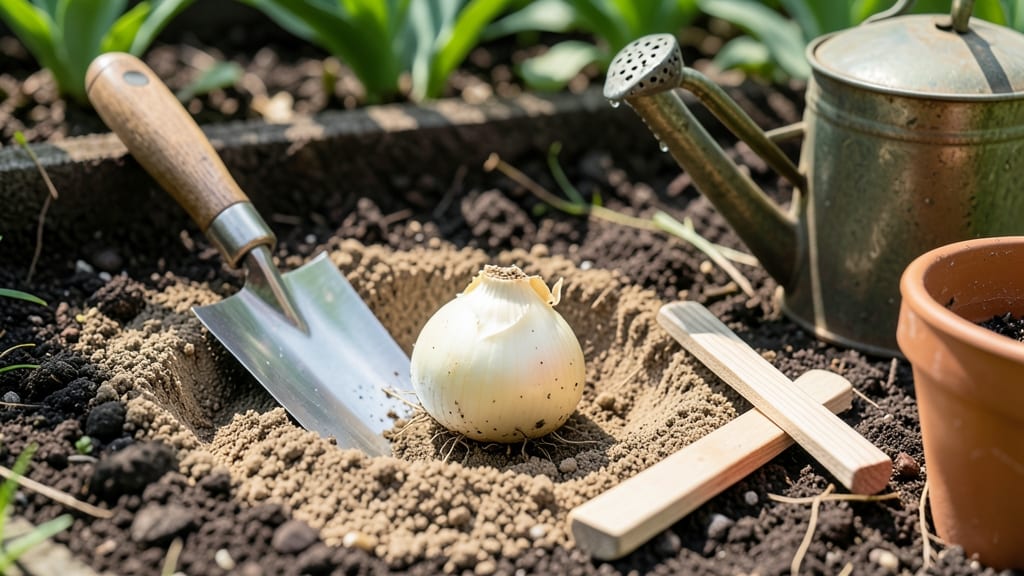
Replanting Easter lily bulbs guarantees next year’s showstopping blooms—if you time it right and handle them carefully. 🌸 I’ve replanted mine for five seasons now, and the difference between a thriving clump and a sad, sparse one comes down to three critical steps: digging, storing, and replanting with precision.
Skip any of them, and you might as well toss those bulbs. The first mistake most gardeners make is replanting too early or too late. Easter lilies need 6-8 weeks of cool weather before blooming season to establish roots properly.
Plant them in fall (after your first frost) or early spring—never when the soil is still warm. And here’s the secret: don’t wash off the soil when you dig them up.
Just loosen it gently and store the bulbs in a cool, dry place (like a garage or basement) until replanting time. Once you replant, the payoff is worth the effort. You’ll see stronger stems, more buds, and blooms that last two weeks longer than store-bought varieties.
The key is well-draining soil—mix in compost and avoid heavy clay—and planting bulbs 6 inches deep, with the pointed end up. Water them deeply after planting, then let nature take over.
This method works for both container gardens and in-ground beds, and even if you’ve struggled with Easter lilies before, these steps turn them into foolproof performers. Ready to dig in?
📚 In This Guide
- What you need
- Instructions
- Tips and common mistakes
- Wrapping up and next steps
What you need
- ● Easter lily bulbs: Healthy, firm bulbs (1–3 per pot or 1 per 6-inch hole in the ground).
- ○ Well-draining potting mix: 3–5 gallons (or enough to fill containers/pots). Optional: Mix in perlite or sand for extra drainage.
- ● Containers or garden bed: Containers: 6–8-inch pots with drainage holes (1–2 bulbs per pot).
- ● Garden bed: Loose, fertile soil with good drainage (dig holes 2–3 times wider than the bulb).
- ● Garden gloves: To protect hands from soil and sharp bulb edges.
- ● Trowel or shovel: For digging and transplanting.
- ● Watering can or hose with gentle spray: For post-planting hydration.
- ○ Balanced fertilizer (5-10-5 or 10-10-10): 1 tbsp per bulb (optional but recommended for container plants).
- ● Mulch: 1–2 inches of shredded bark or straw to retain moisture and regulate soil temp.
- ● Bulb fertilizer: Slow-release granules (follow package instructions).
- ● Plant labels: To track varieties if replanting multiple types.
- ● Compost or worm castings: Boosts soil fertility for next season’s growth.
Step-by-step instructions for replanting Easter lily bulbs
Here's how I ensure my Easter lilies return with even more dramatic blooms every spring.
🌱 Step 1: Time the Digging for Perfect Bulb Health
Wait until 6-8 weeks after flowering—when the foliage begins to yellow and die back naturally. This timing ensures the bulb has stored enough energy for next season's growth. I mark my calendar right after the blooms fade so I don't forget this critical window.
Use a garden fork to gently loosen the soil around the bulb before lifting it. Digging too soon (while foliage is still green) starves the bulb of nutrients it needs to regenerate. The goal is to remove the bulb intact with its root system—any damage here means fewer blooms next year.
🪴 Step 2: Clean and Inspect Each Bulb
Remove all soil from the bulb by rinsing it under lukewarm water with a soft brush. I inspect each bulb for soft spots or mold, which means it won't survive replanting. Healthy bulbs feel firm and papery on the outside, with no signs of rot or insect damage.
Trim any remaining foliage to 2 inches above the bulb but leave the base intact—this prevents disease while allowing the bulb to continue processing nutrients. Store bulbs in a cool, dry place (50-60°F) with good air circulation for 8-10 weeks before replanting.
☀️ Step 3: Prepare the New Planting Site
Choose a location with full sun (6+ hours daily) and well-draining soil. Easter lilies hate soggy roots, so amend heavy clay with 2-3 inches of compost and a handful of perlite. I dig a hole 3 inches deeper and twice as wide as the bulb itself to encourage root spread.
Space bulbs 6-8 inches apart in rows 12 inches apart for mature plants. The deeper you plant, the more stable the bulb becomes against wind and the stronger the next year's stems. Water the hole thoroughly before planting to eliminate air pockets around the roots.
💧 Step 4: Replant and Establish for Next Season
Place the bulb in the hole with the pointed end facing up. Cover with soil and water deeply to settle everything. Mulch with 2 inches of shredded bark or straw to protect against winter freeze-thaw cycles. I avoid organic mulch like grass clippings—it can mat down and suffocate the bulb.
Keep the soil consistently moist but never soggy until new growth appears in spring. You'll see the first shoots emerge when soil temperatures reach 55°F. This is your cue to reduce watering slightly—overwatering now encourages weak, leggy growth that flops over later.
Tips & tricks for replanting Easter lily bulbs
These game-changing tips will help you maximize next season's blooms while avoiding common pitfalls that ruin bulbs.
Timing Secret: The 6-8 week window after flowering is non-negotiable for bulb health. I use a small flag marker on my garden stakes when the blooms fade—this visual cue prevents me from digging too early. Watch for foliage to turn completely yellow and crispy before lifting, as green leaves indicate the bulb is still photosynthesizing and storing energy.
Bulb Inspection Wisdom: When rinsing bulbs in lukewarm water, I look for the "paper test"—healthy bulbs should feel dry and papery like onion skins. Any soft spots or slimy texture means the bulb has rot and should be discarded immediately. This simple check saves me from wasting money on bulbs that won't regrow.
Storage Strategy: For the critical 8-10 week storage period, I use a mesh produce bag with holes punched in it—this allows airflow while keeping out pests. Store the bag in a dark closet or basement where temperatures stay between 50-60°F. I avoid plastic containers as they trap moisture and encourage mold growth.
Planting Depth Insight: The 3-inch deeper planting creates a natural anchor for the bulb against wind and encourages deeper root growth. I use a pencil to mark the planting depth on my trowel—this helps me maintain consistency, especially when planting multiple bulbs. Deeper planting also protects bulbs from temperature fluctuations that can damage shallow roots.
Pro Tips for Replanting Easter Lily Bulbs
- These game-changing tips will help you maximize next season's blooms while avoiding common pitfalls that ruin bulbs.
- Timing Secret: The 6-8 week window after flowering is non-negotiable for bulb health.
- Bulb Inspection Wisdom: When rinsing bulbs in lukewarm water, I look for the "paper test"—healthy bulbs should feel dry and papery like onion skins.
Frequently asked questions
Got questions about replanting your Easter lilies? You’re not alone!
Here are the answers to the most common concerns—so you can grow those stunning blooms again next spring with confidence.
When is the best time to replant Easter lily bulbs?
After the foliage completely turns yellow and dies back (usually 6–8 weeks post-bloom), dig up the bulbs. Replant them in fall (6–8 weeks before your first frost) in well-draining soil. This gives roots time to establish before winter. Pro tip: Mark their location to avoid digging them up accidentally!
How long do Easter lily bulbs take to bloom after replanting?
Patience pays off! Replanted bulbs typically take 1–2 years to rebloom, depending on conditions. First-year energy goes into root growth, but with proper care (sun, water, and nutrients), you’ll see those iconic trumpet-shaped flowers return next spring. Mulch lightly in winter to protect them.
Can I replant Easter lilies in containers instead of the ground?
Containers work great if you live in cold climates or have poor soil. Use a pot with drainage holes, a high-quality potting mix, and place it in full sun. Move pots indoors before frost or bury them in the ground for winter. Just ensure the container is at least 12 inches deep to accommodate bulb growth.
Why aren’t my replanted Easter lilies blooming?
No blooms? Check these common culprits:
- Not enough sunlight: Easter lilies need 6+ hours of direct sun daily.
- Overcrowded bulbs: Dig up and separate bulbs if they’re packed too tightly.
- Improper watering: Too much or too little water stresses bulbs. Keep soil evenly moist but not soggy.
- Lack of nutrients: Feed with a balanced bulb fertilizer in early spring.
What can I plant alongside Easter lilies for a showstopping display?
Pair them with complementary perennials like:
- Daylilies (tolerate similar conditions)
- Salvia or catmint (adds height and color)
- Ferns or hostas (for shade-loving contrast)
- Marigolds (repel pests naturally)
Wrapping up and next steps
Replanting your Easter lily bulbs is a simple yet rewarding way to bring back those stunning blooms year after year!
With the right timing, soil prep, and care, you’ll soon be enjoying vibrant flowers that brighten your space. Don’t let those bulbs go to waste—give them a second chance to thrive!
Ready to take the next step? Mark your calendar for late summer or early fall to replant, and watch your garden transform with bold, beautiful blooms next spring. Happy planting! 🌸