
Container Gardens
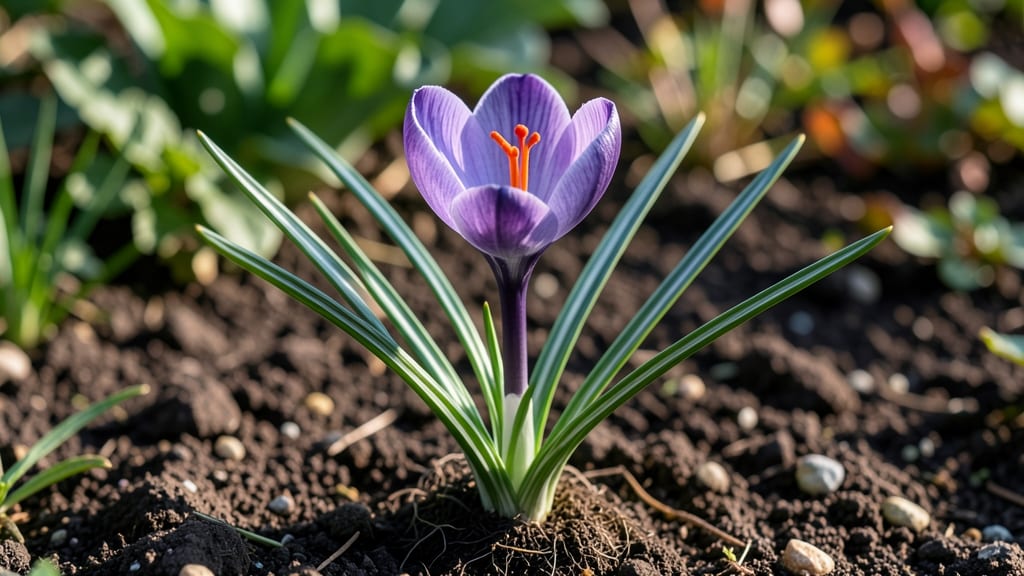
Growing saffron bulbs transforms your fall garden into a golden harvest waiting to happen. 🌿 The secret to success lies in understanding their chill-triggered nature—these bulbs need cold weather to bloom, making them perfect for container growing in cooler climates.
My first attempt with saffron was a lesson in patience, but once I cracked the timing, I couldn’t stop planting them.
You’ll need well-draining soil, containers with drainage holes, and a spot that gets full sun for at least 6 hours a day. Plant the bulbs 3-4 inches deep, spacing them about 2 inches apart, and water lightly after planting.
The key is letting them dry out completely during dormancy—overwatering is the fastest way to kill them before they even bloom.
By late fall or early winter, you’ll see the first purple blooms appear, each hiding three precious saffron threads worth their weight in gold. The harvest is quick but delicate—strip the threads by hand on a dry day, then dry them thoroughly for the best flavor.
Even a small container can yield enough saffron to flavor hundreds of dishes for years to come.
Works beautifully in pots on patios, balconies, or even indoors near a sunny window during dormancy. Just remember: saffron bulbs are not like other spring flowers—they need cold to wake up, so don’t rush the process. Patience pays off in spice that’s worth more than its weight in jewelry.
📚 In This Guide
- What you need
- Instructions
- Tips and common mistakes
- Wrapping up and next steps
What you need
- ● Saffron corms (bulbs): 5–10 Crocus sativus corms (choose certified organic or disease-free for best results).
- ● Container: A well-draining pot (12–18 inches deep) with drainage holes. Terracotta or fabric pots work best.
- ● Potting mix: A lightweight, fast-draining blend (e.g., 60% cactus/succulent mix + 40% perlite or coarse sand). Avoid heavy garden soil!
- ● Chill treatment: A refrigerator (or cold frame) to simulate winter dormancy (4–6 weeks at 35–45°F).
- ● Gloves: Garden gloves to protect hands from sharp corm edges.
- ● Trowel or spoon: For gentle planting (avoid digging too deep!).
- ● Watering can or spray bottle: For precise hydration (saffron hates soggy roots!).
- ○ Mulch (optional): A thin layer of straw or pebbles to retain moisture and regulate temperature.
- ○ Grow lights (optional): If your space lacks bright light (12+ hours/day during blooming season).
Step-by-Step instructions for growing saffron in containers
Here's how to coax those prized purple blooms from dormant corms—even in small spaces.
🌱 Step 1: Select and Prepare the Right Containers
Saffron corms need excellent drainage, so choose pots with multiple drainage holes—terracotta or ceramic work best. Each 4-inch pot will comfortably hold 1-2 corms, and you'll need 4 pots total for a full harvest. I always add a 1-inch layer of gravel or perlite at the bottom before filling with soil to prevent root rot.
The reason for this layer is simple: saffron corms rot quickly in soggy conditions. You'll see this when the corms develop a soft, mushy texture instead of firm roots. Use a well-draining cactus/succulent mix blended with 20% perlite—this ensures water drains freely while retaining just enough moisture.
🌿 Step 2: Plant Corms at the Correct Depth and Spacing
Place each corm with its pointed end up, about 2 inches deep in the soil. The key here is spacing: position corms 3 inches apart in the pot to allow room for root expansion. I like to use a pencil to make small holes for each corm—this prevents overcrowding and makes transplanting easier later.
Gently firm the soil around the corms but don't pack it down. The soil should feel like a damp sponge, not wet sand. Water lightly after planting to settle the soil without displacing the corms. You'll know you've done it right when the soil surface looks slightly compacted but still crumbly.
⏰ Step 3: Trigger Dormancy and Chilling Period
Saffron blooms only after a 12-16 week cold period at 35-45°F. Here's where it gets tricky: most gardeners skip this step and wonder why their corms refuse to flower. Place the pots in a garage, unheated basement, or even a refrigerator (with good airflow) for the full duration.
Check the corms monthly—they should feel firm but not shriveled. If they start to dry out, mist lightly with water. The goal is to simulate winter conditions without letting the corms freeze. After 12 weeks, you'll notice tiny green shoots emerging—this is your cue to move them to a bright, cool location.
☀️ Step 4: Bring Into Light and Maintain Through Spring
Once shoots appear, move the pots to a spot with 6-8 hours of indirect light daily. A north-facing window or under a grow light works best. Avoid direct sun at first—you'll see the leaves scorch if exposed too soon. Water sparingly, keeping the soil just moist but never soggy.
Fertilize lightly with a balanced 10-10-10 mix every 4 weeks once shoots reach 2 inches tall. The blooms will appear in late spring, typically 8-10 weeks after chilling. You'll recognize them by their unique deep purple flowers with crimson stigmas—each flower yields just 3-4 precious stigmas.
✂️ Step 5: Harvest and Prepare for Next Year
Harvest stigmas in the early morning when they're fully open but still damp with dew. Gently twist them free by hand—never cut them, as this damages the flower. Each corm will produce 2-5 flowers per season, so you'll need patience for a meaningful harvest. Store dried stigmas in an airtight container away from light.
After blooming, let the foliage die back naturally. In fall, dig up the corms, separate any offsets, and store them in a cool, dry place until next year's planting. The corms multiply over time, so you'll gradually increase your yield. Real talk: the first year's harvest is small, but each subsequent year rewards your patience with more blooms.
Tips & tricks for growing saffron in containers
Here’s what I’ve learned after watching corms fail—and thrive—over multiple seasons.
Drainage is Non-Negotiable: The 1-inch gravel layer in Step 1 isn’t just optional—it’s the difference between success and soggy disappointment. I’ve seen corms develop that telltale mushy texture when drainage fails, and it’s irreversible. For extra insurance, elevate your pots on feet or a tray to prevent water pooling at the bottom. Terracotta pots help, but ceramic with drainage holes works just as well.
The Chill Period Demands Precision: That 12-16 week cold period at 35-45°F is where most gardeners stumble. I once left mine in a basement that dipped below freezing—my corms shriveled up like raisins. Use a thermometer to monitor temps, and avoid refrigerators with high humidity (condensation = rot risk). A garage with consistent airflow is ideal. Once you spot those first green shoots at 12 weeks, move them immediately—delaying by even a week can stunt growth.
Light Matters More Than You Think: The 6-8 hours of indirect light in Step 4 is critical, but the type of light matters too. South-facing windows can scorch leaves, so start with east-facing exposure or grow lights 12 inches above the pots. I’ve had corms bolt (flower prematurely) when exposed to too much heat, so a sheer curtain helps diffuse intensity. And yes, those purple blooms will appear—just be patient for the 8-10 weeks after chilling.
Harvesting is an Art: Those crimson stigmas are delicate—twist them gently by hand at dawn when dew clings to the petals. Cutting them severs the flower’s base, reducing next year’s yield. Store dried stigmas in a dark jar with a tight seal; exposure to light turns them bitter. Pro tip: Label your jars with the harvest date—fresh saffron loses potency after 6 months.
Pro Tips for Saffron Bulbs Growing
- Here’s what I’ve learned after watching corms fail—and thrive—over multiple seasons.
- Drainage is Non-Negotiable: The 1-inch gravel layer in Step 1 isn’t just optional—it’s the difference between success and soggy disappointment.
- The Chill Period Demands Precision: That 12-16 week cold period at 35-45°F is where most gardeners stumble.
Frequently asked questions
Got questions about growing saffron bulbs in containers?
You’re not alone! Here are answers to the most common queries—from timing to troubleshooting—to help your saffron garden thrive.
When is the best time to plant saffron bulbs in containers?
Plant saffron bulbs in early fall (6–8 weeks before the first frost) for a winter chill period. If you live in a warm climate, mimic winter by refrigerating bulbs for 8–12 weeks at 35–45°F (2–7°C) before planting. Timing ensures robust blooms in late fall or early spring!
Can saffron grow in regular potting soil, or does it need something special?
Saffron thrives in well-draining, sandy loam with a pH of 6.0–7.5. Mix 50% potting soil with 50% perlite or coarse sand to prevent rot. Avoid heavy, water-retentive soils—saffron bulbs hate soggy roots! A container with drainage holes is a must.
What happens if my saffron bulbs don’t get enough cold exposure?
Without chill hours (below 50°F/10°C for 6–8 weeks), saffron bulbs may fail to bloom or produce weak flowers. In warm climates, use a cooling chamber or plant in shaded, elevated containers to simulate winter. Patience pays off—reward your bulbs with a proper rest period!
How do I tell if my saffron plant is healthy or struggling?
Healthy saffron shows long, grass-like leaves (12–24 inches tall) and purple-tinged buds in fall/spring. Signs of trouble:
- Yellowing leaves → Overwatering or poor drainage.
- Mushy bulbs → Root rot (reduce water immediately).
- No flowers → Likely needs more chill time or sunlight.
Are there cheaper alternatives to fresh saffron bulbs?
Yes! Start with corms (dormant bulbs) instead of expensive flowers—each corm yields multiple harvests. Alternatively, buy saffron crocus seed (slower but budget-friendly) or propagate from healthy offsets (small bulbs that form around the parent). Just know: patience is key—saffron takes 2–3 years to mature!
Wrapping up and next steps
Growing saffron bulbs in containers is a rewarding journey—one that combines patience with the magic of chill-triggered blooms and vibrant golden threads. With the right setup, a bit of care, and a dash of creativity, you’ll soon enjoy this prized spice right from your own garden. 🌱✨
Now that you’re armed with the know-how, why not take the next step? Start small with a single pot or experiment with different varieties. Whether you’re growing for culinary passion or just the joy of nurturing something extraordinary, your saffron adventure begins today!