
Advice
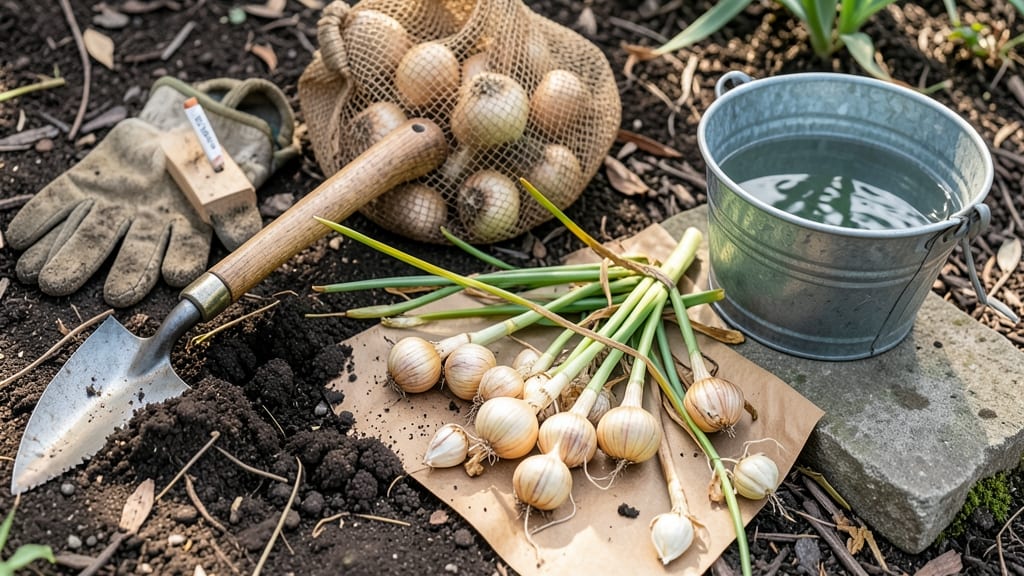
Separating daffodil bulbs after blooming prevents overcrowding, which ensures stronger stems and larger blooms for next season. Lift clumps in late summer, gently separate the bulbs, and replant healthy ones in well-draining soil.
Daffodils naturally multiply over time, creating dense clusters that compete for nutrients and sunlight. 🌱 When bulbs grow too close, they produce smaller flowers and weaker stems because each bulb fights for resources.
Dividing them every 3-5 years gives each bulb enough space to store energy in its foliage, which directly translates to bigger, more vibrant blooms the following spring. I’ve seen firsthand how this simple step can turn a struggling patch into a showstopper.
Timing matters—wait until the foliage yellows and dies back completely (usually late summer) before digging. This ensures the bulbs have finished storing nutrients for next year’s growth. Use a garden fork to lift the clump carefully, then separate the bulbs by hand, discarding any that feel soft or shriveled.
Replanting at a depth of 6 inches mimics their natural soil conditions and encourages strong root development.
💡 In This Article
- When and Why to Divide Overcrowded Daffodil Bulbs
- Step-by-Step Guide to Safely Handling Daffodil Bulb Separation
When and why to divide overcrowded daffodil bulbs
Daffodils multiply through a process called bulb offsets, where smaller bulbs grow from the parent bulb's base.
Over time, these offsets create dense clumps where bulbs compete fiercely for water, nutrients, and sunlight. 🌱 This competition forces each bulb to allocate less energy to flower production, resulting in smaller blooms and weaker stems.
The foliage—often overlooked—plays a critical role here: it photosynthesizes for 6-8 weeks after blooming to store carbohydrates in the bulb, fueling next year's growth. When bulbs are too crowded, this foliage can't fully mature, leaving the bulb with insufficient reserves.
The ideal division cycle is every 3-5 years, depending on your climate. In cooler regions, daffodils may take longer to reach this point, while warmer zones can see overcrowding in as few as 2 years.
You'll know it's time when you notice fewer flowers per stem, stems leaning or flopping, or foliage that yellows prematurely. The biological trigger is simple: when bulbs reach about 3-4 inches in diameter, they've typically maxed out their flowering potential in that spot.
This is when they signal to gardeners that it's time to intervene.
Here's what happens when you skip division: bulbs become nutrient-depleted because they can't access enough soil resources, leading to a decline in both flower count and size. I've seen patches where blooms shrank from 3 inches to just 1 inch over three years without separation.
The good news? Proper division reverses this trend—replanting bulbs with 6-8 inches of space between them restores their ability to store energy efficiently, often resulting in blooms that are 20-30% larger the following spring.
There's a common misconception that dividing daffodils is traumatic for the plant. In reality, it's their natural lifecycle—wild daffodils spread aggressively through this same process. The key difference is we're controlling the timing and conditions to maximize their potential.
When you separate bulbs at the right moment (after foliage dies back), you're essentially giving each bulb its own territory to rebuild its energy reserves without competition. This biological reset is what transforms struggling patches into vibrant displays year after year.
Consider the science of bulb growth: each mature daffodil bulb contains two growth points—one at the top (which produces the flower) and one at the base (which produces offsets). When bulbs are crowded, the top growth point gets starved of resources because the base is constantly producing new bulbs.
Separating them breaks this cycle, allowing the top growth point to focus solely on producing a strong, healthy flower stalk. It's like giving each bulb its own garden plot instead of cramming them into a single container.
One visual clue to watch for is the flower stem angle. Healthy, well-spaced daffodils grow stems that stand upright at about 45-degree angles from the foliage. Overcrowded plants often develop stems that grow at 90-degree angles or even flop over entirely—a clear sign they're struggling for support.
This isn't just about aesthetics; stems that can't support themselves are more prone to breakage in wind or rain, which can damage the developing bulb below.
For gardeners in Zone 5-7, the late summer division window (typically August-September) aligns perfectly with the bulb's natural dormancy period. This timing ensures minimal stress on the plant while giving new roots 4-6 weeks to establish before winter.
In warmer zones (Zone 8+), you might extend this window slightly into early fall, but never after the first frost—bulbs need to be firmly settled before cold weather sets in.