
Planting
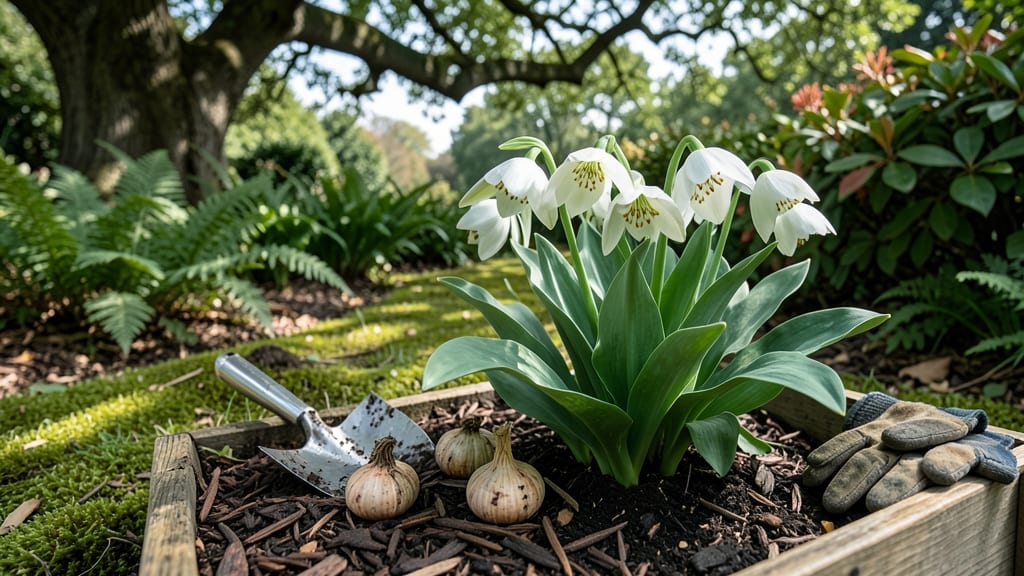
Spring bulbs for shade bring vibrant blooms to your garden without needing direct sunlight—something I once thought impossible until I planted my first batch of wood anemones under a mature oak. 🌿 The key is choosing the right varieties like snowdrops, hellebores, or Dutch hyacinths that thrive in dappled light, then matching them to your shade conditions.
You’ll need well-draining soil and a spot that gets at least 3-4 hours of filtered light daily. Most shade-loving bulbs prefer moist but not soggy soil, so amending with compost before planting makes all the difference.
Planting in fall (6-8 weeks before frost) gives roots time to establish before spring’s burst of color. By late winter, you’ll see delicate blooms pushing through the leaf litter, creating a magical carpet of flowers that lasts for weeks.
The secret is layering bulbs at different depths for continuous blooms from early spring through summer. Works in woodland gardens, under trees, or along north-facing walls. Here’s how to make it work without the guesswork!
📚 In This Guide
- What you need
- Instructions
- Tips and common mistakes
- Wrapping up and next steps
What you need
- ● Spring bulbs for shade: Choose from tried-and-true varieties like daffodils, hyacinths, crocuses, or woodland phlox. Aim for 5-10 bulbs per square foot for a lush look. Pro tip: Opt for pre-chilled bulbs (labeled as such) to skip the cold stratification step!
- ● Well-draining soil: Amend heavy or clay soil with compost or peat moss (1 part to 2 parts soil) to improve drainage. Shade-loving bulbs hate soggy roots!
- ● Organic mulch: 2-3 inches of shredded bark, pine needles, or straw to retain moisture and regulate soil temperature.
- ● Hand trowel or bulb planter: For digging holes 2-3 times deeper than the bulb’s height (e.g., 6" deep for daffodils).
- ○ Garden gloves: Optional but highly recommended—bulbs can be sharp, and soil gets messy!
- ● Measuring tape or ruler: Ensures consistent spacing (typically 4-6 inches apart for most bulbs).
- ● Watering can with a fine rose: Gently moistens soil without displacing bulbs.
- ● Slow-release bulb fertilizer: Mix 1 tbsp per planting hole for a nutrient boost.
- ● Soil pH tester: Shade bulbs prefer neutral to slightly acidic soil (pH 6.0-7.0). Adjust with lime or sulfur if needed.
- ● Landscape fabric: Place beneath mulch to suppress weeds (especially in high-traffic areas).
- ● Stakes or labels: Mark bulb varieties if planting a mix—trust me, you’ll thank yourself next spring!
How to plant spring bulbs for year-round shade garden color
Shade gardens don't have to be dull—these bulbs bring vibrant blooms with minimal sunlight.
🌱 Step 1: Choose the Right Shade-Tolerant Bulbs
Focus on varieties that thrive in low to moderate light like daffodils, hyacinths, snowdrops, and bleeding hearts. These bulbs handle partial shade beautifully and often rebloom in fall. I always pick multi-season performers—ones that deliver foliage interest even when flowers fade.
Check the USDA hardiness zone on each bulb package to match your climate. For example, tulips need zones 3-8, while crocuses handle zones 3-9. Plant bulbs that match your winter temperatures to ensure they survive dormancy.
🪴 Step 2: Prepare the Soil and Planting Site
Test your soil’s drainage—shade bulbs rot quickly in soggy conditions. Amend heavy clay with 2-3 inches of compost or sand to improve aeration. I dig a hole twice as wide as the bulb but only 6-8 inches deep—deeper planting delays blooming.
Loosen the soil around the hole with a trowel to encourage root spread. If your garden has acidic soil, mix in a handful of lime to create a neutral pH (6.0-7.0). Shade bulbs need fertile, well-draining soil to thrive—don’t skip this step.
💧 Step 3: Plant Bulbs at the Correct Depth and Spacing
Place each bulb pointy side up at a depth equal to 2-3 times their height. For example, a 3-inch-tall daffodil bulb should go 6 inches deep. Crowding bulbs leads to weak stems and fewer flowers, so space them 3-6 inches apart depending on the variety.
Water deeply after planting to settle the soil and eliminate air pockets. Mulch with 2-3 inches of shredded bark or leaves to retain moisture and protect bulbs from temperature swings. This mulch layer also suppresses weeds—another win for low-maintenance shade gardens.
☀️ Step 4: Provide Care for Healthy Blooms and Reblooming
Water bulbs once a week during dormancy (fall/winter) unless rainfall is heavy. Once shoots emerge in spring, increase watering to every 5-7 days—keep soil moist but not soggy. You’ll know moisture is right when the soil feels damp 1 inch below the surface.
Leave foliage until it yellows naturally—this feeds the bulb for next year’s blooms. I mark planting spots with small flags so I don’t accidentally cut back leaves too soon. In fall, add a light layer of compost around bulbs to boost nutrients for the following season.
⏰ Step 5: Extend Seasonal Interest with Companion Plants
Pair bulbs with hostas, ferns, and astilbes for layered shade color. These perennials hide fading bulb foliage while providing year-round texture. I plant heucheras near early bloomers like crocuses—their colorful leaves add contrast until flowers appear.
Rotate bulbs every 3-4 years to prevent overcrowding. Dig up and divide clumps in early fall when foliage turns brown. This rejuvenates blooms and keeps your shade garden looking fresh without extra sunlight.
Tips & tricks for perfect spring bulb planting in shade
Here's what nobody tells you—these little details make all the difference between a forgettable shade garden and one that bursts with color year after year.
Bulb Selection Wisdom: Look for bulbs labeled "reliable" or "reblooming" on the package—these are specifically bred to perform well in partial shade. I've found that daffodils and hyacinths often outperform tulips in shadier spots. For continuous color, mix early bloomers like crocuses (February-March) with mid-season bleeding hearts (April-May) and late-season alliums (June-July).
Soil Prep Secret: The 2-3 inches of compost or sand recommendation is non-negotiable for shade bulbs. I've learned the hard way that soggy soil = rotten bulbs. For heavy clay soils, I actually mix in perlite (about 10% by volume) to create tiny air pockets that improve drainage without altering texture. Test your soil's moisture level after amending—it should feel like a damp sponge, not a wet washcloth.
Planting Depth Hack: That 2-3 times height rule is your friend, but here's the part nobody emphasizes: use your finger to create a small depression in the soil before placing the bulb. This ensures proper depth without compacting the roots. For larger bulbs (like hyacinths), I actually use a bulb planter to make perfectly sized holes—it saves time and ensures consistency across your entire garden.
Mulching Strategy: The 2-3 inches of mulch isn't just for insulation—it's your weed barrier and moisture regulator. I use shredded hardwood mulch because it breaks down slowly and adds organic matter. Pro tip: Refresh the mulch layer every spring to maintain its protective qualities. And here's a secret I picked up from gardeners in zone 5: in extremely cold climates, add an extra inch of mulch in late fall to protect bulbs from temperature swings.
Pro Tips for Spring Bulbs For Shade
- Here's what nobody tells you—these little details make all the difference between a forgettable shade garden and one that bursts with color year after year.
- Bulb Selection Wisdom: Look for bulbs labeled "reliable" or "reblooming" on the package—these are specifically bred to perform well in partial shade.
- Soil Prep Secret: The 2-3 inches of compost or sand recommendation is non-negotiable for shade bulbs.
Frequently asked questions
What are the best spring bulbs for deep shade?
If your garden gets minimal sunlight (less than 3 hours of direct light daily), prioritize woodland natives like trilliums, bloodroot, and Virginia bluebells. For slightly brighter shade (3–6 hours of light), try daffodils, hyacinths, or crocuses. Always check the plant tag for light requirements—some "shade-tolerant" bulbs still need dappled light to perform best!
When is the best time to plant shade bulbs?
Plant most spring bulbs in fall (6–8 weeks before the first frost), but shade-loving varieties like alliums or glory-of-the-snow can handle planting as late as early spring (as soon as the soil is workable). The key? Plant them shallowly (2–3x the bulb’s height) and in well-draining soil—shade can make soggy roots a bigger issue. Pro tip: Mark your calendar to avoid missing the window!
Can I plant spring bulbs under trees?
Trees create perfect shade, but avoid planting directly under dense canopies where roots compete for nutrients. Instead, aim for the drip line (the edge of the tree’s shadow) where soil stays moist but roots aren’t overcrowded. Mulch well after planting to retain moisture and suppress weeds. Just skip bulbs that rot easily (like tulips)—opt for drought-tolerant picks like squirrel corn or wild ginger.
Why aren’t my shade bulbs blooming?
Blame it on light, depth, or hunger! Most shade bulbs need consistent moisture (not soggy soil) and rich, organic matter in the soil. If they’re not blooming:
- Check the light: Are they in true shade (no dappled light)? Some bulbs need at least 3 hours of indirect light.
- Dig deeper: Planting too shallow can starve roots. Aim for 3x the bulb’s height.
- Feed them: Add compost or bone meal at planting time for a nutrient boost.
- Be patient: Some bulbs (like trilliums) take 3–5 years to mature!
What are some low-maintenance shade bulb alternatives?
If you want color without the fuss, try these perennial ground covers and shade-tolerant plants that pair well with bulbs:
- Hosta (foliage + shade structure)
- Lungwort (Pulmonaria) (early spring blooms)
- Fern varieties (e.g., Ostrich fern for texture)
- Heuchera (Coral Bells) (colorful leaves year-round)
- Ajuga (Bugleweed) (spreading, drought-tolerant)
These companion plants will fill gaps while your bulbs recharge underground. Pro tip: Mix fast-spreading ajuga with slow-growing trilliums for a low-maintenance, lush shade garden!
Wrapping up and next steps
Transforming your shady garden into a vibrant spring paradise is easier than you think! With the right spring bulbs for shade, you can enjoy year-round color and texture—even in low-light spots.
From early bloomers like crocuses to late-season stars like lycoris, these plants prove that shade gardens can be just as stunning as sun-soaked ones.
Ready to get started? Grab your gloves, pick your favorites, and plant with confidence! Next, explore local nurseries or online retailers to find the perfect bulbs for your space. Happy gardening! 🌱✨