
Pests
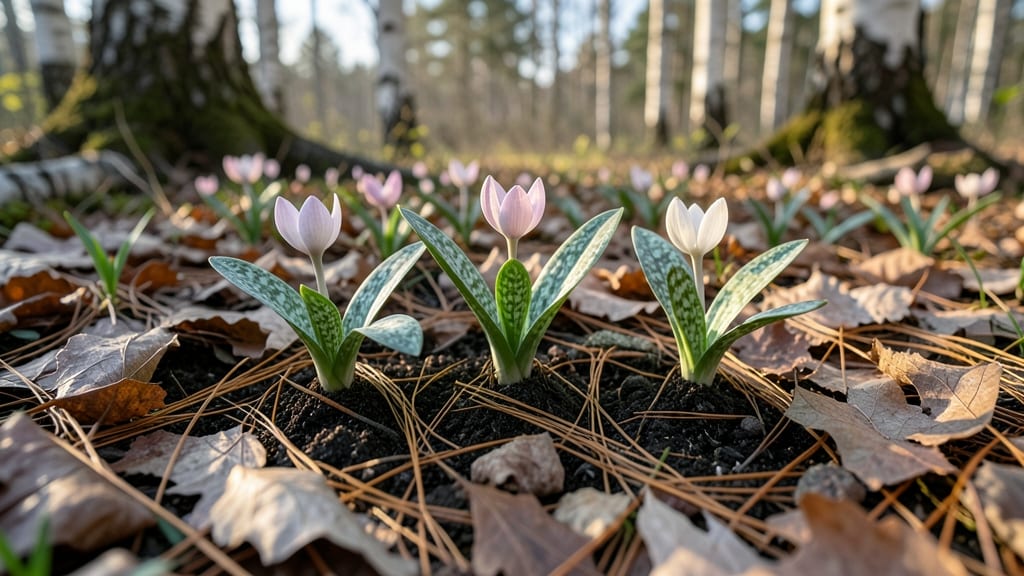
Tired of squirrels turning your garden into their personal buffet? These 10 squirrel-resistant bulbs deliver stunning blooms while outsmarting hungry rodents with natural defenses, strong fragrances, or unappealing textures—so you can finally enjoy a low-maintenance, high-reward garden.
Allium Purple Globe: Spiky Defense Against Digging
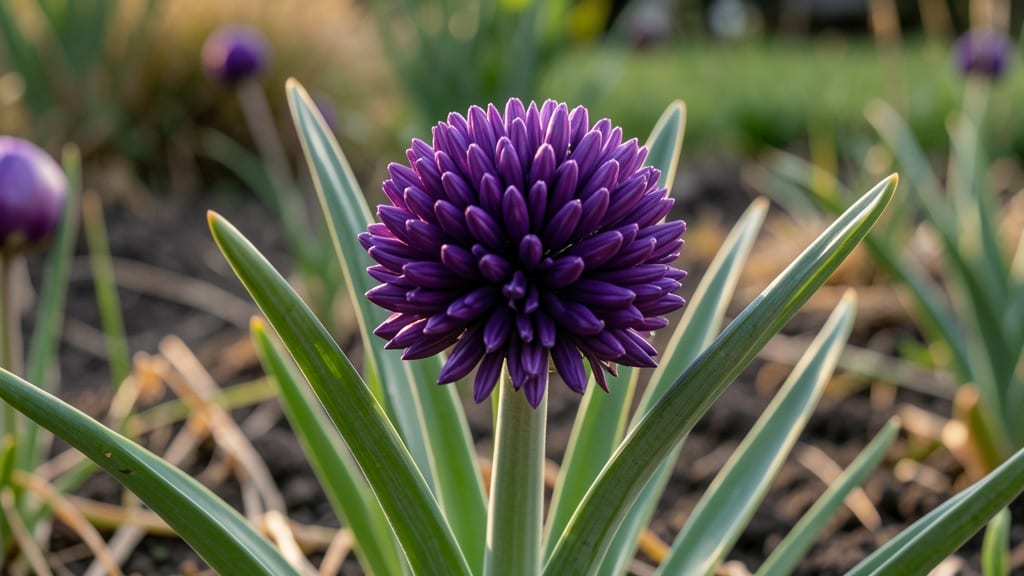
If you’ve ever lost prized bulbs to relentless squirrel digging, Allium Purple Globe might just be your new secret weapon. This striking bulb produces spherical, deep purple blooms that look like tiny, edible ornaments—yet their sharp, onion-like foliage and pungent scent act as a natural deterrent to hungry rodents.
Thriving in full sun with minimal care, these bulbs are drought-tolerant once established and bloom reliably from mid to late summer. Their pollinator-friendly flowers attract bees and butterflies while confusing squirrels with their dense, globe-shaped clusters. Plant them in cottage gardens, perennial borders, or even containers for a bold, low-maintenance statement.
Perfect for gardeners who want year-round interest—the foliage remains attractive long after blooming—and those tired of replanting lost bulbs. 🌟
Daffodil Ice Follies: Toxic Petals Squirrels Avoid
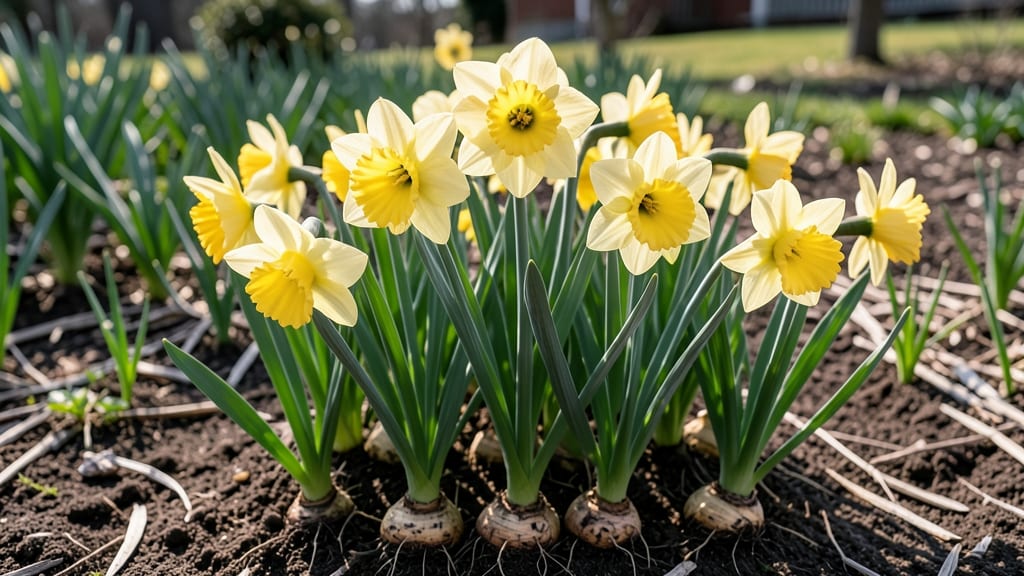
Brighten your early spring garden with Daffodil Ice Follies, whose cheerful yellow blooms pack a squirrel-deterring punch. This variety contains lycorine, a natural toxin that squirrels instinctively avoid, making it a foolproof choice for problem areas where rodents dig.
Plant these bulbs in full sun to partial shade for maximum blooms, and naturalize them under trees where squirrels typically forage. The toxic petals also protect against deer, while their trumpet-shaped flowers attract pollinators. For best results, plant bulbs 6 inches deep in well-draining soil.
Perfect for borders, woodland edges, or containers, these daffodils bring year-round interest with their sword-like foliage even after blooming. 🌷
Fritillary Crown Imperial: Strong Scent Confuses Rodents
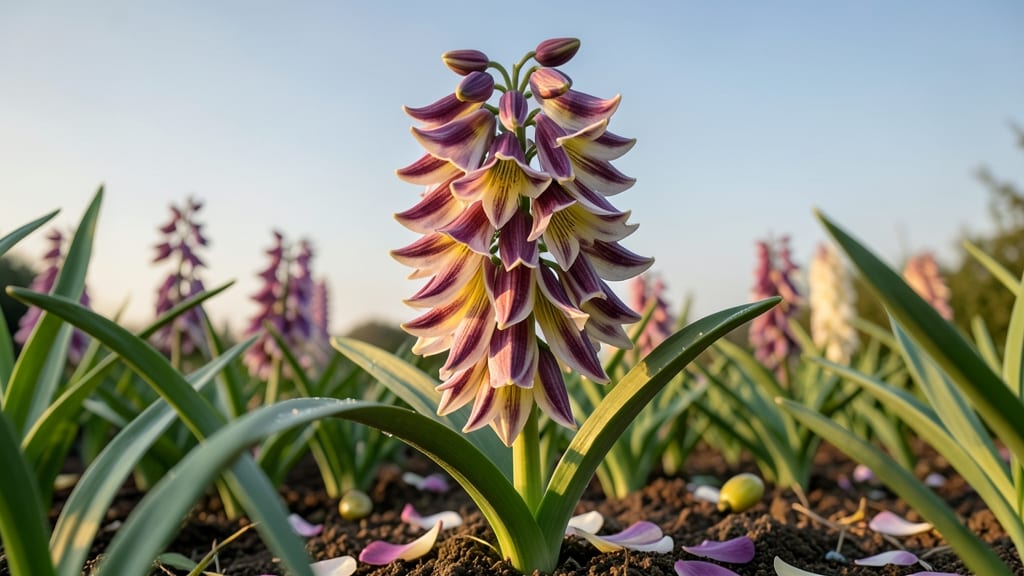
Want a bulb that not only survives squirrel raids but also adds a whimsical, almost fairy-tale touch to your garden? The Fritillary Crown Imperial (Fritillaria imperialis) does just that—its exotic, layered blooms and intoxicating fragrance create a sensory barrier that confuses foraging squirrels while drawing in pollinators.
This dramatic perennial thrives in full sun to partial shade and reaches heights of 3–4 feet, making it perfect for sunny perennial beds or as a striking backdrop near patios. Plant bulbs in groups of 3–5 for maximum impact, and enjoy their late spring to early summer blooms in vibrant orange, yellow, or red hues. The scent alone often deters squirrels, but the layered petals also make the flowers difficult for them to strip.
Ideal for gardeners who love bold statements, this bulb adds vertical interest and fragrance to summer gardens while keeping squirrels at bay—no fences or repellents required! 🌻
Muscari Grape Hyacinth: Tight Clusters Rodents Can’t Access
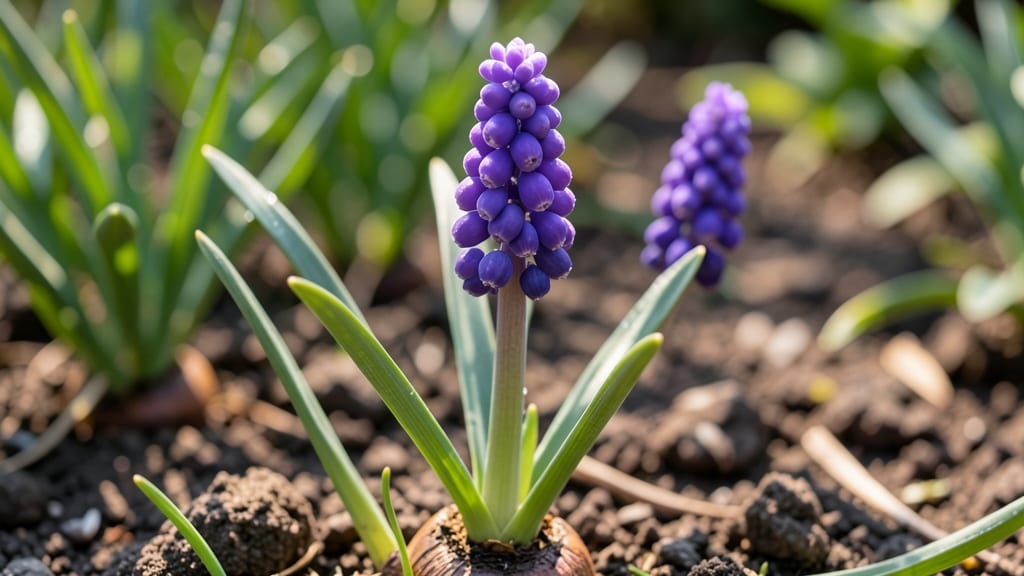
Muscari grape hyacinth might look like a tiny, purple grape cluster, but its compact form is a squirrel’s worst nightmare. Unlike loose-flowered bulbs, these dense spikes are too tight for rodents to strip—making them a perfect choice for small spaces where squirrels might otherwise dig.
Plant them in rock gardens, containers, or understory areas where their blue-green foliage and vibrant purple blooms add texture without taking over. They thrive in partial shade and well-draining soil, multiplying over time for a low-maintenance pop of color. The key? Their tight clusters simply don’t offer easy access for hungry squirrels. 🌱
Tulipa Clusiana Lady Jane: Furry Coating Deters Digging
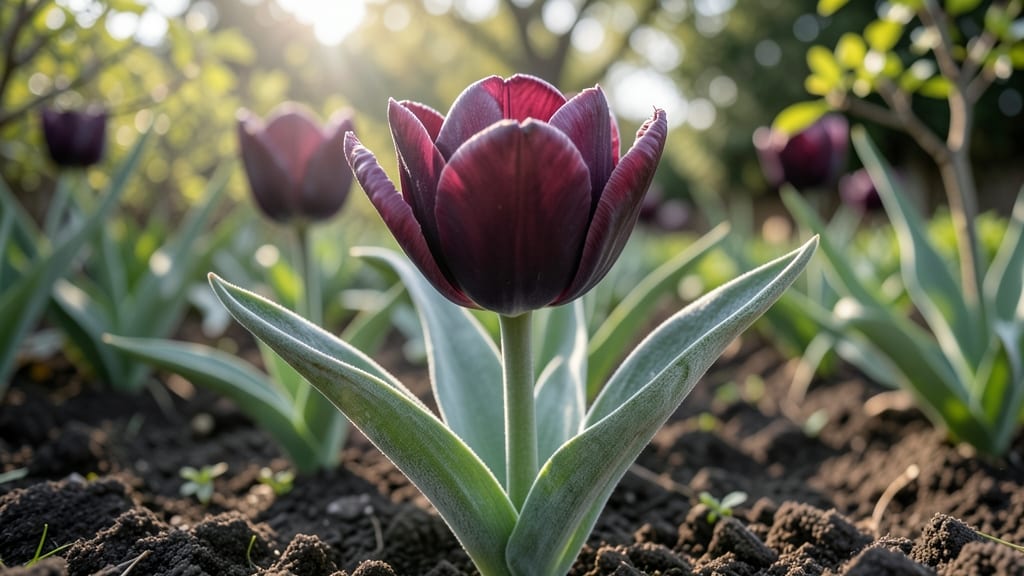
If you’re tired of squirrels digging up your prized tulips, Tulipa Clusiana Lady Jane might just be your secret weapon. This rare beauty features velvety petals and fuzzy leaves that squirrels find unappealing—naturally deterring them while adding a touch of elegance to your garden.
Plant these early spring bloomers in shaded or partially shaded areas where they’ll thrive without competing for sunlight. Their striking deep red and white striped flowers also make them a stunning cut flower for indoor arrangements, lasting up to a week in a vase. The bulbs are small but hardy, perfect for rock gardens or woodland edges where squirrels rarely dig.
Urban gardeners and shade-loving plant enthusiasts will appreciate this low-maintenance, squirrel-proof option that delivers bold color without the fuss. 🌷
Crocus Tommasinianus: Deep-Planted Bulbs Hard to Reach
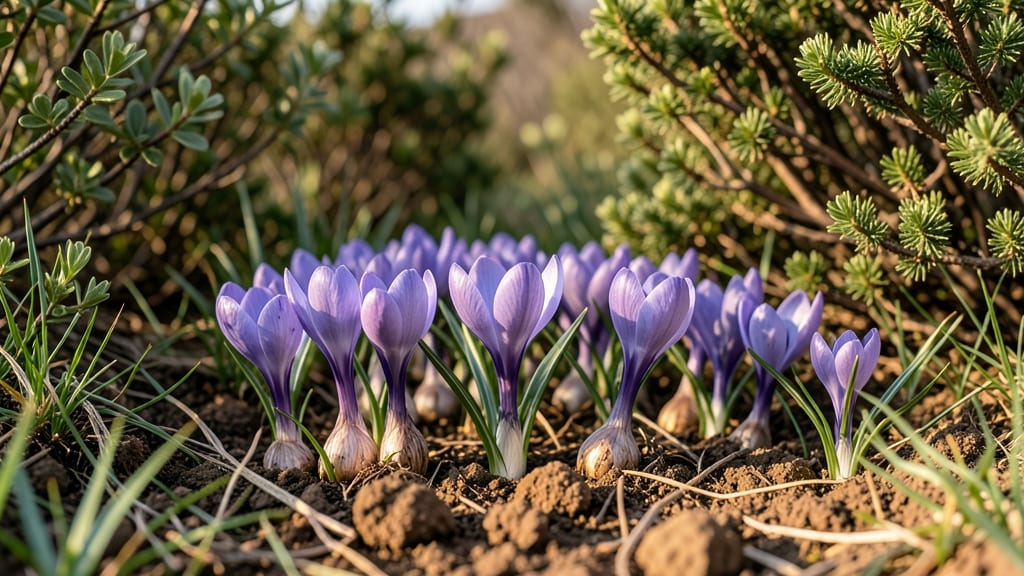
Struggling to protect bulbs in areas where squirrels rule the soil? Crocus tommasinianus solves this problem by growing its bulbs deep underground—so deep that even determined diggers give up trying to reach them. This purple gem thrives in lawns, meadows, or under shrubs where squirrels rarely venture, making it one of nature's sneakiest squirrel-resistant plants.
Plant bulbs 6-8 inches deep in well-draining soil and watch them naturalize over time, creating year-round ground cover with grass-like foliage and early spring blooms that attract pollinators. The deep-rooted habit means no extra protection is needed—just plant and forget, knowing your crocuses will return reliably year after year. Perfect for busy gardeners or those with squirrel-heavy yards who want effortless color.
This low-maintenance crocus is especially valuable for urban gardeners or those with limited space, as it thrives in partial shade and even tolerates light foot traffic. Let it naturalize for a self-sustaining display of purple blooms that squirrels simply can't reach. ✨
Scilla Siberica: Mild Toxicity Protects Blooms
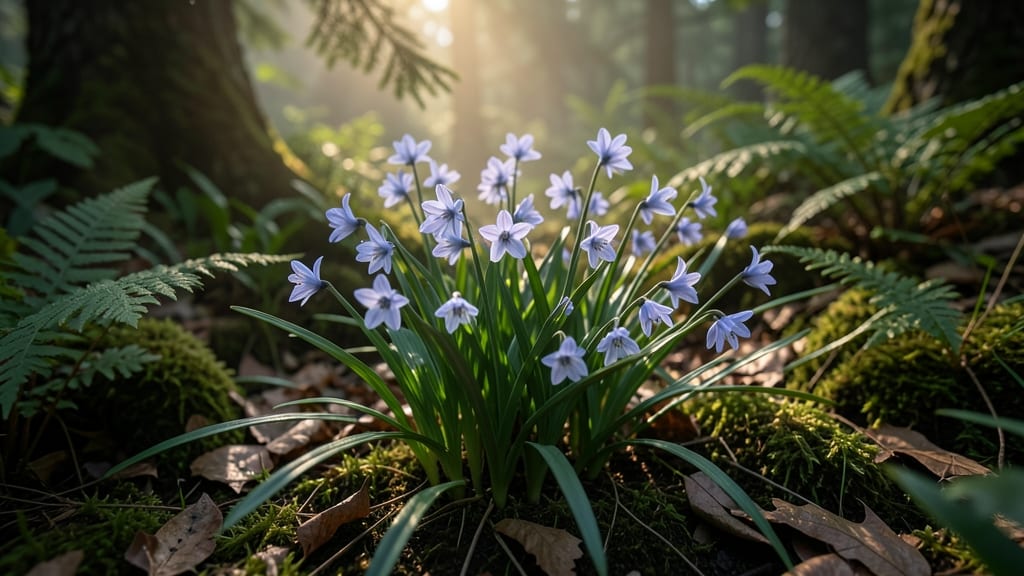
If you love the look of woodland gardens but dread squirrel raids, Scilla Siberica is your secret weapon. These delicate blue star-shaped blooms contain mild natural toxins that squirrels instinctively avoid, making them one of nature’s best squirrel deterrents.
Thriving in moist, shady spots, Scilla Siberica multiplies easily under trees or near ponds, creating naturalized drifts of early spring color. Plant bulbs 3-4 inches deep in well-draining soil, and you’ll get 3-4 weeks of blooms before foliage fades—no summer maintenance required.
Perfect for gardeners who want low-effort shade plants that squirrels ignore, these bulbs also attract pollinators like bees. 💚
Lilium Martagon Turk’s Cap Lily: Spiky Blooms Squirrels Avoid
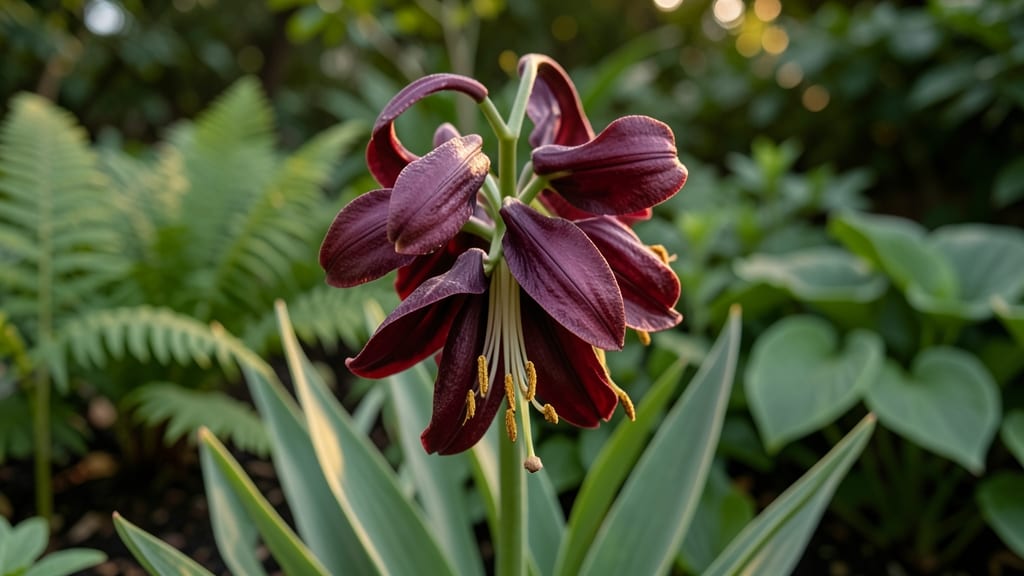
If you’ve ever watched squirrels raid your garden beds, the Lilium martagon Turk’s cap lily might just be your secret weapon. Its wild, nodding blooms with backward-facing tepals create a confusing visual feast for foraging rodents, making it a natural deterrent without chemical interventions.
These late-summer bloomers thrive in partial shade to full sun and naturalize beautifully in cottage gardens or woodland edges. The spiky, spotted flowers not only baffle squirrels but also attract hummingbirds and butterflies, adding dual functionality to your garden. Plant bulbs in fall at 4-6 inches deep for best results.
Perfect for gardeners seeking drama without the pest problems, Turk’s cap lilies bring year-round interest—even dried stems hold appeal in winter. 🌻
Galanthus Elwesii Giant Snowdrop: Late Bloomer Squirrels Ignore
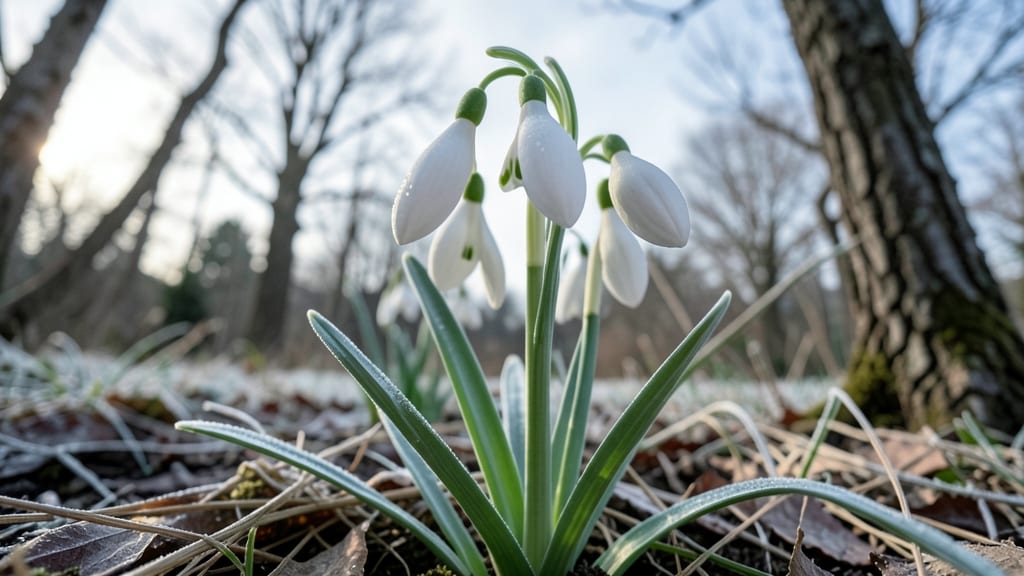
When squirrels have moved on to spring foraging, Galanthus elwesii (Giant Snowdrop) emerges as a winter garden hero, blooming reliably in late January through March—right when rodents are less active. These towering snowdrops (up to 20 inches tall) bring dramatic early interest without competing with spring bulbs.
Plant them in partial to full shade under trees or along woodland edges, where their glossy, sword-like leaves and nodding white flowers create striking contrast against dark soil. The bulbs thrive in moist, well-drained soil and multiply over time, forming naturalizing colonies that squirrels ignore completely. Their height also makes them ideal for underplanting shrubs like Hellebores or Ferns.
Perfect for gardeners who want year-round structure and early color, these snowdrops reward patience with their bold presence—no rodent raids required. 🌱
Erythronium Dens-Canis Dog’s Tooth Violet: Camouflaged Growth

If you dream of a woodland garden that thrives with almost no effort, Erythronium dens-canis—commonly called dog’s tooth violet—is your secret weapon. This bulb’s mottled, heart-shaped leaves and hidden bulbs blend seamlessly into leaf litter, making them nearly invisible to squirrels and other pests.
The white and pink nodding flowers emerge in early spring, adding delicate color before fading into the forest floor. Plant them in partial to full shade under trees or shrubs, where their natural camouflage keeps them safe from digging rodents. They’re perfect for low-maintenance gardens or areas where you want to mimic a wild, undisturbed woodland.
This bulb is ideal for gardeners who love native plants or want to create a serene, low-traffic corner of their yard. With minimal care, it rewards you with easy beauty that squirrels will overlook. 🌱