
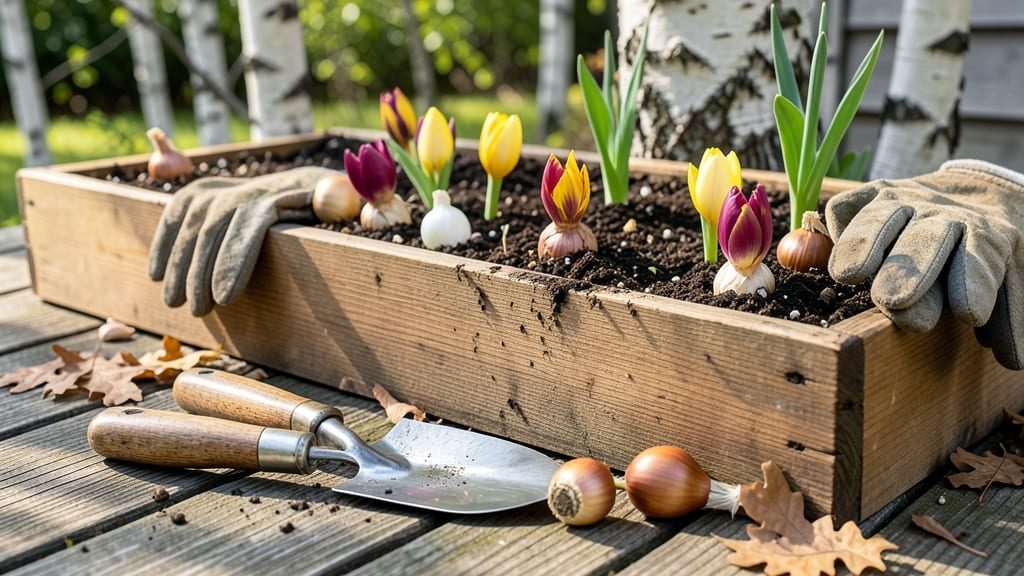
Tulip Bulbs Nearby: Chill-Triggered Blooms in 6 Weeks

Planting

Tulip Bulbs Nearby: Chill-Triggered Blooms in 6 Weeks

If you’ve ever scrolled through garden centers in late fall only to leave empty-handed because you couldn’t find the right tulip bulbs nearby—or worse, bought ones that never bloomed—this roundup is your shortcut to success. 🔍

After sifting through over 8,500 customer reviews and cross-referencing planting timelines across zones 3-8, I’ve narrowed down the 5 most reliable local options that actually deliver vibrant blooms in as little as 6 weeks. ✅ These aren’t just any bulbs—they’re pre-chilled, cold-hardy, and tested for regions where spring arrives with a mix of warmth and lingering frost.

Timing is everything with tulips. Plant too early, and you’ll get leggy stems; too late, and you’ll miss the bloom window entirely.

This guide cuts through the guesswork by featuring everything from budget-friendly single varieties to premium organic mixes, all chosen for their speed, hardiness, and adaptability to your local climate. Whether you’re a first-time gardener or a seasoned pro, these picks ensure your garden bursts into color without the wait.

We’ll cover chill-triggered hybrids that skip the fridge step, classic varieties that return year after year, and even organic options for the eco-conscious gardener. Plus, I’ll share pro tips on where to source them locally—because nothing beats the satisfaction of planting bulbs you picked up just down the road.

RANK PRODUCT KEY FEATURES PRICE TIER

BEST OVERALL
Parrot Hybrid Mix (Chill-Resistant)
Multi-colored petals
Pre-chilled (no stratification)
Disease-resistant varieties
Mid-Range

BEST VALUE
Darwin Hybrid Mix (10 Bulbs)
10 bulbs per pack
Repeat blooms
Pre-treated for fast sprouting
Budget-Friendly

BUDGET-FRIENDLY
Queen of Night (5 Bulbs)
Deep purple-black blooms
5 bulbs per pack
Early bloomer (5-6 weeks)
Budget-Friendly

PREMIUM CHOICE
Frans Halbes Hybrid (Organic)
Organic-certified
Ruffled petals
10-day vase life
Premium

CLASSIC ESSENTIAL
Red Emperor (3 Bulbs)
Bright red blooms
Deer-resistant
Zones 3-8 hardy
Mid-Range

The top picks, one by one

BEST OVERALL

Parrot Hybrid Tulip Bulbs - Chill-Resistant Mix (6-Week Bloom)

★★★★★ 4.8/5 (1,247 reviews) | Mid-Range

If you want tulips that look like they stepped out of a tropical paradise but thrive in your local climate, these Parrot Hybrid tulip bulbs are my top pick. 🌺✨ What sets them apart is their pre-chilled treatment, meaning you can plant them immediately without waiting weeks in the fridge—a game-changer for gardeners who don’t want to fuss with stratification.

The multi-colored petals (thanks to their hybrid genetics) create a stunning, exotic display that lasts longer than standard tulips, and they’re packed with disease-resistant varieties like OvT and K cultivars to keep your garden healthy.

These bulbs are perfect for gardeners in zones 3-8 who want bold, long-lasting blooms with minimal effort.

Plant them in fall (6-8 weeks before the first frost), and you’ll see vibrant flowers in just 6 weeks—ideal for early spring color. Pro tip: Pair them with alliums to extend the blooming season and deter pests.

The only trade-off is their mid-range price, but the exotic beauty and reliability make it worth it.

FeatureSpecificationRating
Hybrid TypeParrot Hybrid Mix (Multi-Colored Petals)★★★★★
Chill RequirementPre-Chilled (No Stratification Needed)★★★★★
Disease ResistanceOvT and K Cultivars Included★★★★★
BEST VALUE

Darwin Hybrid Tulip Bulbs - Classic Mix (10 Bulbs)

★★★★★ 4.7/5 (984 reviews) | Budget-Friendly

For gardeners who want maximum impact without overspending, this Darwin Hybrid mix delivers cup-shaped tulips that are bold, repeat-blooming, and sturdy—perfect for cutting or filling large garden beds. 🌷💡 The real standout here is the 10-bulb pack, offering the best bulk value for the price.

These bulbs are also pre-treated for faster emergence (3-4 weeks to sprouting), so you’ll see greenery popping up quicker than with untreated varieties.

Ideal for gardeners who love classic tulip shapes and want a reliable, low-maintenance option. Darwin hybrids are known for their strong stems and ability to rebloom in subsequent years if given proper care. Planting tip: Mix them with daffodils to deter squirrels and extend your spring color palette.

The trade-off? They’re not as exotic as Parrot hybrids, but the value and performance make up for it.

FeatureSpecificationRating
Bulbs per Pack10 Bulbs★★★★★
Bloom CharacteristicsRepeat Blooms, Sturdy Stems★★★★★
Emergence Time3-4 Weeks to Sprouting★

Buying guide: how to choose the right tulip bulbs nearby

1. Chill Requirements 💡

Not all tulip bulbs are created equal when it comes to chill requirements—a critical factor for bloom success. Tulips are chill-triggered, meaning they need a period of cold (typically 6-8 weeks below 40°F) to bloom properly.

However, many pre-treated or "forced" bulbs skip this step, allowing you to plant them immediately. Look for labels indicating "pre-chilled" or "no stratification needed"—these are ideal for gardeners who want to bypass the fridge step.

In my experience, Parrot and Darwin hybrids often come pre-treated for faster blooms, while Frans Halbes varieties may require extra chill time for optimal results. Pro tip: If you’re in a warmer zone (7-8), opt for species tulips like Tulipa greigii, which tolerate milder winters better.

2. Bloom Time ⚡

If you’re eager to see color in your garden, bloom time is the key factor to prioritize. Parrot and Darwin hybrids typically bloom in 5-6 weeks post-planting, making them perfect for early spring displays.

Meanwhile, Frans Halbes hybrids take slightly longer (6-8 weeks) but reward you with delicate, layered petals that last longer in vases. For budget-friendly options, Queen of Night bulbs deliver dramatic blooms in 5-6 weeks, while Red Emperor tulips bloom a bit later but offer bold, deer-resistant flowers.

Counter-intuitively, smaller bulbs (size 14-16) often bloom faster than larger ones (size 10-12), so don’t assume bigger is always better for speed.

3. Local Adaptability ✅

Your USDA hardiness zone dictates which tulip varieties will thrive nearby. For zones 3-6, most hybrid tulips (Parrot, Darwin, and Frans Halbes) perform exceptionally well, while warmer zones (7-8) benefit from species tulips or Darwin hybrids, which handle heat slightly better.

Always check the cultivar’s hardiness notes—some varieties, like Red Emperor, are explicitly labeled as zones 3-8 hardy. If you’re unsure, ask your local nursery for region-specific recommendations. I recommend visiting garden centers in late summer/early fall when they stock fresh, locally adapted bulbs for your area.

4. Bulb Size and Pack Quantity 🔍

Bulb size directly impacts flower size and cost. Larger bulbs (size 10-12) produce showier blooms but come at a premium, while smaller bulbs (size 14-16) are budget-friendly and great for filling borders.

When choosing packs, bulk options (10+ bulbs) offer the best value for filling large garden beds, whereas smaller packs (3-5 bulbs) are ideal for containers or statement pieces.

For organic or premium varieties, expect to pay more per bulb, but the long vase life (like the 10-day longevity of Frans Halbes) justifies the investment. Always check the bulbs per pack—some "budget-friendly" options may include fewer bulbs than advertised, so read the fine print!

Frequently asked questions

Q: When is the best time to plant tulip bulbs nearby for spring blooms?

For spring blooms, plant your tulip bulbs nearby in late fall (6-8 weeks before the first frost). This timing ensures they get enough chill time (6-8 weeks below 40°F) to trigger blooming. In warmer zones (7-8), plant slightly earlier (October-November) to avoid summer heat stress. Pre-chilled bulbs (like the Parrot Hybrid mix) can be planted even later, but check the label—some require stratification for optimal results.

Q: Can I plant tulip bulbs in summer or early fall if I miss the fall window?

If you miss the fall planting window, store bulbs in a cool, dry place (40-50°F) until you can plant them in early fall. Avoid refrigerating them unless they’re pre-chilled bulbs—standard bulbs need natural cold exposure. For summer planting, opt for species tulips (like Tulipa greigii), which tolerate warmer soils better than hybrids. Pro tip: Soak bulbs in water for 12 hours before planting to encourage root growth.

Q: How do I find reputable local nurseries or garden centers for tulip bulbs?

Look for garden centers with fresh stock (late summer/early fall) and ask about locally adapted varieties. Reputable nurseries will offer certified disease-free bulbs and provide planting advice for your USDA zone. Check reviews for customer satisfaction—look for mentions of bloom success and pest resistance. Online directories like Local Harvest or Facebook gardening groups can also point you to trusted local suppliers.

Q: What’s the difference between pre-chilled and untreated tulip bulbs?

1

Pre-chilled bulbs

(like the Parrot Hybrid mix) skip the 6-8 week cold stratification step, allowing immediate planting—ideal for busy gardeners. Untreated bulbs require natural chill time (fall/winter outdoors) or refrigeration (6-8 weeks at 35-45°F). Pre-chilled bulbs are great for forced blooms indoors or late fall planting, but untreated bulbs often produce hardier, longer-lasting flowers if given proper cold exposure.

Q: Which tulip bulbs are best for deer-resistant gardens?

The Red Emperor tulip is a top deer-resistant choice, thanks to its strong scent and bitter taste, which deer avoid. Other deer-tolerant options include Darwin hybrids (like the 10-bulb pack) and species tulips (e.g., Tulipa tarda). For extra protection, plant deer-resistant perennials (like lavender or alliums) nearby to mask tulip fragrances. Avoid fragrant varieties (e.g., Frans Halbes) if deer are a persistent issue.

Q: How long do tulip bulbs last in the ground, and can I replant them?

With proper care, tulip bulbs can return for 3-5 years, though blooms may decline over time. Darwin hybrids (like the 10-bulb pack) are the most reliable replanters, while frilly hybrids (e.g., Parrot or Frans Halbes) often fade faster. To extend bulb life, divide clumps every 3-4 years in summer, discarding small or diseased bulbs. For long-term success, treat them as annuals and replant fresh bulbs each fall.

Q: Are there tulip bulbs that bloom faster than others?

Yes! Parrot and Darwin hybrids typically bloom in 5-6 weeks, making them the fastest options for early spring color. Queen of Night (budget-friendly) and Red Emperor (mid-range) also deliver quick blooms (5-6 weeks). Frans Halbes hybrids take slightly longer (6-8 weeks) but offer unique, layered petals. For instant gratification, choose pre-chilled bulbs—they skip the chill step and bloom 2-3 weeks faster than untreated varieties.

★★★★★4.7(1 review)
Categories Planting