
Plants
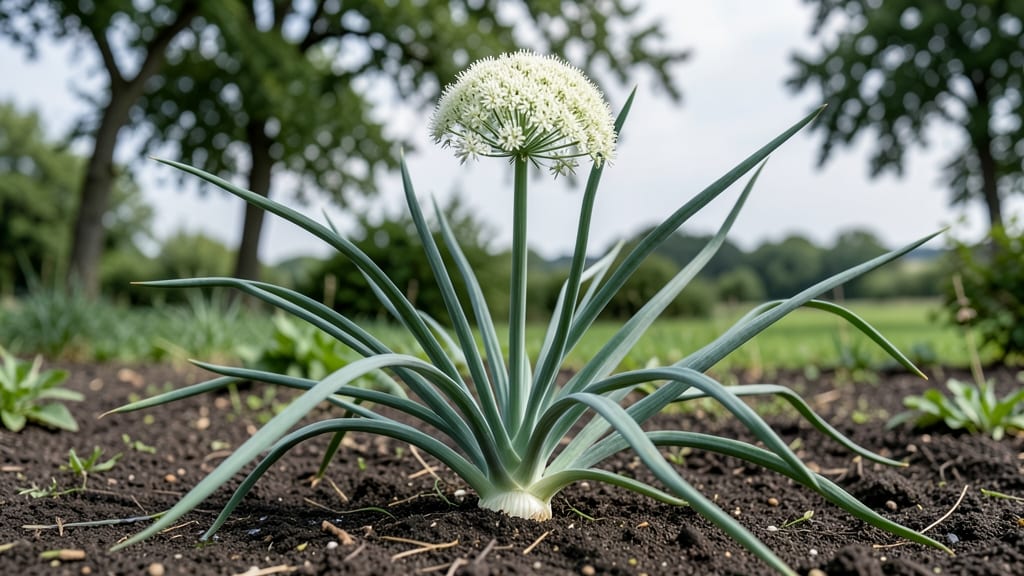
Allium bulbs look like small, papery-skinned spheres with layered, onion-like segments inside, varying from pea-sized in garlic chives to golf-ball-sized in storage onions. Their skins range from white to brown or purple, and they differ from scallions (which have elongated necks) or garlic (which has flat cloves).
Allium bulbs come in a surprising range of forms, from tiny clusters to single large globes. 🌱 The papery outer layers protect the delicate layers inside, which can be tightly packed (like in onions) or loosely arranged (as in shallots).
Gardeners often confuse them with seeds, but bulbs are the mature, dormant storage organs that grow from the base of the plant—think of them as nature's built-in food storage. Knowing these visual cues helps you pick the right variety for your garden or kitchen needs.
For example, garlic chives produce tiny, almost translucent bulbs that resemble miniature onions, while storage onions develop thick, papery skins that can withstand long-term storage. The key is paying attention to both size and skin texture—thinner skins often mean milder flavor, while thicker skins suggest stronger, longer-lasting varieties.
💡 In This Article
- Key Visual Differences Between Allium Bulb Types
- How to Identify Allium Bulbs in Soil or Seed Packets
Key visual differences between allium bulb types
The most striking visual difference between allium bulbs lies in their internal structure. Onions, for example, grow as a single, compact bulb with concentric layers that resemble an onion's rings—each layer represents a growth cycle.
These bulbs typically measure 1.5 to 3 inches in diameter when mature, with skins ranging from white to deep purple, depending on the variety. The papery texture of these skins acts as a natural barrier against moisture loss and pests, preserving the bulb's freshness for months.
Shallots, on the other hand, form clusters of smaller bulbs connected at the base, resembling a mini onion family. Each individual bulb in a shallot cluster is usually 0.5 to 1.5 inches wide, with a smoother, more translucent skin that often appears pinkish or coppery.
Garlic takes this clustering to another level, with 10 to 20 flat, papery-clad cloves wrapped tightly around a central stem. Unlike onions or shallots, garlic cloves don't form a round bulb but instead grow in a segmented, elongated shape that feels almost like a tiny bulb train.
Skin color is another dead giveaway for identification.
White-skinned varieties like white onions or white garlic are milder in flavor, while brown or purple skins (like red onions or purple shallots) often indicate stronger, more pungent flavors. 🌿 The thickness of the skin also matters—thicker skins, like those on storage onions, suggest varieties bred for durability, while thinner skins (common in green onions or chives) hint at quicker cooking times and fresher, more delicate tastes.
Size plays a critical role in how you'll use the bulb. Tiny bulbs like those from garlic chives (pea-sized) are perfect for garnishes or quick sautéing, while larger bulbs (like golf-ball-sized storage onions) are ideal for long-term storage or slow-cooked dishes.
Even the way bulbs split open when cut reveals their identity—onions separate into clean, layered slices, while shallots and garlic cloves pull apart more irregularly, with each segment retaining its own distinct shape and size.
Texture is another key differentiator. Fresh bulbs feel firm yet slightly yielding to pressure, like a ripe avocado. Dried or old bulbs, however, become shriveled and lightweight, with skins that peel away easily—this is a clear sign the bulb has lost moisture and flavor.
The aroma also shifts with age: fresh bulbs emit a crisp, sharp scent, while stale ones smell dull and flat.
For gardeners, these visual cues help predict growth patterns. Smaller bulbs (like those from chives or scallions) often produce multiple shoots, while larger bulbs (like storage onions) focus their energy on a single, robust plant.
This knowledge lets you plan your garden layout—placing smaller bulbs in tight spaces and larger ones where they have room to mature.