
Planting
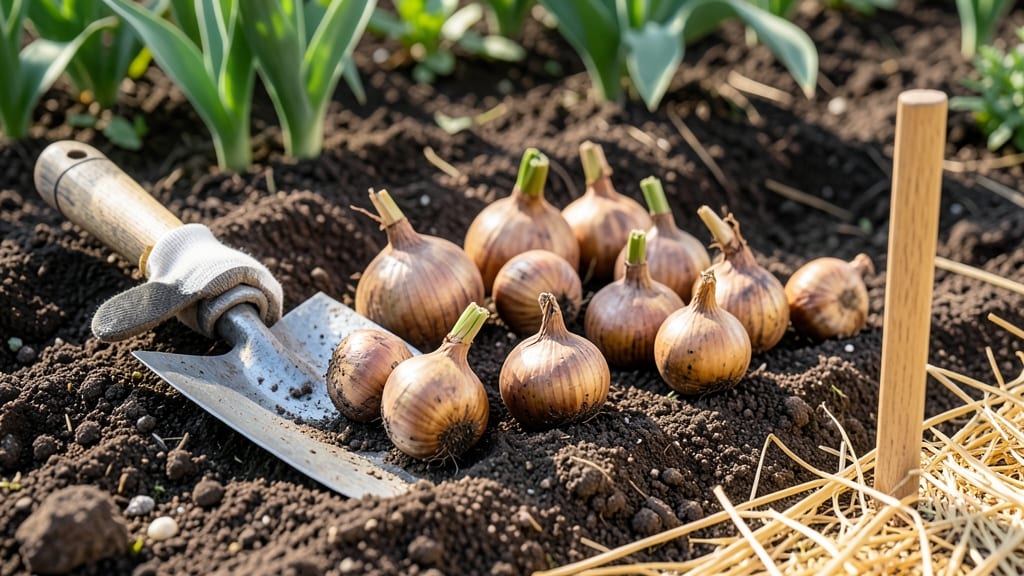
Planting tulip bulbs in what month do you plant tulip bulbs the fall is the key to those showstopping spring blooms—but timing matters more than you might think.
If you’ve ever waited all winter for tulips that never appeared, you’re not alone. The secret lies in a little thing called chill hours, which is why planting too early or too late can leave your garden looking bare.
In Zone 6a, the window to plant is tight: between October and November, when soil temps drop below 60°F.
This isn’t just about the calendar—it’s about giving your bulbs the 6-16 weeks of cold they need to break dormancy. Too warm, and they’ll sprout too soon; too cold, and they might not wake up at all.
Below, I’ll break down the exact months for your region, how to prep soil for success, and the one trick that saves bulbs in mild winters.
Ready to turn your yard into a springtime explosion of color? Let’s get those tulips 🌷 in the ground the right way.
Best months to plant tulip bulbs by US hardiness Zones
Planting tulip bulbs at the right time ensures they get the chill hours they need to bloom spectacularly next spring. The best window is typically 4-6 weeks before your first hard frost, but this varies dramatically by USDA hardiness zone.
In colder zones, you might plant as early as September, while warmer climates can wait until December—but timing is everything for those early vs. late varieties.
For gardeners in Zones 3-5, where winters are harsh, aim to plant tulip bulbs between mid-September and mid-October. This gives them enough time to root before the ground freezes.
In Zones 6-8, where winters are milder, you can extend planting into November, but avoid planting too late—bulbs need 6-16 weeks of cold to break dormancy.
Here’s a quick comparison of planting windows by zone, including adjustments for early bloomers (like Darwin Hybrids) and late varieties (such as Parrot Tulips), which may need slightly different timing.
If you’re in Zone 9 or warmer, where winters are barely cold enough, you’ll need to pre-chill bulbs for 8-12 weeks at 35-45°F before planting. This mimics the natural winter chill they’d get in colder zones.
For example, in Zone 9, plant bulbs in January or early February after pre-chilling—this ensures they’ll still bloom on time.
For Zone 5 gardeners, where winters are brutal, focus on planting by mid-October. Late planting can leave bulbs vulnerable to rodent damage or poor root establishment.
In contrast, Zone 7 gardeners can push planting into November, but avoid waiting until December—bulbs need time to root before winter sets in.
One common mistake is planting too early, which can cause bulbs to sprout and get damaged by early frosts. Conversely, planting too late risks bulbs not getting enough chill time, leading to weak or no blooms.
Always check your last frost date and adjust accordingly—aim for 6-8 weeks before frost for best results.
Pro tip: Mark your planting dates on a calendar and set reminders. Tulip bulbs are perennial, but they perform best with consistent care. If you miss the ideal window, don’t panic—just pre-chill bulbs and plant as soon as possible.
With the right timing, you’ll be rewarded with vibrant tulips that brighten up your garden for years to come.
🌷
Tulip bulb chill requirements: how cold do they need?
Tulips thrive when they experience a cold dormancy period, typically 6-16 weeks below 40°F. This chill requirement mimics their natural growing cycle in temperate climates, ensuring robust blooms the following spring. Without adequate cold exposure, bulbs may fail to flower or produce weak stems.
Different tulip varieties have varying chill needs. For example, Darwin Hybrid tulips often require 12-16 weeks of cold, while Parrot tulips may need 8-12 weeks. Understanding these differences helps you select the right varieties for your climate and storage methods.
| Variety | Chill Hours Needed | Best For |
|---|---|---|
| Darwin Hybrids | 12-16 weeks | Cold climates (Zones 3-6) |
| Parrot Tulips | 8-12 weeks | Mild winters (Zones 7-9) |
| Fransen Tulips | 10-14 weeks | Transitional zones (Zones 6-8) |
| Emperor Tulips | 14-16 weeks | Northern climates (Zones 3-5) |
If you live in a warm climate with minimal winter chill, you can simulate dormancy by storing bulbs in a refrigerator for 10-12 weeks. Place them in a paper bag with sphagnum moss or peat, checking periodically for moisture.
This method works well for Zones 8-10 where natural cold exposure is limited.
For gardeners in mixed climates, like Zone 7, plant bulbs in late fall when temperatures consistently drop below 50°F. This gives them a head start on dormancy before winter sets in fully. Mulch heavily with straw or leaves to insulate bulbs and retain moisture.
Monitor your local frost dates and aim to plant bulbs 4-6 weeks before the first frost. In Zone 5, this might mean planting in late October, while in Zone 9, you may need to plant as early as September to ensure sufficient chill.
Adjust based on your microclimate and past weather patterns.
Once planted, avoid disturbing the soil until spring. Overwatering or early spring fertilization can encourage premature growth, which weakens bulbs before they’ve completed their chill period. Patience is key—let nature’s cold do the work for you.