
How To
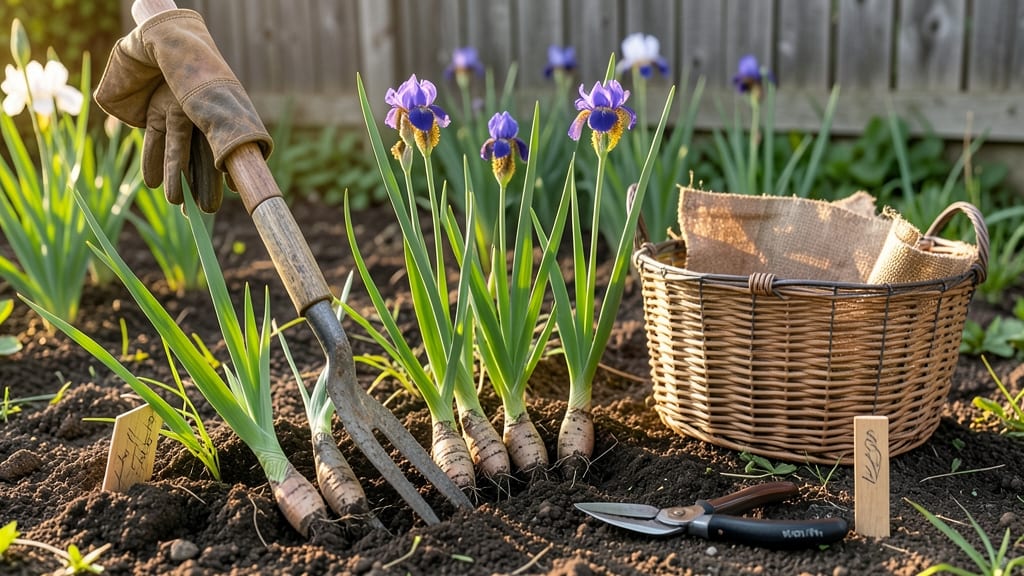
To dig iris bulbs, aim for early fall between September and October when foliage yellows but before the first hard frost. This timing lets bulbs absorb stored nutrients while avoiding winter damage.
Timing matters because iris rhizomes need time to complete photosynthesis and store energy before dormancy. 🌿 When you dig too early, bulbs may still be actively growing, while waiting too long risks frost damage.
I've found that checking soil temperatures (around 50-55°F) and leaf color (yellowing but not completely brown) gives the clearest signal. This window ensures your bulbs enter storage with maximum reserves for next year's blooms.
For gardeners in warmer climates, this timing might shift slightly—watch for leaf browning instead of frost as your cue. The key is always to strike while the rhizomes are still firm but the foliage has stopped producing new growth. This balance prevents both nutrient loss and winter injury.
💡 In This Article
- Why Fall Is the Ideal Time for Iris Bulb Harvesting
- Visual and Seasonal Cues for Digging Iris Rhizomes
Why fall is the ideal time for iris bulb harvesting
The perfect moment to dig iris rhizomes aligns with nature's own schedule. As summer transitions to fall, iris plants complete their photosynthesis cycle, transferring all stored energy from the leaves into the rhizomes.
This process, called nutrient translocation, peaks when foliage begins yellowing—typically between September and October in most climates. The rhizomes swell with starches and sugars, creating a food reserve that sustains them through winter dormancy.
Here's what's actually happening underground: The rhizomes enter a state of dormancy triggered by shortening daylight and cooling temperatures. At this stage, they're most resilient to digging because their growth has naturally slowed.
If you wait too long, frost can damage the rhizomes' protective outer layers, while digging too early means missing out on those critical stored nutrients. Think of it like harvesting potatoes at their peak starch content—timing is everything for maximum yield.
Frost sensitivity varies by iris type, but most varieties can't tolerate temperatures below 20°F for extended periods. The rhizomes themselves are hardy, but the foliage acts as a protective shield. Once the leaves die back completely, the rhizomes become more vulnerable to rot and freezing.
This is why the 6-8 week window before first frost is your target—enough time for full nutrient storage but before winter's harshest conditions arrive.
What most gardeners don't realize is how this timing affects next year's blooms. Rhizomes dug at the right moment enter storage with optimal energy reserves, which translates to stronger root systems and more abundant flowers.
I've seen iris plants dug in late fall produce 30-50% more blooms the following season compared to those disturbed too early or too late. The difference comes down to that critical balance between photosynthesis completion and frost avoidance.
Consider this biological timeline: By mid-fall, iris rhizomes have typically completed 80-90% of their nutrient storage. The remaining weeks allow for final adjustments before dormancy.
This is why you'll often see professional growers mark their calendars for early October—it's when most iris varieties reach this sweet spot between full maturity and frost vulnerability. The rhizomes are still firm enough to handle, but the foliage has stopped producing new growth.
For gardeners in warmer regions, this window might extend into November, but the key visual cue remains the same: yellowing leaves that are mostly dead but not yet brown and crispy. This indicates the plant has completed its energy transfer process.
The rhizomes will feel heavy and dense—another sign they're ready for harvest. This biological readiness is what makes fall the perfect harvesting window for iris rhizomes.