
Planting
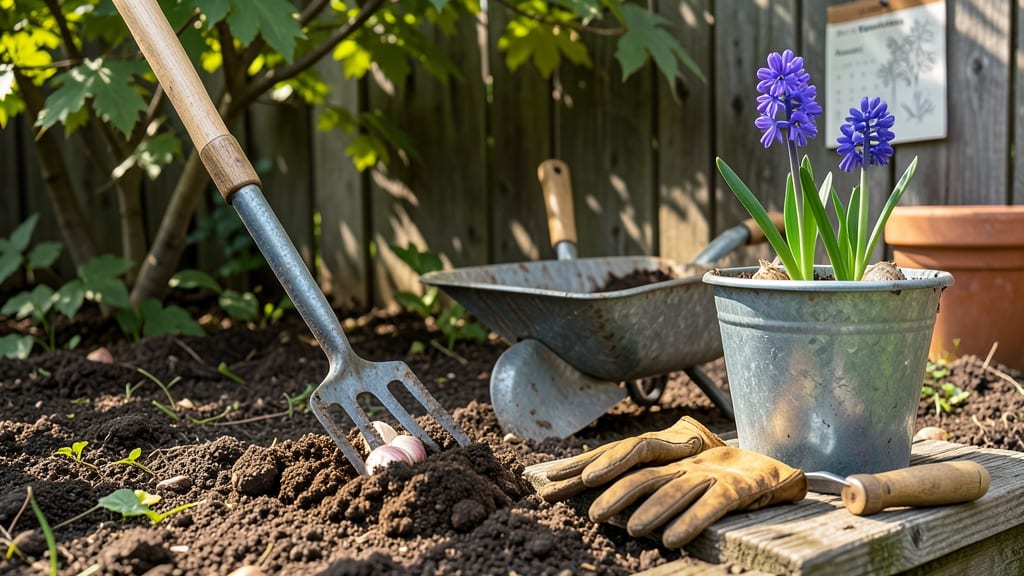
Dig up hyacinth bulbs 6 to 8 weeks after flowering—that’s the golden window to protect their strength for next year’s vibrant blooms.
Hyacinth bulbs are the unsung heroes of spring gardens—until you forget to dig them up at the right time, risking rot or poor blooms next season. Timing is everything, and getting it wrong could mean missing out on fragrant, vibrant flowers for years to come.
Most gardeners wait until the foliage turns yellow and withers, a sure sign the bulb has stored enough energy for dormancy. But if frost hits before you dig, the bulbs may rot in the ground. Knowing your local frost dates is the key to avoiding this common mistake.
In this guide, I’ll walk you through the exact frost-free timeline, how to spot ready bulbs, and the best storage tricks to ensure your hyacinths return stronger than ever.
The ideal frost-free timeline for digging up hyacinth bulbs
Timing is critical when digging up hyacinth bulbs—wait too long, and you risk rot or pest damage; dig too early, and you stunt next year’s blooms. The frost-free window is your golden opportunity, typically 6-8 weeks after flowering when foliage naturally yellows.
This guide breaks down the exact USDA zone-by-zone timeline and regional adjustments to ensure your bulbs store perfectly until replanting.
In most Northern states (USDA Zones 3-6), aim to dig hyacinths 4-6 weeks before the first frost, usually between late August and mid-October. Southern gardeners (Zones 7-10) have more flexibility, with a wider window from September to November.
The key is to act before foliage freezes, as frozen leaves signal the bulb’s energy reserves are depleted for the season.
Soil conditions also play a role—dry, well-draining soil speeds up the process, while clay-heavy or waterlogged soil can delay bulb maturation. If your area experiences early or late frosts, monitor your plants closely and adjust your timeline accordingly. For example, gardeners in Zone 5 might need to dig by mid-September, while Zone 8 gardeners can wait until November.
For container-grown hyacinths, the timeline shifts slightly—dig when 60% of foliage yellows, usually 2-3 weeks earlier than in-ground bulbs. Containers dry out faster, accelerating the bulb’s natural dormancy cycle. If you’re unsure, gently squeeze the bulb—it’s ready when it feels firm and dry to the touch.
In Southern climates (Zones 9-10), where winters are mild, you might see new shoots in late fall. This is a sign the bulb is not fully dormant—wait until after these shoots die back before digging.
Conversely, Northern gardeners (Zones 3-5) should prioritize speed: dig within 1-2 weeks of foliage yellowing to avoid early frosts.
Pro tip: Mark your hyacinth beds with flags or stakes when you plant them in fall. This makes it easier to locate bulbs in summer and dig them up without damaging surrounding plants.
Over the years, I’ve found that sketching a simple map of my garden layout in a notebook saves time and stress during harvest season.
If you’re in a transition zone (e.g., Zone 6b), err on the side of earlier digging. These areas often experience unpredictable frost patterns, and bulbs left too long in the ground risk rot or rodent damage.
For extra protection, consider covering beds with straw mulch in late summer to insulate bulbs while they mature.
Finally, avoid digging in wet soil—it sticks to bulbs and encourages mold. Wait for a dry, sunny day to make the process cleaner and reduce stress on the bulbs. Once dug, let them cure in a dry, shaded
Signs your hyacinth bulbs are ready (or not) to be dug up
Knowing when to dig up your hyacinth bulbs can mean the difference between next year’s stunning blooms and wasted effort. The key is watching for foliage changes and understanding your local frost timeline.
If you dig too early, the bulbs won’t store properly, and if you wait too long, frost damage can ruin them entirely.
Start by observing the leaf color—healthy green leaves mean the bulb is still actively growing and not ready. But when the foliage turns yellow-brown and starts to wither, that’s your first sign it’s time to act. This usually happens 6-8 weeks after flowering, depending on your climate zone.
⚠️ callout warning ⚠️
Hyacinth bulbs are frost-sensitive even after foliage dies back. If you wait until after the first frost, the bulbs can rot or develop mold in storage. In USDA Zones 3-5, aim to dig them up 4-6 weeks before the average first frost date.
For containers, lift bulbs slightly earlier since they dry out faster than in-ground plantings. Always cure them in a dry, shaded spot for 1-2 weeks before storing.
Another key test is the bulb firmness check. Gently squeeze the bulb—if it feels soft or mushy, it’s already rotting and should be discarded. A firm, dry bulb is ready for storage. This tactile check is especially important for bulbs in containers, where moisture can linger longer.
If you’re unsure, mark your calendar for late summer (around August-September in most regions). This gives bulbs enough time to replenish energy before winter. For Southern climates, where frost comes later, you might have until October, but always prioritize digging before the first frost.
One common mistake is assuming bulbs are ready just because the flowers have faded. The foliage must fully die back—this is when the bulb stores nutrients for next year’s blooms. If you dig too soon, you’ll miss this critical process and weaken the bulb.
For container-grown hyacinths, the process is slightly different. Since pots dry out faster, check for readiness 1-2 weeks earlier than in-ground bulbs. After lifting, let them dry in a well-ventilated area for a few days before storing in a cool, dark place like a basement or garage.