
How To
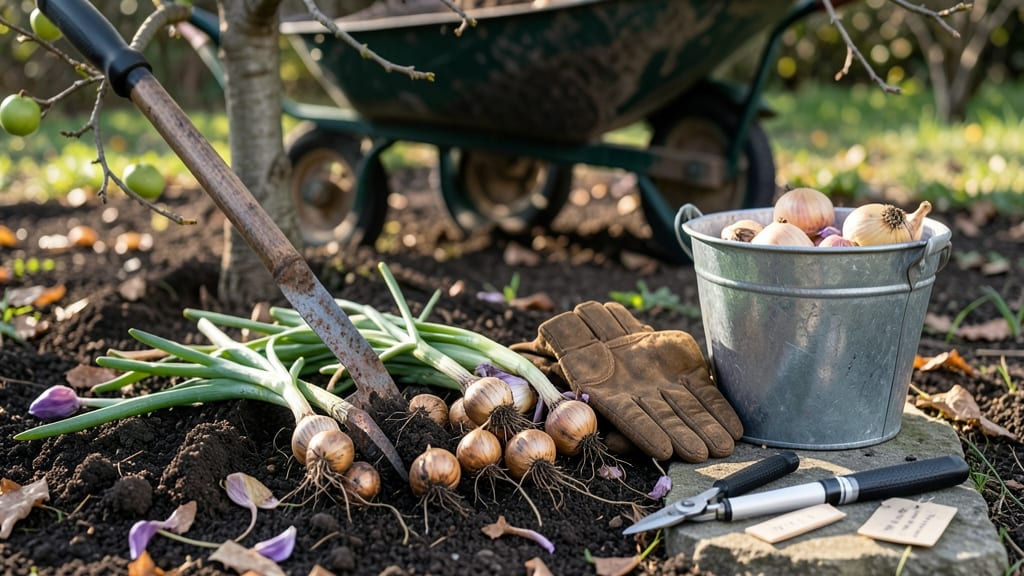
Digging up tulip bulbs at the right time ensures they’ll return stronger next spring 🌷—and missing the window can mean weaker blooms or even bulb rot.
Most gardeners wait until the foliage turns completely yellow and crispy, but timing varies by zone. In cooler climates like USDA 6a, that’s usually 6–8 weeks after flowering, while warmer zones may need to act sooner.
Why does this matter? Tulip bulbs store energy in their leaves until they fully yellow—digging too early robs them of nutrients, while waiting too long risks rot or pest damage.
Below, I break down the exact deadlines by zone, how to tell when bulbs are ready, and the step-by-step storage process to keep them thriving until replanting season.
Exact deadline for digging up tulip bulbs by USDA Hardiness Zone (with visual guide)
Timing is everything when it comes to digging up tulip bulbs. If you dig too early, you risk stunting next year’s blooms. If you wait too long, bulbs may rot or become vulnerable to pests.
The key is to act 6-8 weeks after flowering, when foliage turns yellow and begins to die back naturally—this signals the bulbs have stored enough energy for dormancy.
Your USDA Hardiness Zone plays a critical role in setting your deadline. Cooler zones (like Zone 3-5) have a shorter window between blooming and frost, while warmer zones (like Zone 8-10) can wait longer.
Below is your zone-specific timeline, complete with visual cues to ensure you never miss the mark.
Why this matters: Tulip bulbs rely on their leaves to photosynthesize and build up nutrients for next spring. If you remove foliage too soon, the bulb won’t have enough reserves to produce strong stems and flowers. Conversely, leaving bulbs in the ground too late risks rot, pests, or weakened growth.
| USDA Zone | Deadline Window | Key Visual Cue | Action |
|---|---|---|---|
| Zones 3-5 | Late June to mid-July | 🍂 Foliage fully brown & crispy | Dig immediately after leaves die back |
| Zones 6-7 | Mid-July to early August | 🟡 Leaves yellowed & 50% brown | Wait 2 weeks after 50% browning |
| Zones 8-9 | Early to mid-August | 🌿 Leaves still green but wilting | Dig when leaves stop greening |
| Zone 10 | Late August to September | 🌱 New shoots may appear | Dig after second flush of leaves |
*Adjust 1-2 weeks earlier if your area experiences early heatwaves or drought.
In Zones 3-5, where winters are harsh and summers short, you’ll need to act fast. By late June, temperatures rise quickly, and bulbs can overheat or dry out if left in the ground. Look for completely brown, crispy foliage—this is your green light to dig.
In contrast, Zone 10 gardeners have more flexibility, but even here, waiting too long risks bulbs sending up new shoots, which weakens their energy reserves.
Climate also dictates your approach. In humid zones (like Zone 7b), bulbs are more prone to rot, so prioritize digging as soon as foliage browns. In drier zones (like Zone 8a), you can wait slightly longer, but monitor for wilting leaves, which signal stress.
Pro tip: If your area experiences unseasonably hot spells, dig up bulbs early to prevent heat damage.
One common mistake is assuming "after blooming" means immediately. Never dig tulips right after flowers fade—this is when they’re still feeding nutrients to the bulb. Instead, wait until 6-8 weeks post-bloom, when foliage has fully senesced. This ensures bulbs are fully matured and ready for storage.
For container-grown tulips, the rules shift slightly. Since pots dry out faster, dig up bulbs as soon as foliage turns yellow, typically 4-6 weeks after blooming. Containers also lack the insulation of garden soil, so bulbs are more vulnerable to temperature swings.
Store them in a cool, dark place (like a garage) until replanting in fall.
If you’re unsure whether your bulbs are ready, perform the "leaf test": Gently tug on a leaf. If it snaps easily (rather than bending), the bulb is ready.
If leaves still resist, wait another week. This simple test removes guesswork and ensures you’re digging at the optimal time for bulb health and next year’s blooms.
Remember, the goal is to preserve bulb vitality for spring. By following your zone’s deadline and watching for foliage cues, you’ll maximize your tulips’ potential. Store them properly, and you’ll be rewarded with vibrant, long-lasting blooms year after year.
What happens if you wait too long? 5 Critical risks to tulip bulbs (and how to fix them)
Leaving tulip bulbs in the ground too long after their foliage dies back can trigger a chain reaction of problems. When you miss the 6-8 week window after blooming, bulbs start storing energy inefficiently, making them vulnerable to rot, pests, and disease.
I’ve seen healthy tulips turn into mushy, moldy messes in just a few weeks if ignored.
The biggest mistake? Assuming bulbs can fend for themselves once flowers fade. In reality, overripe bulbs lose their ability to regenerate next year’s blooms. The nutrients they’ve stored get depleted, and without proper care, they’ll either shrink dramatically or fail to produce flowers altogether.
⚠️ 5 Critical Risks of Waiting Too Long
- 1. Bulb Rot: Moisture buildup in overripe bulbs creates the perfect environment for fungal infections. Look for soft, discolored bulbs with a foul smell.
- 2. Pest Infestations: Squirrels, voles, and slugs target weakened bulbs. You’ll find chewed bulbs or tunnels in the soil.
- 3. Weakened Blooms: Next year’s flowers will be smaller or nonexistent if bulbs didn’t store enough energy.
- 4. Disease Spread: Overripe bulbs become breeding grounds for viruses like tulip breaking virus (TBV), which can kill plants.
- 5. Shriveled Bulbs: Bulbs left too long shrink and lose viability, making them unusable for replanting.
If you’ve already missed the ideal digging window, don’t panic. First, check for signs of overripeness: bulbs that feel lightweight, have wrinkled skins, or sprout mold. For bulbs still in good shape, you can still salvage them by carefully removing them, trimming damaged roots, and storing them properly.
To fix bulbs already in the ground, act fast. Dig them up immediately, even if foliage isn’t fully brown. Soak bulbs in a 10% bleach solution (1 part bleach to 9 parts water) for 10 minutes to kill pests and fungi.
Then, let them dry in a shady, well-ventilated area for 2-3 days before storing.
Prevent future issues by marking your garden with stakes or flags when bulbs bloom. Set a reminder for 6-8 weeks later to dig them up. If you’re in a warmer climate (Zones 8-10), bulbs may need digging as early as late spring to avoid overheating.
Remember: Tulips thrive on routine. The more consistent you are with digging and storing, the healthier your bulbs—and next year’s blooms—will be. Don’t let a few extra weeks cost you a season of stunning flowers! 🌷