
Propagation
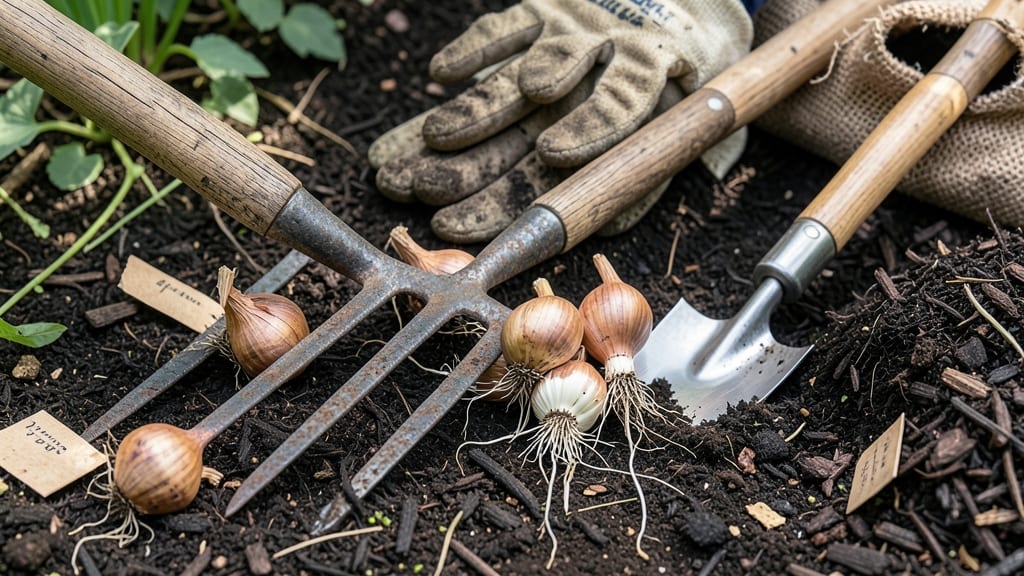
Dividing bulbs at the wrong time means smaller blooms next spring. 🌱 The best moment depends on your climate—fall division in mild zones, early spring in cold ones—but timing can make or break your garden's performance.
I learned this the hard way when my daffodils turned into a sea of skinny stems after dividing them too late.
Most gardeners divide in late summer to early fall (August through September) when foliage fades but before hard frost. This gives roots time to establish before winter. For cold climates, early spring (March to April) works too, right after leaves emerge.
The key is catching bulbs when they're overcrowded—look for fewer blooms or smaller flowers, a sure sign they need space.
You'll end up with stronger, more vibrant blooms next season because divided bulbs have room to grow. The process takes about 30 minutes for a small patch, and you'll save money by propagating your own plants instead of buying new ones.
Just avoid dividing right after planting or when bulbs are still actively growing.
Works for daffodils, tulips, alliums, and even lilies—just adjust timing based on your zone. Here's how to do it without killing a single bulb in the process.
📚 In This Guide
- What you need
- Instructions
- Tips and common mistakes
- Wrapping up and next steps
What you need
- ● Garden gloves (1 pair) – Protect your hands from dirt and sharp edges.
- ● Sharp garden knife or bulb divider (1) – A clean cut is key! Look for a knife with a serrated edge for precision.
- ● Disinfectant (rubbing alcohol or hydrogen peroxide) (small bottle) – Sterilize tools to prevent disease spread.
- ○ Garden twine or plant tags (optional but helpful) – Label divided bulbs if replanting in different areas.
- ● Compost or well-draining potting mix (quantity depends on bulb size) – For immediate replanting.
- ● Watering can or hose with a gentle spray nozzle (1) – Keep bulbs hydrated post-division.
- ● Newspaper or cardboard (1-2 sheets) – For drying bulbs before storage or replanting.
- ● Bulb fertilizer (slow-release, 10-10-10 or bulb-specific) – Boost growth after replanting.
- ● Fungicide spray – Prevents rot in damp conditions.
- ● Planting gauze or mesh bags – Keeps divided bulbs organized if storing for later.
- ● Garden journal or markers – Track bulb types and division dates for future reference.
Instructions for dividing bulbs at the right time
Timing matters more than you think—divide bulbs at the wrong season and you’ll weaken next year’s blooms.
🌱 Step 1: Wait Until After Blooming in Spring
Never divide bulbs in early spring—wait until 4-6 weeks after flowering when foliage has yellowed but hasn’t fully died back. This gives the bulb energy reserves to recover. For spring-blooming varieties like daffodils or tulips, I mark their stems with twine after blooms fade so I remember not to dig too soon.
If you dig too early, you’ll remove stored nutrients the plant needs for next year’s growth. Look for 60% of the leaves browned—this is your cue. The remaining green leaves are still photosynthesizing, feeding the bulb. Don’t rush this step; patience here means stronger clumps later.
🌿 Step 2: Divide in Early Fall for Fall-Planted Bulbs
Fall-blooming bulbs like crocus or fall-planted daffodils should be divided in early September—about 6-8 weeks before first frost. This gives roots time to establish before winter. I test soil temperature with my finger: if it’s still warm enough to hold a hand for 10 seconds, it’s safe to divide.
For spring-planted fall-bloomers (like alliums), divide in late summer when foliage yellows. The key is avoiding both extreme heat and frost. If you miss this window, wait until next spring—but expect weaker blooms that year. Dividing in fall gives you a head start on next season’s growth.
✂️ Step 3: Dig, Separate, and Replant Immediately
Use a sharp spade to dig around the bulb clump, lifting entire roots. Gently tease apart offsets with your fingers—don’t force it. Healthy offsets have small bulbs attached to the mother bulb and their own root systems. Discard any that feel soft or mushy; these won’t survive replanting.
Replant divisions within 24 hours at the same depth they grew before. Press soil firmly around them to eliminate air pockets. Water deeply right after planting—this helps roots establish quickly. Label new plantings if you’re unsure which variety they are; bulbs look identical until they bloom.
⏰ Step 4: Water and Fertilize for Recovery
After replanting, water once a week for the first month to encourage root growth. Use a balanced bulb fertilizer (like 10-10-10) at half-strength 4-6 weeks after dividing. This gives divided bulbs a nutrient boost without overwhelming them. I avoid high-nitrogen fertilizers—they promote leaf growth at the expense of bulb development.
Mulch newly planted divisions with 2-3 inches of organic mulch (like shredded leaves) to retain moisture and protect from temperature swings. In colder climates, add an extra inch of mulch in winter. The goal is to mimic the bulb’s natural growing conditions as closely as possible.
🌱 Step 5: Monitor Growth for Next Season’s Blooms
Divided bulbs often take 1-2 years to reach full bloom size. Don’t be discouraged if they produce smaller flowers the first year—they’re rebuilding energy stores. I check for strong, upright foliage in spring as a sign of healthy recovery. If leaves appear weak or sparse, the bulb may need more time to adjust.
For future divisions, keep a planting journal noting when you divide each variety and how they perform. This helps you predict the best timing for your specific climate. The more you observe, the easier it becomes to recognize when a bulb is ready to be split—usually when the clump has 6-8 bulbs pushing against each other.
Tips & tricks for perfect bulb division timing
Getting the timing right makes all the difference—here's how to avoid common mistakes that weaken next year's blooms.
Seasonal Cues Matter: The 4-6 weeks after flowering in spring is your sweet spot for dividing spring-bloomers. I've learned the hard way that digging too early removes the nutrients the bulb needs to rebuild. Look for that 60% leaf browning—it's the plant's way of telling you it's ready. For fall-bloomers, early September is ideal because it gives roots time to establish before winter's chill sets in.
Climate Adjustments: Your local frost date changes everything. If you're in a warmer zone where frost comes late, you might safely divide fall-bloomers until mid-September. Test soil temperature with your finger—if you can hold your hand there for 10 seconds, it's safe. In colder regions, stick to the earlier window to avoid frost damage to new roots.
Handling Offsets: When you're gently teasing apart those offsets in Step 3, remember that only the firm, healthy ones will thrive. I've made the mistake of replanting soft or shriveled offsets, only to have them rot. Discard anything that doesn't feel solid—it's better to be selective than sorry. Also, those tiny offsets you might overlook? They're worth keeping if they have their own root systems attached.
Recovery Timeline: The 24-hour replanting window is critical—don't let your divided bulbs dry out. I've seen gardeners replant after days in storage, and while they might survive, they won't perform as well. Water once weekly for the first month after replanting, and that half-strength fertilizer application at 4-6 weeks gives them just the right boost without overwhelming their recovery process.
Pro Tips for When To Divide Bulbs
- Getting the timing right makes all the difference—here's how to avoid common mistakes that weaken next year's blooms.
- Seasonal Cues Matter: The 4-6 weeks after flowering in spring is your sweet spot for dividing spring-bloomers.
- Climate Adjustments: Your local frost date changes everything.
Frequently asked questions
When is the absolute latest I can divide bulbs without harming them?
Most bulbs can be divided safely up to mid-fall (before the first hard frost) or early spring (right after foliage emerges but before blooming). Late divisions risk stressing the bulb—especially perennials like daffodils or tulips—which may not establish roots in time for winter. For tropical bulbs (e.g., caladiums), wait until spring to avoid frost damage.
Can I divide bulbs in winter? What if they’re frozen?
Dividing bulbs in winter is not recommended—frozen soil and dormant roots make it difficult for new offsets to take hold. If your bulbs are already dug up (e.g., for storage), wait until spring (when soil temps rise above 40°F/4°C) to replant. Store them in a cool, dry place until then. Pro tip: Warm the soil with black plastic mulch a few days before dividing to ease digging.
What if I skip dividing my bulbs for a year or two?
Skipping division won’t kill your bulbs, but overcrowding leads to smaller blooms, fewer flowers, and weaker foliage. For example, daffodils may produce half the flowers after 3–4 years without dividing. Most bulbs thrive when offsets are separated every 3–5 years. If you’re short on time, prioritize dividing the largest, healthiest bulbs first.
Are there bulbs that shouldn’t be divided?
Yes! Some bulbs—like alliums, snowdrops (Galanthus), or fritillaries—do not need dividing and may even resent it. These bulbs form clusters naturally and perform best when left undisturbed. Always research your specific bulb type before digging. Quick check: If your bulb multiplies slowly or has a single, thick stem, it likely doesn’t need dividing.
What do I do if my bulb breaks or rots during division?
Don’t panic! If a bulb cracks or shows signs of rot (soft spots, mold), trim away the damaged areas with a sterile knife, then dust the cut surfaces with fungicide or cinnamon powder to prevent infection. Replant the healthy portion immediately—it’ll often regrow. For severely rotted bulbs, compost them only if no signs of disease remain (e.g., no slimy texture or foul odor).
Wrapping up and next steps
Dividing bulbs at the right time—whether in early fall or late spring—sets the stage for vibrant blooms and healthier plants next season. 🌱 By paying attention to seasonal cues, bulb type, and plant signals, you’ll avoid stressing your plants and maximize their potential.
Now that you’re armed with the know-how, it’s time to roll up your sleeves and give your garden a revitalizing boost!
Ready to take action? Pick a weekend, gather your tools, and start dividing those bulbs—your future garden will thank you! 🌸