
Fertilization
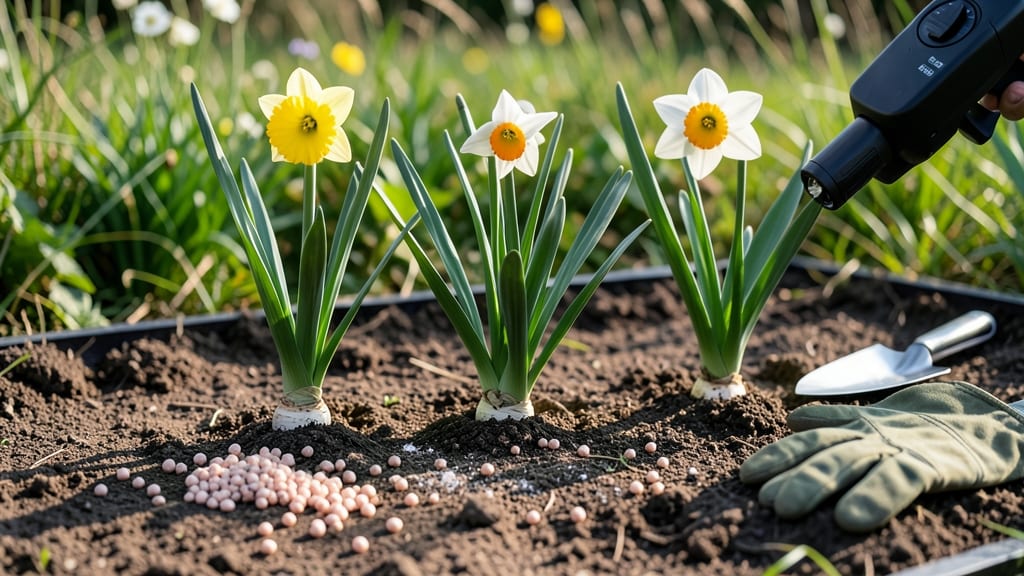
To fertilise bulbs at the right time means feeding them when they're hungry—not when they're sleeping or already blooming.
Struggling to get vibrant blooms from your spring bulbs? Timing your fertilizer application could be the missing link between lackluster flowers and showstopping displays. The key is understanding when 🌱 bulbs (General) wake up in the soil and need a nutrient boost to fuel their growth.
For spring-blooming types like tulips and daffodils, the best time to fertilise is early spring—right after the shoots emerge but before the flowers appear. This gives them the energy they need to produce strong stems and abundant blooms.
Meanwhile, summer-blooming bulbs like dahlias get their boost in late spring, just as they’re starting to push through the soil.
In this guide, I’ll break down the exact timing for different bulb types, the right fertilizer to use, and how often to feed them—so you can skip the guesswork and get the most out of your garden investment.
Optimal fertilizing timeline for spring-blooming bulbs by type
Spring-blooming bulbs like daffodils, tulips, and hyacinths rely on precise fertilization timing to produce their best displays. Unlike annuals, bulbs store nutrients underground, so feeding must align with their natural growth cycles. Over-fertilizing can damage roots, while under-fertilizing leads to weak blooms.
The key is feeding when bulbs need energy most—during root development and flower bud formation.
Most gardeners skip fertilizing in fall (when bulbs are dormant) and winter, focusing instead on early spring and post-bloom feeding. For example, tulips benefit from a light feed when shoots emerge, while daffodils thrive with a balanced fertilizer after blooming to rebuild reserves.
Understanding these differences ensures your bulbs perform year after year.
Here’s a science-backed comparison of fertilization timelines for your favorite spring bulbs, including pre-planting, early spring, and post-bloom windows. Use this as your guide to maximize blooms without overdoing it.
For daffodils, the pre-planting step is critical. Mix bone meal into the soil to boost phosphorus, which encourages strong root systems. In early spring, switch to a balanced fertilizer when shoots reach 2-3 inches.
This timing aligns with their flower bud formation, ensuring vibrant blooms. After flowers fade, feed again with a high-phosphorus fertilizer to replenish nutrients for next year.
Tulips, however, are more sensitive to over-fertilizing. A light compost top-dressing at planting is often enough. In early spring, use a low-nitrogen fertilizer to avoid leggy growth.
Skip post-bloom feeding—letting foliage die back naturally helps bulbs store energy for the next season. Never cut leaves until they turn brown, or you’ll weaken next year’s blooms.
Hyacinths and alliums follow similar rules but with slight variations. Hyacinths love phosphorus for bulb development, so add bone meal at planting and a potassium-rich feed post-bloom. Alliums, like ornamental onions, need minimal feeding. A low-nitrogen fertilizer in early spring is sufficient—they thrive on neglect once established.
Pro tip: Always water bulbs deeply after fertilizing to activate nutrients and prevent root burn. Use a soaker hose or drip irrigation for even distribution. Avoid liquid fertilizers during drought—bulbs need moisture to absorb nutrients effectively.
If your bulbs produce fewer blooms or smaller flowers year after year, it’s often a sign of nutrient depletion. Adjust your feeding schedule based on the table above, and watch your spring displays transform.
Remember, timing is everything—feed too early or too late, and you’ll miss the window for maximum impact.
For container-grown bulbs, halve the fertilizer amounts to avoid salt buildup. And if you’re in a hot, dry climate, opt for organic fertilizers like compost or fish emulsion—they release nutrients slowly and retain moisture better than synthetic options.
Now that you’ve got the timing down, your spring bulbs are set for a showstopping performance. Happy gardening! 🌷
Signs your bulbs need fertilizer before blooming season
Your spring bulbs might look healthy at first glance, but subtle visual cues often signal they're starving for nutrients before blooming season. Yellowing leaves or stunted growth can appear when bulbs lack essential nutrients like nitrogen, phosphorus, or potassium.
These signs typically emerge in early spring when bulbs are pushing new shoots but struggling to support vibrant flowers.
Pay close attention to the growth rate of your bulbs. If shoots emerge slowly or leaves appear weak and pale, your bulbs may need a nutrient boost. Slow shoot development often indicates nutrient deficiencies, especially in poor soil conditions.
Even well-established bulbs can benefit from a light feeding when they show signs of stress before flowering.
Another key indicator is the soil condition around your bulbs. Compacted or nutrient-depleted soil prevents bulbs from accessing the nutrients they need.
If the soil looks dry and crusty or feels unusually hard when you dig, it's a clear sign your bulbs need help. Amending the soil with compost or a balanced fertilizer can make a dramatic difference in bloom quality.
⚠️ When to Fertilise Bulbs: Critical Warning Signs
Don't wait until your bulbs show severe distress—act early! These 3 red flags mean it's time to fertilize:
- Pale or yellow leaves (chlorosis)
- Shoots <2 inches tall after 3+ weeks
- Soil that's hard or lacks organic matter
Use a balanced 10-10-10 fertilizer when shoots are 2-3 inches tall for best results. Avoid over-fertilizing—too much can burn bulb roots.
For container-grown bulbs, the signs are even more obvious. If you notice roots circling the pot or leaves developing brown tips, your bulbs are clearly nutrient-deprived. Containers dry out faster and leach nutrients quicker, so they often need more frequent feeding.
A light application of fish emulsion or worm castings can work wonders for potted bulbs.
Don't ignore last year's blooms as an indicator either. If your bulbs produced fewer flowers or smaller blooms last season, they're likely nutrient-depleted from repeated flowering. A fall fertilizer application (like bone meal) before dormancy can replenish reserves for next spring's display.
Remember, bulbs store nutrients underground, but they can't last forever. When you see weak stems or sparse foliage, it's your garden's way of saying, "Feed me!" A little preventative feeding now means bigger, brighter blooms in just a few weeks.
Start with a light application and monitor their response—your bulbs will thank you with a spectacular show! 🌷