
How To
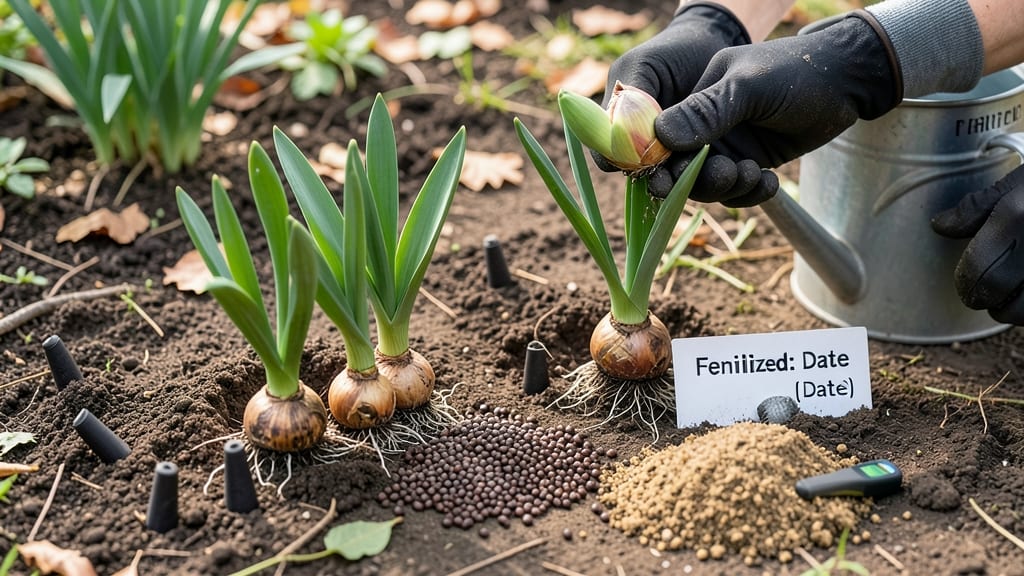
To fertilize bulbs at the right time means feeding them early spring when the shoots first push through the soil, not when they’re already blooming.
Struggling to get your spring bulbs to bloom bigger and brighter? The secret isn’t just in the soil—it’s in the timing of your fertilizer. Get it wrong, and you’ll waste nutrients; get it right, and you’ll transform next year’s flower show.
Most gardeners overlook the fact that bulbs like daffodils and tulips need a nutrient boost after winter dormancy, not before. A quick application of balanced fertilizer when the first green leaves appear gives them the energy to grow stronger roots and bigger blooms.
In this guide, I’ll walk you through the exact schedule for feeding spring-blooming bulbs, summer varieties like dahlias, and even those tricky tropical types. You’ll also learn how to spot when your bulbs are begging for food—and when to hold off.

Best fertilization timeline for bulbs by growth stage
Fertilizing bulbs at the right time can mean the difference between small, weak blooms and showstopping, vibrant flowers. Unlike other plants, bulbs store nutrients underground, so timing is everything. I’ve learned the hard way—over-fertilizing too early can burn delicate roots, while waiting too long means missed growth opportunities.
Let’s break down the perfect schedule for spring-planted (like tulips) and fall-planted (like daffodils) varieties.
The key is matching fertilizer applications to your bulbs’ natural growth cycles. Most bulbs follow a three-stage timeline: planting, early growth, and bloom. Each stage needs a different approach.
For example, tulips and hyacinths planted in fall need a light feeding in early spring, while daffodils can handle a stronger dose. Let’s dive into the exact moments to feed your bulbs for maximum impact.
At planting time—whether in fall for spring bloomers or spring for summer varieties—start with a phosphorus-rich fertilizer like bone meal. This kickstarts root development while the bulb is still dormant. I mix 1 tablespoon per bulb into the planting hole for tulips and daffodils.
For larger bulbs like lilies, double that amount. The goal here is to give them a nutrient head start before winter sets in.
Once spring arrives and you see those first green shoots pushing through the soil, it’s time for your first major feeding. Use a balanced fertilizer (like 10-10-10) when the foliage is about 4-6 inches tall.
This is when bulbs need nitrogen for leaf growth and potassium for flower development. I apply it lightly around the base, keeping it 2 inches away from the stems to avoid burning tender new growth. Water thoroughly afterward to help distribute nutrients.
During the bloom stage, switch to a low-nitrogen fertilizer or even a fish emulsion to support stem strength. This is where many gardeners make a mistake—they stop fertilizing entirely, thinking the plant has what it needs.
But a light feeding every 3-4 weeks can extend bloom time and keep stems sturdy against wind. For tulips, I’ve found that a 5-5-5 fertilizer works wonders for prolonging their show.
After blooming, resist the urge to fertilize again. Bulbs need this time to replenish their energy stores underground. Let the foliage die back naturally—even if it looks unsightly. Cutting it too soon robs the bulb of nutrients it needs for next year’s flowers.
In late summer, though, you can give them one last boost with bone meal to prepare for dormancy. This ensures they’ll have the strength to push through
Signs your bulbs need fertilizer (and when to avoid it)
Your spring bulbs like tulips and daffodils may look healthy above ground, but their roots might be silently starving for nutrients. Yellowing leaves or stunted growth are classic red flags that your bulbs need fertilizer.
These signs often appear when bulbs don’t get enough phosphorus or potassium during their active growth phase in early spring.
Don’t confuse nutrient deficiency with natural aging—older bulbs may produce fewer blooms, but their foliage should remain vibrant. If your tulip leaves are pale green or developing brown tips, it’s time to feed them. However, over-fertilizing can be just as damaging as under-feeding, especially for delicate bulbs like hyacinths.
⚠️ When to Fertilize Bulbs (And When to STOP)
✅ Do fertilize: When green shoots emerge in early spring (March-April) and after flowering ends to build next year’s blooms.
❌ Avoid fertilizing: During dormancy (fall/winter), after foliage yellows (bulbs store nutrients), or if soil is waterlogged (roots can’t absorb nutrients).
💡 Pro Tip: Use a low-nitrogen fertilizer (5-10-10 NPK) to prevent leafy growth at the expense of blooms.
For organic gardeners, compost or well-rotted manure worked into the soil before planting provides slow-release nutrients. Synthetic options like bulb-specific granules are ideal for quick absorption, but always follow package instructions—too much fertilizer can burn roots and reduce blooming.
Clay-heavy soils retain moisture but may lack essential nutrients. In these cases, a balanced fertilizer with micronutrients like magnesium and iron can prevent deficiencies. Sandy soils, on the other hand, drain quickly and may need slow-release fertilizers to prevent nutrients from washing away.
Watch for purple stems or mottled leaves, which signal phosphorus deficiency. These symptoms often appear in poor soil or when bulbs are crowded. Space bulbs properly (6 inches apart) and feed lightly in early spring to encourage strong root development.
Remember: Less is more with bulbs. A single application of bulb fertilizer in spring, followed by a light feeding after flowering, is often enough. Overdoing it can lead to fungal issues or even kill your bulbs—so always err on the side of caution.