
How To
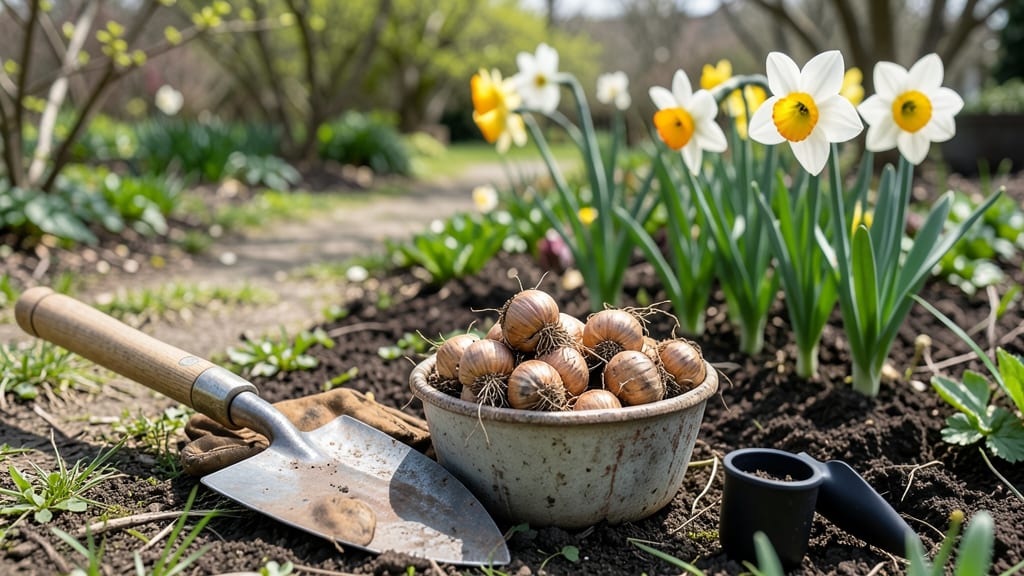
To move daffodil bulbs, wait until late summer (6-8 weeks after blooming) when the foliage naturally yellows and dies back, then carefully dig, clean, and replant in well-draining soil with full sun exposure for healthy regrowth.
Timing is everything when it comes to moving daffodil bulbs because these plants need time to replenish their energy reserves. 🌱 Once the blooms fade, the foliage continues working underground, storing nutrients back into the bulb for next year's flowers.
Digging too early disrupts this process, while waiting too long risks the bulb drying out or freezing in colder climates. I've found that late summer—after the leaves have turned brown but before the first frost—gives bulbs the best chance to establish roots in their new home.
After transplanting, focus on soil quality and sunlight. Daffodils thrive in loose, well-draining soil that mimics their natural habitat, and they need at least 6 hours of direct sunlight daily.
A little extra care—like watering deeply after planting and adding a light mulch—can make all the difference in helping them settle in. The key is patience; give your bulbs a full growing season before expecting vibrant blooms again.
💡 In This Article
- Why Timing Matters for Daffodil Bulb Transplant Success
- Step-by-Step Guide to Relocating Daffodil Bulbs
Why timing matters for daffodil bulb transplant success
Daffodils rely on a precise biological cycle where foliage plays a critical role after blooming. Once flowers fade, the leaves continue photosynthesis for 6-8 weeks, converting sunlight into carbohydrates that get stored in the bulb as starches.
This process—called bulb "replenishment"—can only happen when the plant isn't stressed by digging. If you move bulbs too early, they'll lack the energy reserves needed for next year's growth, resulting in weak or non-flowering plants. 🌿
The ideal transplant window occurs when foliage turns yellow-brown and dies back naturally, signaling the bulb has completed its nutrient storage. This typically happens 4-6 weeks after blooming, depending on your climate zone.
For example, in Zone 5, this might be early August, while Zone 8 gardeners should aim for late September. The key is catching bulbs in their dormant phase but before winter dormancy begins—digging too late risks exposing them to frost damage or drying out.
Temperature also affects timing. In warmer regions, bulbs may need to be moved earlier to avoid summer heat stress, while cooler climates can extend the window until early fall. The soil temperature should be around 60-70°F during transplanting—this range ensures minimal shock to the bulb's root system.
What most gardeners don't realize is that bulbs actually form new roots during this late-summer period, which is why careful handling matters so much during relocation. 🌡️
Premature transplanting disrupts this cycle by severing the foliage's connection to the bulb before nutrient transfer completes. Studies show that bulbs moved before full foliage senescence (leaf death) can lose up to 30% of their stored energy reserves, dramatically reducing next year's bloom quality.
Conversely, waiting too long risks bulbs becoming dehydrated or vulnerable to pests in storage. The perfect balance is catching them in this "golden window" when they're biologically ready for dormancy.
Another critical factor is light exposure during this period. Daffodils need full sun (6+ hours daily) to maximize photosynthesis in their foliage. If your garden has shaded areas, consider temporarily moving containers to sunnier spots during this replenishment phase.
I've seen daffodils in partial shade produce half as many blooms the following year compared to those in full sun during their critical foliage period. The lesson? Don't just move bulbs—move them to the right conditions for optimal regrowth. 🌞
For gardeners in frost-prone areas, timing becomes even more critical. Bulbs need 4-6 weeks of root establishment before winter to survive freezing temperatures. This means if you're in Zone 4, you might need to transplant by mid-August to give roots time to develop before the ground freezes.
The general rule is to aim for transplanting 6-8 weeks before your first expected frost date, which aligns perfectly with the natural foliage senescence timeline. 🍂