
How To
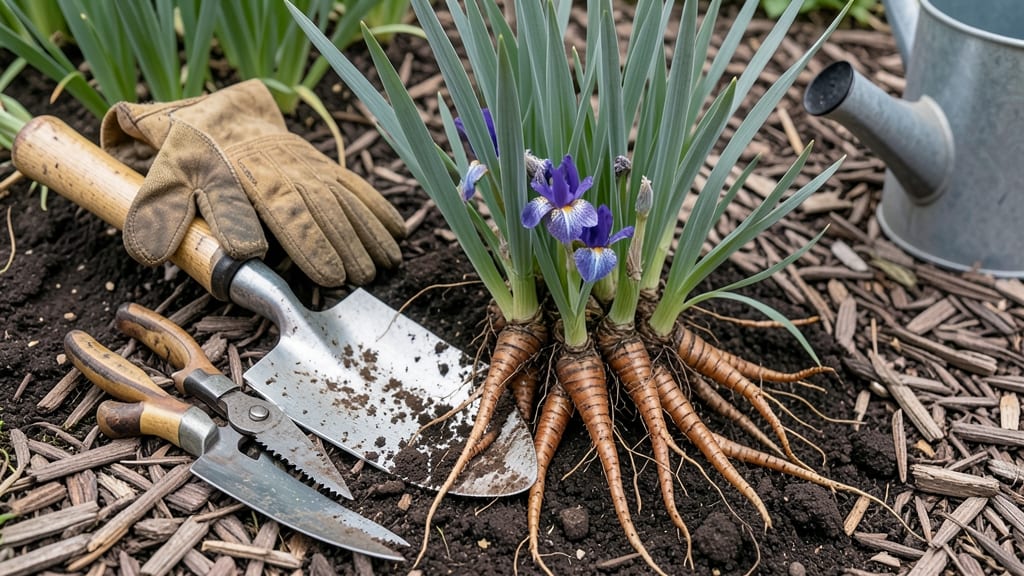
Moving iris bulbs at the right time ensures perfect regrowth and stunning 🌸 blooms next season.
If you’ve ever dug up iris rhizomes too early and watched them rot, or too late and seen weak growth, you know timing is everything. The 6-8 week window after blooming—typically late summer or early fall—is your best shot at success, but climate zones change the rules.
In USDA Zone 6a, like many gardens, the ideal moment is September to October when foliage yellows and dies back. But in warmer zones, late winter works just as well—so long as you avoid freezing temperatures.
Below, I break down the exact seasonal cues, zone-specific adjustments, and step-by-step methods to transplant without stressing your irises. No more guesswork, just thriving rhizomes ready for next year’s showstopping flowers.
Best time to transplant iris bulbs by USDA climate zones
Transplanting iris bulbs at the right time ensures they establish strong roots before dormancy or the growing season. Timing varies drastically by USDA zone and regional climate patterns. In northern zones (3-6), early fall is ideal, while southern zones (7-10) often shift to late winter for optimal results.
Let’s break down the best windows for each zone to maximize your iris’s survival and bloom potential.
Iris rhizomes thrive when transplanted during their natural dormancy period. Early fall (September-October) in cooler climates allows roots to establish before frost, while late winter (February-March) in warmer zones avoids summer heat stress.
Regional exceptions exist—like Pacific Northwest zones where mild winters extend transplant windows. Understanding these nuances prevents common mistakes like transplanting during active growth or extreme weather.
Here’s a zone-specific breakdown to guide your timing decisions:
| USDA Zone | Best Transplant Window | Key Climate Notes | Avoid These Times |
|---|---|---|---|
| Zones 3-5 | Late August to early October | Cool summers, early frost. Transplant after foliage yellows. | Spring (before last frost) or winter (frost risk). |
| Zones 6-7 | September to mid-October | Moderate winters. Ideal for 6-8 weeks pre-frost. | Late fall (soil too cold) or summer (heat stress). |
| Zones 8-9 | Late winter (Feb-March) or early fall (Oct-Nov) | Mild winters. Late winter avoids summer drought. | Peak summer (June-August) or deep winter (Jan). |
| Zone 10 | January-February (dry season) | No frost. Transplant during cooler, drier months. | Summer (intense heat) or rainy season. |
For northern gardeners (zones 3-6), prioritize early fall transplanting—aim for 6-8 weeks before first frost. This gives rhizomes time to root before winter dormancy. In my zone 5 garden, I’ve found transplanting in late September yields the healthiest regrowth.
The key is watching foliage: once it yellows and dies back naturally, it’s time to move.
Southern zones (7-10) offer more flexibility but require caution. In zone 8-9, late winter transplanting (February-March) avoids summer heat stress. My zone 9 neighbors swear by moving irises in January when soil is workable but not waterlogged. Always check for dormant rhizomes—they should feel firm, not soft or shriveled.
Regional exceptions matter! For example, Pacific Northwest zones 7-8 often transplant in late fall (November) due to mild winters. Conversely, Deep South zone 10 gardeners avoid summer months entirely, opting for cool, dry seasons. Before digging, research local microclimates—urban areas may stay warmer than rural zones.
Timing isn’t just about the calendar—it’s about plant behavior. Wait until 6-8 weeks after blooming when foliage turns yellow and browns completely. This signals the iris is entering dormancy, making it resilient to transplant shock. In my experience, rushing this process leads to weak roots and poor recovery.
Post-transplant care varies by zone. In cooler climates (3-6), mulch heavily after moving to insulate roots. For warmer zones (7-10), focus on shade cloth during the first month to reduce stress. I’ve seen irises in zone 9 struggle when transplanted without shade—always adjust care to your local climate.
Pro tip: Mark your calendar 6-8 weeks after your iris blooms to schedule the move. This ensures you’re working with dormant rhizomes, not active growth. For zone 6 gardeners, that’s typically late September; for zone 8, it’s early February.
Consistency is key—stick to this rhythm year after year for the best results.
Transplanting at the wrong time can stress iris rhizomes, leading to poor blooms or even death. By aligning with your USDA zone and watching for foliage signals, you’ll give your irises the best chance to thrive in their new home. Happy digging! 🌸
Signs your iris bulbs need moving (and when to act)
Your iris bulbs might be silently screaming for relocation long before you notice the signs. Overcrowding is the most common culprit, where rhizomes grow too close, competing for nutrients and sunlight. This often leads to smaller blooms or fewer flowers each season—a clear red flag that it's time to act.
Even healthy-looking irises can signal distress through subtle changes in their growth patterns or soil conditions.
Another key indicator is declining bloom quality. If your irises produce fewer flowers or the blooms appear weak and pale, this suggests the plants are stressed. Soil depletion from years of growth without division can also drain essential nutrients, leaving your irises struggling to thrive.
Pay attention to the foliage—yellowing leaves or stunted growth are classic signs that your irises need a fresh start in new soil.
Don’t wait until your irises stop blooming entirely—this is a late-stage sign that the rhizomes are exhausted. By then, you risk losing the entire plant if you don’t act promptly.
The best time to move is after the foliage yellows but before the first frost, giving the rhizomes time to establish roots in their new home.
If you’re unsure whether to move, check the rhizome health. Healthy rhizomes feel firm and plump, while weak or shriveled ones indicate stress. Divide and replant only when the rhizomes are fully mature, usually in late summer or early fall, depending on your USDA climate zone.
This timing ensures they’ll have the entire growing season to recover.
Once you’ve moved your irises, give them consistent care to encourage regrowth. Water deeply but infrequently to avoid soggy soil, and avoid fertilizing until new foliage emerges in spring. With the right timing and care, your relocated irises will reward you with vibrant blooms for years to come.
🌸