
Transplanting
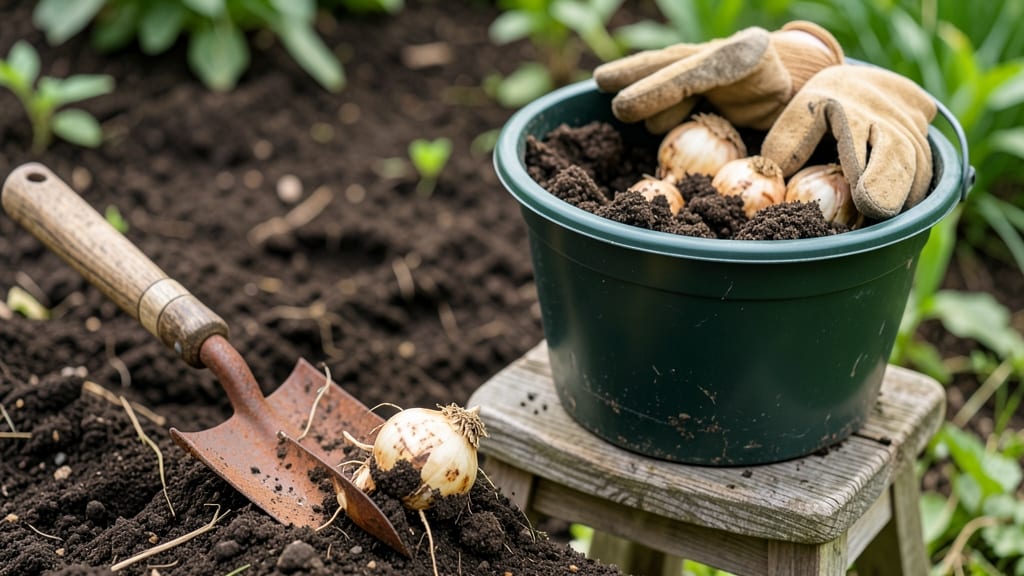
Move lily bulbs after their foliage dies back in late fall or early spring — timing this right is the difference between next year’s showstopping blooms and a sad, stunted plant.
Picture this: you’ve spent months admiring your 🌸 lilies in full bloom, only to watch them wilt after a botched move. That’s why knowing the exact window—usually September to October or April to May—matters more than you think.
Most gardeners in USDA Zone 6a (and similar climates) dig up lilies when the leaves turn yellow and crisp, but rushing too early can shock the roots.
Below, I’ll walk you through the best months for your region, how to tell when it’s time, and what to do if you miss the window.
You’ll also discover the 3-step replanting process that keeps lilies thriving, plus common mistakes that even experienced gardeners make—like storing bulbs in damp soil or planting them too deep.
Best months to dig up lily bulbs for transplanting
Timing is everything when it comes to moving lily bulbs. If you dig too early, you risk shocking the plant and stunting next year’s blooms. But wait too long, and the bulbs may not survive the transplant.
The key is understanding your USDA hardiness zone and recognizing when your lilies enter dormancy. Most gardeners find success by transplanting in late summer or early fall, but the exact window varies by lily type and location.
For Asiatic lilies and Oriental lilies, which are popular for their vibrant colors and fragrance, the ideal time to dig is after the foliage has completely yellowed and died back—typically 6 to 8 weeks after flowering.
This usually falls in September or early October in most of the U.S. USDA Zones 5-8. Meanwhile, Trumpet lilies (like the dramatic Lilium regale) often need a slightly later start, as they store more energy in their bulbs and can handle cooler temperatures.
Here’s the science: Lily bulbs need time to replenish their energy reserves after flowering. If you dig too soon, the bulbs haven’t stored enough nutrients for regrowth. But if you wait too long, the bulbs may start to sprout or rot in the ground.
The goal is to catch them in that sweet spot between foliage dormancy and frost risk.
🌱
In warmer climates (Zones 9-11), the window shifts slightly later. For example, in Southern California or Florida, you can safely dig lilies in October or November since frost is less of a concern.
The rule of thumb is to aim for 4-6 weeks before your first expected frost. Use your local weather data to plan—most bulb suppliers provide frost-free date maps for reference.
One common mistake is digging based on the calendar alone. Instead, focus on the plant’s physical cues. Healthy lilies will show completely dried foliage and firm bulbs when gently squeezed. If you see any green shoots in late summer, wait a few more weeks.
Conversely, if the ground is still warm and bulbs feel soft, they’re not ready—digging too late risks rot during storage.
For gardeners in cooler zones (Zones 3-4), like the Pacific Northwest or New England, prioritize digging by mid-September at the latest. These regions have shorter growing seasons, so lilies need extra time to establish before winter.
If you’re unsure, err on the side of digging earlier rather than later. Bulbs stored in a cool, dry place (50-60°F) can wait a few weeks for the perfect replanting window.
Pro tip: Mark your calendar based on your lilies’ bloom time. Most Asiatic lilies flower in early to mid-summer, while Oriental lilies bloom later (mid-to-late summer).
Count back 8-10 weeks from their peak bloom to determine your digging date. This method works even if you’re unsure of your exact USDA zone.
Finally, avoid digging in wet or freezing soil. Compacted or waterlogged ground makes it harder to extract bulbs cleanly and increases the risk of damage. If your soil is too wet, wait a few days or use a garden fork to loosen the earth gently before lifting the bulbs.
Always handle them with care—their papery skins are delicate and can tear easily.
✂️
How to replant lily bulbs after digging without shocking roots
Once you’ve carefully dug up your lily bulbs, the next critical step is replanting them correctly to prevent root shock and ensure next season’s blooms. The key lies in timing, soil prep, and gentle handling—all of which I’ve perfected through years of trial and error in my own garden.
Whether you’re relocating bulbs to a new sunny spot or dividing a crowded patch, follow these steps to give your lilies the best chance at thriving.
Timing matters most: replant lily bulbs within 2-4 weeks of digging, ideally during their natural dormancy period. For most regions, this means replanting in early fall (September-October) or early spring (March-April), just before active growth resumes.
Rushing this process can stress the bulbs, while waiting too long risks drying out their delicate roots.
Choose a sunny spot with well-draining soil—lilies hate soggy roots. Amend heavy soil with compost or sand to improve drainage. Test soil pH (ideal: 6.1-7.0), adjusting with lime or sulfur if needed.
Plant lily bulbs 6-12 inches apart, depending on variety. Dwarf types (like Asiatic lilies) need 6 inches of space, while larger Oriental lilies require 10-12 inches to prevent overcrowding and disease.
Bury bulbs 6-8 inches deep, with the neck facing upward. Use a trowel to create a hole, place the bulb, and cover with soil, gently firming it around the bulb to eliminate air pockets.
Give newly planted bulbs a deep watering to settle the soil and encourage root growth. After that, water moderately—keeping soil moist but not soggy—until new shoots appear in spring.
Apply a 2-inch layer of mulch (straw or shredded bark) to retain moisture and regulate soil temperature. Avoid thick mulch layers, which can suffocate bulbs or attract pests.
Watch for signs of transplant shock, like yellowing leaves or wilting. If this happens, reduce watering slightly and avoid fertilizing until the plant recovers. Most lilies bounce back within 2-4 weeks if cared for properly.
For gardeners in warmer climates (USDA Zones 8-10), replanting in late winter (February) works best, as lilies need a cool period to establish roots before summer heat sets in. In colder zones (USDA Zones 3-6), aim for early fall replanting to allow roots to grow before winter dormancy.
Pro tip: Label your newly planted bulbs with variety names and replanting dates. This helps track growth patterns and ensures you’ll know exactly when to expect those stunning blooms next season.
With the right care, your lilies will reward you with vibrant flowers and lush foliage for years to come! 🌸