
Plants
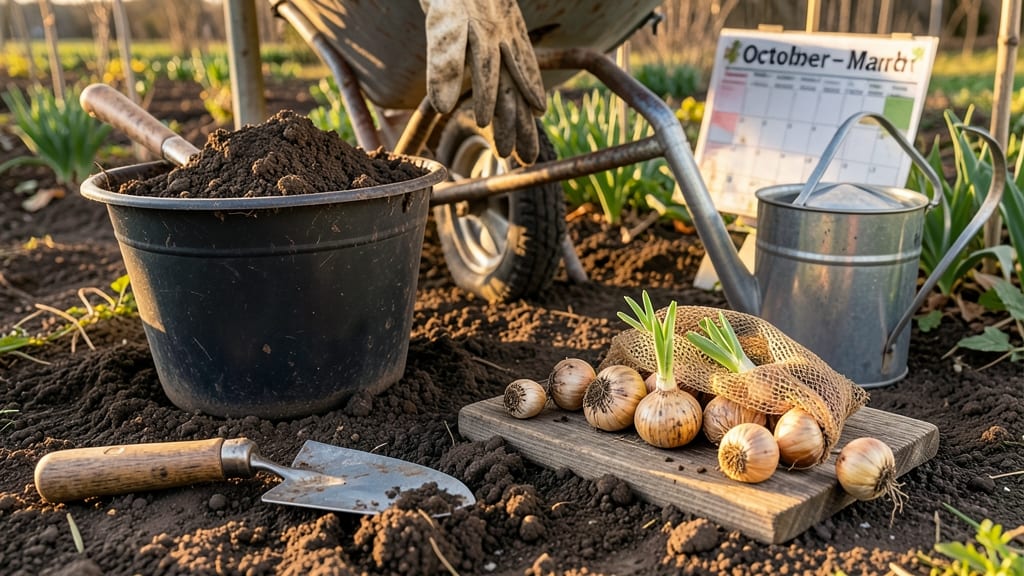
Planting bulbs in California at the right time ensures perfect spring blooms—whether you're in coastal fog or desert heat.
Get it wrong, and you might end up with wilted tulips or daffodils that never emerge. The key? Timing varies wildly from San Francisco’s mild winters to Palm Springs’ early warmth.
In this guide, I’ll break down the ideal months for your county, how to read soil temps like a pro, and which bulbs thrive where—plus the top mistakes even experienced gardeners make.
Ready to turn your yard into a stunning spring display? Let’s get those bulbs in the ground at the perfect moment.
California’s best bulb planting months by microclimate Zone
California’s diverse microclimates mean your bulb planting schedule should depend on whether you live in coastal fog zones, inland valleys, or desert heat.
In San Francisco (USDA Zone 9b), for example, you can plant tulips and daffodils as late as December, while Palm Springs gardeners (Zone 10b) might plant fall-blooming bulbs like crocuses in November to avoid summer heat. Getting this right ensures vibrant blooms—not wasted bulbs.
For coastal regions (e.g., San Francisco, Santa Barbara), the ideal planting window stretches from October through December. The mild winters here allow bulbs to establish roots without freezing.
In contrast, inland areas like Sacramento or Fresno (USDA Zones 8-9) need to plant 6-8 weeks before the first frost, typically October to early November. Meanwhile, desert zones (e.g., Palm Springs, Death Valley) can plant fall bulbs in November but must avoid summer planting entirely.
Here’s a quick reference for California’s three key bulb-planting zones, including best bulbs and planting months:
In coastal areas, tulips and daffodils thrive when planted in late fall (November–December). The foggy conditions slow bulb growth, so they won’t bolt in summer.
For inland regions, prioritize daffodils and alliums, which tolerate drier soils and warmer days. Desert gardeners should focus on drought-tolerant bulbs like crocuses and grape hyacinths, planting them in November to avoid summer’s scorching heat.
Pro tip: Use soil temperature as your guide. Bulbs need 40–50°F soil to root successfully. In cooler coastal zones, this happens naturally in October–November, while inland areas may need to plant earlier (by late September) to hit that window.
A soil thermometer (under $15) is worth the investment for accuracy.
If you’re in Los Angeles or San Diego (Zone 10a), you can even plant some bulbs in early spring (February–March) for summer blooms. Try rain lilies or spider lilies, which love the mild coastal climate.
Just avoid planting tulips in spring—they’ll bake in the heat and fail to bloom.
For high-elevation areas like Lake Tahoe or Mammoth Lakes (Zone 7), plant earlier (by Septemberearlier frosts. These zones can grow European-style bulbs like tulips and hyacinths that need cold stratification.
In contrast, low-desert areas (e.g., Coachella Valley) should never plant in summer—the bulbs will rot before sprouting.
Remember: Watering matters most in the first 4–6 weeks after planting. Coastal areas get natural moisture, but inland and desert zones need deep watering every 1–2 weeks until roots establish. Mulch with 2–3 inches of straw to retain moisture and regulate soil temperature.
Finally, local nurseries are your best friend. Ask for region-specific bulb varieties—some tulips or daffodils are bred for California’s climate and won’t need as much babying. For example, ‘Ice Follies’ daffodils thrive in coastal heat, while ‘Darwin Hybrid’ tulips handle inland dryness
California’s diverse microclimates mean your soil temperature and rainfall patterns should dictate when to plant bulbs. Unlike one-size-fits-all advice, Northern California’s cool, wet winters create ideal conditions for fall planting, while Southern California’s mild, dry winters may require adjustments. Understanding these factors ensures your bulbs thrive and bloom when expected. A soil thermometer is your best tool for timing. Most bulbs need soil temps between 50-60°F at a 6-inch depth—this triggers root growth without encouraging early sprouting. In coastal areas like San Francisco, soil may stay cool longer, while inland regions like Sacramento can warm up faster. Always check before planting to avoid rot or premature sprouting. Rainfall is another critical factor. In Northern California, where winter rains are reliable, you can plant bulbs as early as October and let nature water them. However, in Southern California’s dry winters, like in Orange County, you’ll need to irrigate manually every 1-2 weeks until rains return. Always mulch after planting to retain moisture and regulate soil temperature. Frost dates vary wildly across California. Coastal regions like San Francisco rarely see frost, so bulbs can be planted almost anytime. In contrast, high-desert areas like Bishop may experience frost as late as February. Use your local USDA zone map to guide timing—Zone 9-10 (coastal) allows flexibility, while Zone 7-8 (mountains) demands earlier planting. For tropical bulbs, like rain lilies, adjust timing entirely. These thrive in Southern California’s mild winters and can be planted in late fall or early spring. Monitor soil moisture closely—these bulbs despise soggy soil. In drought-prone areas, consider drip irrigation to ensure consistent moisture without overwatering. Pro tip: Keep a gardening journal to track soil temps, rainfall, and bloom times. Over time, you’ll spot patterns unique to your yard—like how microclimates within your property (e.g., sunny vs. shady spots) affect planting success. Adjust your schedule yearly based on these observations to perfect your bulb timing.How to adjust planting timing based on soil temperature and rainfall
Key Adjustments for California Bulb Planting