
Plants
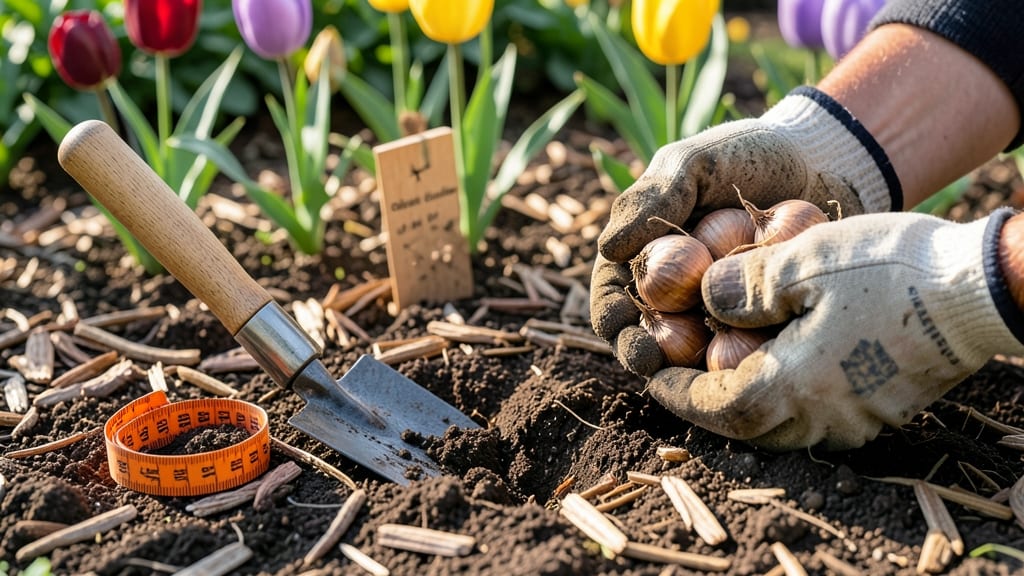
To plant bulbs in Northern California for perfect spring blooms, aim for October through December—just as the soil cools but before hard frost sets in.
Timing is everything when planting bulbs in Northern California—get it wrong, and your spring blooms may never appear. But with the right chill-hour strategy, you can unlock vibrant tulips, daffodils, and more year after year.
Northern California’s 8a-9b zones mean coastal areas like San Francisco have milder winters, while inland spots like Sacramento need earlier planting. A chill-hour chart helps match bulbs to your microclimate, ensuring they get the cold snap they need to bloom.
Below, I’ll break down the best months for each bulb type, soil prep secrets, and how to adjust for frost—so you can enjoy stunning 🌷 displays come spring.
Northern California chill-hour zones: how to match bulbs to your climate
Northern California’s diverse climate—from the foggy coastal regions of San Francisco to the inland valleys of Sacramento—creates unique challenges for bulb planting. The key to success lies in understanding chill-hour requirements, which determine when bulbs like tulips and daffodils will bloom.
Most spring-flowering bulbs need 100-1,500 chill hours between 32°F and 50°F to trigger blooming, but Northern California’s microclimates complicate timing.
Coastal areas (e.g., USDA Zone 9b) often receive fewer chill hours due to milder winters, while inland regions (e.g., Zone 8a) accumulate chill hours faster. For example, hyacinths thrive in cooler inland zones but may struggle on the coast unless you choose low-chill varieties.
Understanding your specific chill-hour zone ensures your bulbs get the cold period they need without waiting too long.
Here’s how to match your bulbs to Northern California’s chill-hour zones and microclimates:
If you live in a coastal zone, opt for low-chill bulbs like daffodils or crocus, which tolerate milder winters. Inland gardeners can plant standard tulips or hyacinths earlier, as they accumulate chill hours faster.
For example, in Sacramento (Zone 8a), you can plant bulbs as early as late September, while in San Francisco (Zone 9b), wait until November to avoid premature sprouting.
Microclimates also play a role. A south-facing slope warms up faster and may accumulate chill hours earlier than a north-facing yard. Similarly, urban areas with heat islands (like downtown Sacramento) can delay chill-hour accumulation.
Use a chill-hour tracker or local weather data to fine-tune your planting schedule. For instance, Berkeley’s chill hours might lag behind Davis’s by 2-3 weeks due to coastal influence.
Another critical factor is soil temperature. Bulbs need consistent cool soil (below 60°F) to root before winter. In warmer inland zones, plant bulbs deeper (8-12 inches) to protect them from soil temperature fluctuations.
Coastal gardeners can plant slightly shallower (6 inches) since soils stay cooler longer. Always plant bulbs 6-8 weeks before ground freezes—typically by December 1 in most of Northern California.
For coastal gardeners, consider forcing bulbs indoors if chill hours are insufficient. Place potted bulbs (like paperwhite narcissus) in a cool, dark spot for 8-10 weeks before bringing them into bloom.
This mimics the chill period bulbs need. Inland gardeners can experiment with late-winter planting (January-February) for bulbs like tulips, which may bloom earlier due to accumulated chill.
Pro tip: Use mulch (3-4 inches) after planting to insulate bulbs and regulate soil temperature. In coastal areas, mulch helps retain moisture and mild temperatures, while inland mulch protects against frost heave. Avoid organic mulches (like straw) if you’re concerned about
Best planting months by bulb type: a Northern California guide
Northern California’s diverse climate means coastal regions like San Francisco and inland areas like Sacramento have different planting windows. Coastal zones (USDA 9b) enjoy milder winters, while inland zones (USDA 8a) face colder temperatures. Understanding these differences ensures your spring bulbs like tulips and daffodils bloom on time.
For fall-planted bulbs, aim for 6-8 weeks before ground freezes. Inland areas typically plant by mid-October, while coastal gardeners can extend planting until December. Summer bulbs like dahlias and cannas, however, thrive when planted in late spring after the last frost.
- 1 Spring Bulbs (Tulips, Daffodils, Hyacinths): Plant in October-November (inland) or November-December (coastal). These need chill hours to bloom.
- 2 Summer Bulbs (Dahlias, Canna): Plant in April-May after frost risk passes. They thrive in warm soil and need staking support.
- 3 Fall-Planted Perennials (Allium, Fritillaria): Plant in September-October for early spring blooms. Coastal areas can plant until November.
- 4 Late Summer Prep: Loosen soil in August-September for fall planting. Add compost to improve drainage, especially in heavy clay soils.
- 5 Winter-Blooming Bulbs (Christmas Rose): Plant in September-October for holiday-season color. Coastal zones can extend planting to November.
If you’re in Zone 8a (inland), prioritize planting by mid-October to avoid winter freezes. Coastal gardeners in Zone 9b have flexibility until December, but early planting ensures stronger root systems before winter rains arrive.
For summer bulbs, wait until soil temperatures rise above 55°F. Inland areas can plant in April, while coastal zones may delay until May to avoid late frosts. Always check your local frost dates—they’re your best guide!
Pro tip: Mark your calendar for late August to prep soil for fall planting. Loosen the ground, remove weeds, and add organic matter like compost or aged manure. This gives bulbs a head start before winter sets in.