
Companion Plants
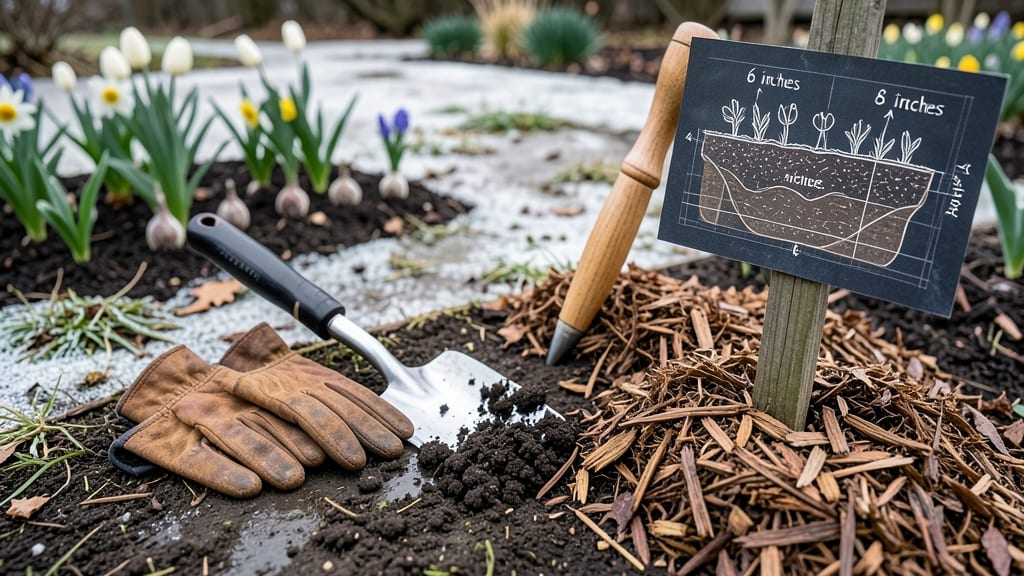
Planting bulbs in Pennsylvania at the right time ensures vibrant spring blooms and avoids wasted effort—especially since chill-hour needs vary by variety and region.
Pennsylvania’s unpredictable winters and variable climate can make timing your bulb planting a tricky balancing act—but getting it right means vibrant spring blooms and fewer failed blooms. The key? Understanding chill-hour requirements by variety and local frost dates.
Fall is the prime window for most bulbs, but whether you’re in Pittsburgh or Philadelphia, a two-week window separates success from disappointment. Too early, and bulbs rot; too late, and they won’t root before winter.
In this guide, I’ll break down the best months for tulips, daffodils, and crocuses, plus how to adjust for PA’s three chill-hour zones—so you can plant with confidence and enjoy blooms that outshine the snow.
Pennsylvania bulb planting calendar by chill-hour zones
Pennsylvania’s diverse climate—from the cool mountain regions of the north to the warmer valleys of the south—means chill-hour requirements can vary dramatically. Most of PA falls into three chill-hour zones: 3,000–4,000 hours (north), 4,000–4,500 hours (central), and 4,500–5,000 hours (south).
These zones dictate which spring-blooming bulbs thrive and when to plant them for optimal results.
For example, tulips and hyacinths need 12–16 weeks of cold exposure, while daffodils and alliums can handle shorter chill periods. Planting too early or late can result in poor blooming or even bulb rot.
Let’s break down the ideal planting windows by zone and variety to ensure your garden bursts with color every spring.
| Chill-Hour Zone | Best Planting Window | Top Bulb Varieties | Soil Temp Threshold | Key Regions in PA |
|---|---|---|---|---|
| 3,000–4,000 hours | Mid-October to early November | Daffodils, Alliums, Snowdrops | 45–55°F (7–13°C) | Erie, Scranton, State College |
| 4,000–4,500 hours | Late October to mid-November | Tulips, Hyacinths, Crocuses | 50–60°F (10–16°C) | Pittsburgh, Harrisburg, Allentown |
| 4,500–5,000 hours | Early November to early December | Daffodils, Fritillaries, Muscari | 55–65°F (13–18°C) | Philadelphia, Lancaster, Reading |
In northern PA (Zone 3,000–4,000 hours), where winters are longer, aim to plant daffodils and alliums by mid-October. These bulbs tolerate shorter daylight and colder soils, making them ideal for regions like Erie and Scranton.
Use a soil thermometer to confirm temps are between 45–55°F—planting too early in warm soil can trigger premature sprouting.
Central Pennsylvania (Zone 4,000–4,500 hours) offers a slightly longer window. Tulips and hyacinths, which need 14–16 weeks of chill, thrive when planted from late October to mid-November. Cities like Pittsburgh and Harrisburg benefit from this extended period, allowing gardeners to adjust based on early frost warnings.
If your soil stays above 60°F, delay planting until temperatures drop.
Southern PA (Zone 4,500–5,000 hours) often experiences milder winters, so bulbs like fritillaries and muscari can be planted as late as early December. Philadelphia and Lancaster gardeners should wait until soil temps fall below 65°F to avoid rot risks.
These later plantings align with the region’s shorter chill periods, ensuring bulbs still receive enough cold exposure.
Pro tip: If you’re unsure about your chill-hour zone, check local USDA Hardiness Zone maps or use a chill-hour calculator. For example, Pittsburgh (Zone 6a) typically falls into the 4,000–4,500 hour range, while Philadelphia (Zone 7b) leans toward 4,500–5,000 hours.
Adjust your planting timeline accordingly to match these regional nuances.
One common mistake is planting tulips too late in southern PA, where they may not get enough chill hours. To compensate, choose later-blooming varieties like 'Darwin Hybrid' tulips, which handle warmer climates better. Alternatively, plant daffodils, which are more frost-tolerant and adaptable across all three zones.
For gardeners in transition zones (e.g., near the PA/NY border), consider layered planting. Plant early-blooming bulbs like crocuses in October and late-blooming varieties like alliums in November. This creates a sequential bloom effect, extending your spring color display from March through May.
Finally, always plant bulbs 6 inches deep in well-draining soil and cover them with 2–3 inches of mulch after planting. This insulation helps regulate soil temps and protects bulbs from freeze-thaw cycles,
Best fall planting months for popular bulbs in PA
Fall is the perfect time to plant bulbs in Pennsylvania, but timing varies by variety and region. Tulips, crocuses, hyacinths, and daffodils all have different chill-hour needs and soil temperature thresholds.
Planting too early or late can mean missed blooms next spring. Let’s break down the ideal windows for each bulb type in Pittsburgh, Philadelphia, and Scranton.
Most bulbs need 40-60°F soil temperatures and 6-8 weeks before ground freeze to establish roots. In Pennsylvania, this typically means planting between late September and mid-November, but exact dates shift based on your location.
For example, Philadelphia’s last frost often arrives by April 15, while Scranton’s can linger until May 1.
For Pittsburgh gardeners, aim to finish planting by October 15 for most bulbs. The Allegheny region’s cooler nights mean bulbs establish roots faster, but early frosts can be a risk. In Philadelphia, where winters are milder, you can push planting until November 10—just ensure soil stays workable.
In Scranton’s higher elevations, the window is shorter. Plant crocuses and daffodils by October 15 to avoid winter desiccation. A trick I use? Cover newly planted areas with straw mulch to insulate bulbs from temperature swings.
This extra layer can extend your planting window by 1-2 weeks if early frost threatens.
Pro tip: Check your local frost dates using the National Weather Service or Old Farmer’s Almanac. Plant bulbs 6-8 weeks before the first hard frost—this ensures roots grow before winter dormancy.
In Philadelphia’s Zone 7b, that’s usually by November 15, while Scranton’s Zone 5b demands earlier action.
Remember, soil temperature matters more than air temperature. Use a soil thermometer to confirm conditions. If temperatures drop below 40°F, bulbs may struggle to root. For late plantings, opt for hardier varieties like ‘Tête-à-Tête’ tulips or ‘Ice Follies’ daffodils, which tolerate cooler soils better.