
Plants
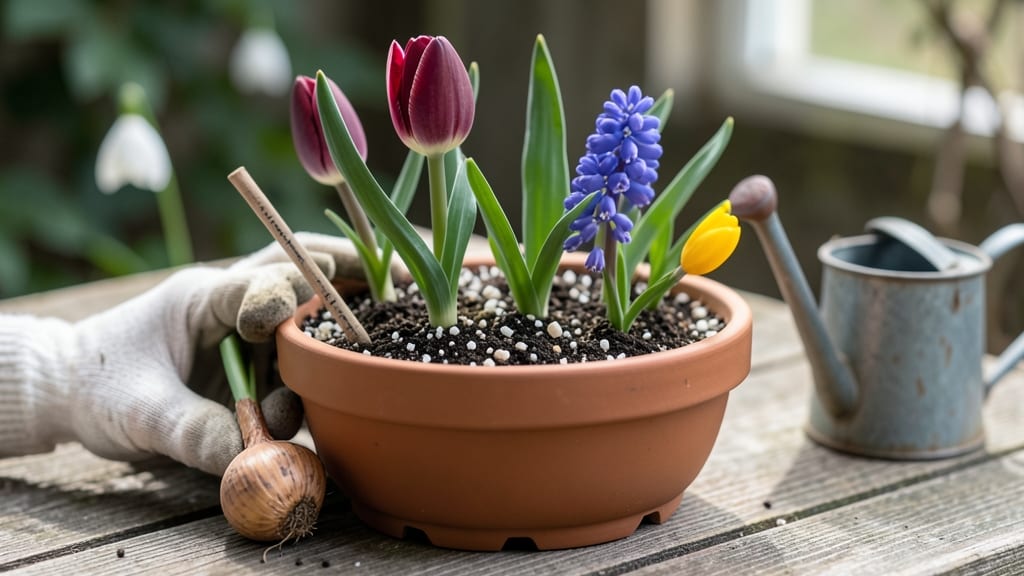
To plant bulbs in pots at the right time means starting 6–8 weeks before your first frost — or in early spring if you’re in a mild zone.
Picture this: you’ve set up your cozy pots, but your tulips refuse to bloom, or worse, they rot before showing off their colors. The secret? Most bulbs need a chill period to trigger flowering, and timing that wrong means wasted effort.
I’ve learned the hard way that rushing or delaying can turn your spring dreams into a sad, leafy mess.
Whether you’re in USDA Zone 6a or a warmer climate, the rules change. Cold-hardy bulbs like tulips and daffodils thrive when planted in fall, while tender types (like paperwhites) can go in anytime.
Below, I’ll break down the exact schedule, plus how to mimic winter indoors if you miss the outdoor window.
You’ll discover how to pre-chill bulbs for reliable blooms, spot the 5 biggest mistakes that kill potted bulbs, and keep your pots happy from planting to peak bloom. No more guesswork — just vibrant, on-time flowers.
Best planting timeline for potted bulbs by chill-requirement type
Getting your potted bulbs to bloom on schedule isn’t just about sticking them in soil—it’s about understanding their chill requirements. Cold-hardy bulbs like tulips and daffodils need winter’s chill to trigger blooms, while tender varieties like paperwhites can force-bloom indoors without frost.
The key? Planting at the right time for your USDA zone and bulb type.
For USDA zones 3–7, most bulbs thrive when planted in fall (6–8 weeks before first frost). In warmer zones (8–10), opt for early spring planting or use pre-chilling methods.
Below, I’ve broken down the exact timelines for cold-hardy vs. tender bulbs, plus zone-specific deadlines to avoid rot or missed blooms.
Pro Tip: Use well-draining potting mix with perlite or sand to prevent soggy soil, which is a common killer of potted bulbs. Always plant bulbs 2–3 times deeper than their diameter—this rule applies to both chill-loving and tender varieties.
| Bulb Type | Chill Requirement | USDA Zones 3–7 (Fall Planting) | USDA Zones 8–10 (Spring Planting) | Pre-Chill Method (Indoor Forcing) | Bloom Time |
|---|---|---|---|---|---|
| Tulips | 12–16 weeks of 40–50°F chill | October–November (6–8 weeks before frost) | February–March (after last frost) | 12–16 weeks at 35–45°F in fridge | Spring (March–May) |
| Daffodils | 10–12 weeks of 35–50°F chill | September–October (earlier than tulips) | January–February | 10–12 weeks at 35–45°F | Early Spring (March–April) |
| Hyacinths | 12–15 weeks of 35–50°F chill | September–October | February (with pre-chill) | 12–15 weeks at 35–45°F | Spring (April–May) |
| Paperwhites | None (tender bulb) | Not recommended (rot risk) | September–October (indoor pots) | 0 weeks (plant anytime, force-bloom) | Winter (December–January) |
| Crocus | 8–10 weeks of 35–50°F chill | September–October | January–February | 8–10 weeks at 35–45°F | Early Spring (February–March) |
| Amaryllis | 0–4 weeks of 50–60°F (mild chill) | Not ideal (use indoor pots) | July–August (summer planting) | 0–4 weeks at 50–60°F | Winter (November–December) |
Notice how paperwhites and amaryllis don’t need chill periods—they’re perfect for indoor forcing. But if you’re growing tulips or hyacinths in pots in warm climates, you’ll need to mimic winter by pre-chilling them in your fridge for 12–16 weeks before planting. I’ll cover this in detail in the next section!
For USDA zones 3–5, aim to plant 6–8 weeks before your first frost date. In zone 6, this typically means late September to early October. Zones 7–10 can plant 2–4 weeks later or shift to spring planting.
Always check your local frost dates—rot is the #1 killer of potted bulbs when planted too early.
One mistake I see often? Using regular garden soil in pots. Bulbs need fast-draining mixes to prevent root rot. Mix 50% potting soil, 30% perlite, and 20% compost for the best results. Add a handful of gravel or sand to the bottom of the pot for extra drainage.
After planting, place pots in a cool, dark spot (like a garage) for 4–6 weeks. This mimics winter conditions and helps roots establish before blooming. Once shoots appear, move pots to a bright, sunny location (6+ hours of light daily) to encourage flowering.
Water sparingly until growth starts—overwatering is the silent bloom-killer.
For tender bulbs like paperwhites, skip the fridge and plant directly in pots with 1 inch of water at the bottom. Place them in a sunny window or under grow lights, and they’ll bloom in just 6–8 weeks.
No chill needed! This is my go-to trick for holiday centerpieces—just plant in September for December blooms.
Remember: Bulbs in pots dry out faster than in-ground plants. Check soil moisture weekly and adjust watering based on your climate.
How to pre-chill bulbs in pots for faster, healthier blooms
Not all bulbs can handle outdoor winter conditions, especially in warmer climates. Pre-chilling mimics nature’s dormancy period, ensuring bulbs like tulips and hyacinths bloom on schedule. Without this step, you might end up with weak stems or no flowers at all.
The key is recreating 40–50°F temperatures and moderate humidity for 8–12 weeks before planting.
Start by choosing the right potting mix—a blend of peat moss, perlite, and compost works best. Add a handful of slow-release fertilizer to the bottom of the pot to give roots a nutrient boost during dormancy.
Place your bulbs pointy end up, spaced just 1 inch apart in the pot, then cover them with 2 inches of soil.
Step-by-Step Pre-Chilling Guide
- 1
- 2
- 3
- 4
- 5
Troubleshooting is key—if your bulbs sprout too early, return them to the fridge for another 2–4 weeks. For mold issues, increase airflow by removing plastic and adding perlite to the soil. And if bulbs rot, ensure pots have drainage holes and avoid overwatering during dormancy.
With this method, you’ll get healthier blooms and longer vase life—worth the extra effort! Test it with paperwhites first; they’re forgiving and bloom in just 6–8 weeks of chilling. Happy pre-chilling! 🌱