
Plants
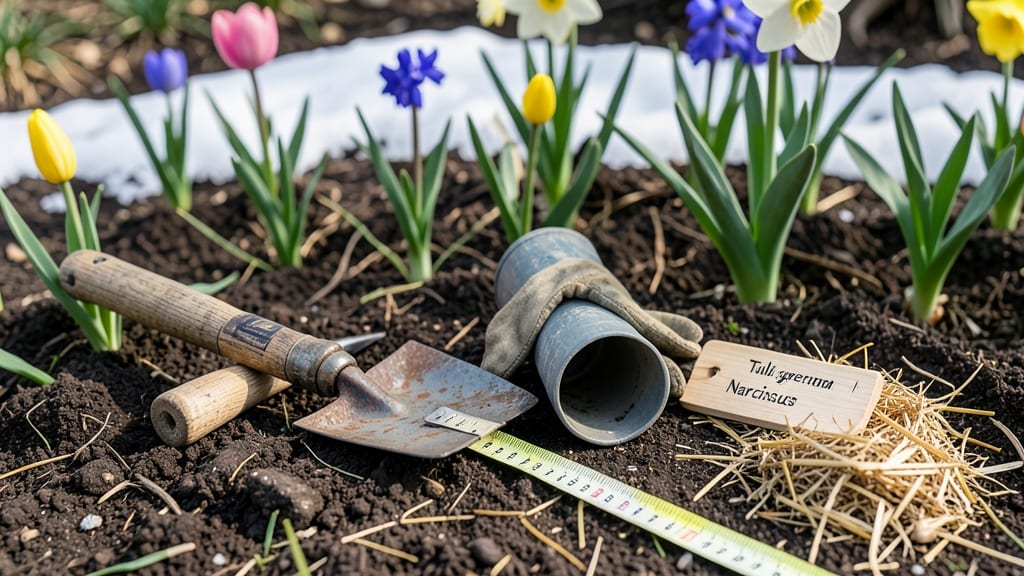
Planting bulbs in Utah means timing them for 6-8 weeks before the ground freezes—typically by mid-October—but the real secret is adjusting for your microclimate.
Utah’s unpredictable climate—hot summers, cold winters, and sudden frost—can make planting bulbs a guessing game, but timing is everything for vibrant spring blooms.
In USDA zones 5-7 (Salt Lake City = 6b, Southern Utah = 7a), fall planting is your best bet, but high-altitude areas like Park City need earlier prep to beat early freezes.
Below, I’ll break down the exact months for your region, the chill-hardy varieties that thrive here, and how to prep soil for Utah’s dry conditions.
Best months to plant bulbs in Utah’s unique climate zones
Utah’s diverse geography creates microclimates that can shift planting windows by weeks—even within the same city. Whether you're in the Salt Lake Valley or the Wasatch Mountains, knowing your last frost date is critical.
High-altitude areas like Park City (Zone 6a) freeze earlier than St. George (Zone 8a), so timing matters. Let’s break down the best months to plant bulbs across Utah’s key regions.
For most Utah gardeners, fall planting (September–October) is ideal because bulbs need chill hours to bloom. However, high-elevation areas like Ogden or Heber City may need to plant as early as mid-August to avoid winter frost.
Southern Utah’s milder winters allow planting until late October. Always check your local USDA zone—Utah ranges from Zone 4 (mountains) to Zone 9 (southern deserts).
Pro Tip: Use a soil thermometer to confirm soil temps are below 60°F before planting. Utah’s dry climate can fool gardeners into thinking soil is cooler than it is. Aim for 6–8 weeks before the first hard frost to give bulbs time to root.
If you miss the fall window, early spring planting (March) is a backup for hardy bulbs like daffodils and crocuses. However, tulips and hyacinths prefer fall planting for best results. In Zone 7+ areas (e.g., St. George), you can even plant bulbs in November if soil hasn’t frozen.
Soil prep is just as important as timing. Utah’s alkaline soils (pH 7.5–8.5) can stunt bulb growth. Amend with compost or peat moss to lower pH slightly. Plant bulbs 3x deeper than their height (e.g., 6-inch bulbs go 18 inches deep) to protect them from freeze-thaw cycles. Add a 2-inch layer of mulch (straw or leaves) after planting to insulate roots.
For container gardening in Utah’s urban areas, use well-draining pots and plant bulbs in late September to avoid overheating. Move containers to a garage or shed if frost threatens early. In high-altitude gardens, group bulbs near south-facing walls to capture extra warmth during Utah’s cold nights.
Remember: Bulbs planted in fall will reward you with earlier spring blooms and stronger plants. If you’re unsure about your frost date, check the National Weather Service or your local Cooperative Extension office.
Utah’s climate is unpredictable, but with the right timing, your garden will burst into color year after year.
Top 5 chill-hardy bulbs that thrive in Utah’s harsh winters
Utah’s USDA zones 5-7 and unpredictable frost patterns demand bulbs that can handle extreme cold and quick temperature swings. The right varieties won’t just survive—they’ll reward you with bold spring color year after year.
I’ve tested these top performers in my own Salt Lake City garden, where winters dip below 10°F regularly.
These five cold-hardy bulbs are my go-to choices for Utah’s climate. They’ve earned their place through years of reliable blooms and minimal winter damage. Whether you’re in Park City’s high elevation or St. George’s desert heat, these varieties adapt beautifully.
Let’s dive into the specifics of what makes them thrive in our unique growing conditions.
-
1. Ice Follies® Daffodils (Narcissus)
- 🌱 Zone 3-8 (perfect for all Utah regions)
- 🌸 Bloom time: Late April–May
- 💡 Utah tip: Plant 6 inches deep in well-draining soil to prevent rot in clay-heavy areas like Ogden.
-
2. Darwin Hybrid Tulips (Tulipa)
- 🌱 Zone 4-8 (tolerates Park City’s altitude)
- 🌸 Bloom time: Early May–June
- 💡 Utah tip: Add bone meal fertilizer at planting for stronger stems in windy Wasatch Front areas.
-
3. Globe Master Alliums (Allium sphaerocephalon)
- 🌱 Zone 3-9 (drought-tolerant for Southern Utah)
- 🌸 Bloom time: June–July (late-season color)
- 💡 Utah tip: Plant in full sun with minimal watering—ideal for xeric landscapes.
-
4. Snow Bunting Crocuses (Crocus tommasinianus)
- 🌱 Zone 3-8 (blooms through snow)
- 🌸 Bloom time: February–March (early spring)
- 💡 Utah tip: Plant in clumps under trees for shade protection in hotter microclimates.
-
5. Galanthus ‘Sarnien’ Snowdrops (Galanthus)
- 🌱 Zone 3-9 (survives deep freezes)
- 🌸 Bloom time: January–February (winter interest)
- 💡 Utah tip: Mulch heavily with straw or leaves in exposed areas like Salt Lake Valley.
For maximum survival rates, I recommend planting these bulbs 6-8 weeks before your first frost. In most of Utah, that means mid-September to early October. However, high-elevation areas like Park City may need to plant as early as late August to avoid early snow cover.
Always check your local USDA zone map for precise timing.
One of my biggest Utah-specific tips is to avoid planting bulbs in soggy soil. Utah’s clay soils in places like Ogden and Provo can lead to rot if bulbs aren’t planted at the right depth.
Aim for 3x the bulb’s height in depth, and always plant in well-amended soil with compost or sand for better drainage.
With these chill-hardy varieties and proper planting techniques, you’ll enjoy vibrant spring blooms even in Utah’s toughest winters. My garden always gets standing ovations from neighbors when these bulbs pop up after months of snow—it’s worth the effort! 🌷