
Plants
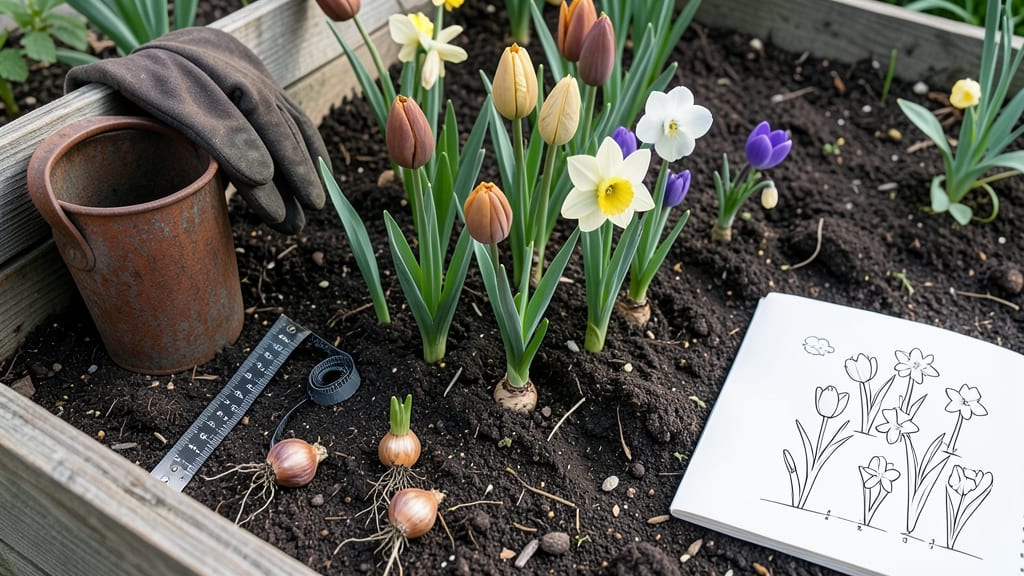
Planting bulbs in Zone 8a at the right time ensures vibrant spring blooms 🌱—aim for late fall or early spring, when soil temps dip below 60°F.
Struggling to time your bulb planting for reliable Zone 8A blooms? Planting too early can rot bulbs in warm soil, while waiting too long risks weak roots before winter. The key is a 6-8 week window before the first frost—here’s how to nail it.
Zone 8a’s mild winters and hot summers mean classic spring bulbs like tulips and daffodils need special timing. Plant them in October or November for roots to establish before winter, or wait until February or March for a second chance.
Below, I’ll break down the exact months for each bulb type, soil prep secrets, and how to adjust for coastal vs. inland microclimates—so you avoid the two biggest mistakes gardeners here make.
Best planting months for spring-blooming bulbs in Zone 8A (with exact dates)
Zone 8A gardeners know the struggle: timing bulb planting wrong can mean weak roots or no spring blooms at all. Unlike colder zones, our mild winters and hot summers demand precise scheduling.
Plant too early, and bulbs rot in damp soil; too late, and they struggle to establish before heat arrives. Here’s the exact schedule I follow for tulips, daffodils, hyacinths, and other spring favorites.
For Zone 8A’s unique climate, I prioritize fall planting (6-8 weeks before first frost) with a backup window in early spring. Most bulbs need 60-70°F soil to root—too hot or cold, and they fail.
My go-to months are October-November for fall planting, with February-March as a second chance for missed opportunities.
Here’s the exact timeline I use for each bulb type, including adjustments for heat tolerance and soil moisture in Zone 8A:
For late fall plantings (after November), I switch to early spring (February-March) to avoid winter rains that can cause rot. For example, I plant tulips in February if I missed fall, but I skip hyacinths—they need that fall chill to bloom.
Always test soil moisture before planting; Zone 8A’s clay soil stays damp longer than you’d think.
Pro tip: Use a soil thermometer to confirm temps. Aim for
How to adjust planting for Zone 8A’s unique climate (heat, humidity, and late freezes)
Zone 8A’s mild winters and hot summers create a tricky balance for bulb planting. Unlike colder zones, bulbs here face rot risks from lingering moisture and late freezes that can damage tender shoots. The key? Adjusting timing and care to match this unpredictable climate.
Most spring-blooming bulbs like tulips and daffodils need 6-8 weeks of cool soil to root before winter. But in Zone 8A, planting too early (like September) risks premature sprouting—those shoots will fry in October’s heat. Wait until mid-October to November for the safest window.
Never plant summer bulbs (dahlias, cannas) before May 15! These tropical beauties cannot tolerate frost—even a 28°F night in late spring will kill them. Wait until soil temps stay above 60°F consistently. Use row covers if early blooms appear before Memorial Day.
For fall-planted bulbs, focus on drainage—Zone 8A’s heavy clay soils trap moisture, causing rot. Amend beds with compost and sand to a depth of 12 inches. Plant bulbs deeper than usual (8-10 inches) to shield them from temperature swings near the surface.
Summer bulbs like cannas and dahlias thrive in Zone 8A’s heat but need protection from late freezes. Plant them after Memorial Day (mid-May) and mulch heavily with straw to insulate roots.
If frost threatens in November, dig up tender bulbs and store them in dry peat moss at 40-50°F.
Watering is critical—overhead watering at night promotes fungal diseases in humidity. Instead, deep-water in mornings and let soil dry slightly between waterings. After planting, mulch with 2-3 inches of pine straw to regulate soil temps and retain moisture without suffocating bulbs.
Pro tip: Use heat-tolerant bulbs like rain lilies or spider lilies for summer color. These handle Zone 8A’s 90°F+ temps better than traditional spring bulbs. Plant them in late spring (April-May) when soil warms to 65°F.