
Plants
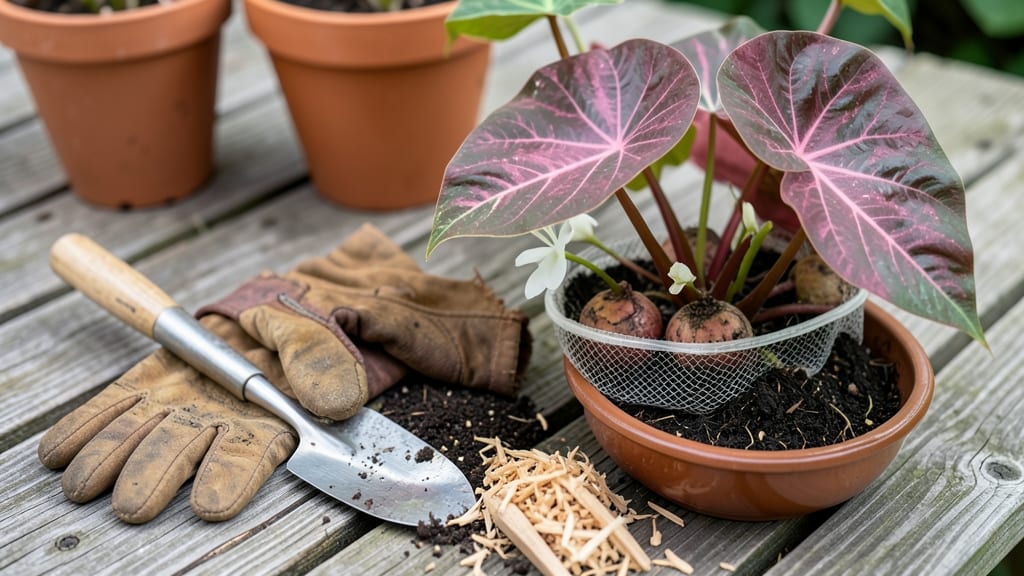
Planting caladium bulbs in Alabama after the last frost — typically late March to mid-April — is your ticket to summer-long tropical foliage.
Alabama’s scorching summers demand precise timing for caladium bulbs — plant too early, and they’ll wilt; too late, and you’ll miss their vibrant foliage entirely. Master the perfect schedule to transform your garden into a lush, heat-tolerant paradise.
This isn’t just about timing — it’s about soil warmth, humidity, and protecting those delicate tubers from unexpected late frosts. In zones 7B-8A, the key is waiting until the ground reaches 65°F and all frost risk has passed.
Below, I’ll walk you through the exact planting window, soil prep secrets, and care tips to keep your 🌿 caladiums thriving all season long.
Best planting timeline for caladium bulbs in Alabama’s climate zones
Alabama’s USDA zones 7B and 8A create a unique challenge for caladium bulbs—these tropical beauties thrive in heat but need precise timing to avoid frost damage or stunted growth.
The key is planting when soil temperatures consistently stay above 65°F, typically after your last frost date, which usually falls between mid-March and early April across the state.
Northern Alabama gardeners (zone 7B) should wait slightly longer than their southern counterparts (zone 8A) to ensure safety from late frosts.
Caladiums are heat-loving annuals that produce stunning foliage once established, but they despise cold. Planting too early risks frost damage, while planting too late may delay their vibrant displays. The ideal window spans from late March to mid-April, aligning with Alabama’s warming trends.
For container growers, you can push this timeline slightly earlier by using heat mats or moving pots indoors during unexpected cold snaps.
For zone 7B gardeners in northern Alabama (think Huntsville or Decatur), focus on planting between late March and early April when nighttime temperatures consistently stay above 50°F. Use a soil thermometer to confirm warmth—caladiums won’t thrive until the ground reaches 65°F at least 6 inches deep.
In zone 8A (like Mobile or Dothan), you can start slightly earlier, around mid-March, but always monitor local forecasts for unexpected cold snaps.
Pro tip: If you’re eager to jumpstart your display, you can pre-sprout bulbs indoors in late February using a seedling heat mat. Place them near a sunny window or under grow lights until shoots emerge, then transplant outdoors after the last frost.
This gives you a 2-3 week head start on neighbors who plant later. Just be prepared to move containers indoors if frost threatens!
After planting, mulch heavily with 2-3 inches of organic mulch (like shredded bark) to retain moisture and regulate soil temperature. Caladiums love humidity, so consider grouping them with other shade-loving plants like impatiens or ferns to create a microclimate.
In Alabama’s humid summers, this helps prevent leaf scorch and keeps foliage vibrant longer.
One common mistake is assuming "spring planting" means March 1st—but Alabama
How to prepare Alabama soil for caladium bulbs before planting
Caladium bulbs thrive in tropical conditions, and Alabama’s warm climate is perfect—once you prepare the soil correctly. These moisture-loving plants need rich, slightly acidic soil to prevent bulb rot and encourage vibrant foliage. Without proper prep, your caladiums may struggle even in ideal Alabama heat.
Start by testing your soil pH—caladiums prefer a range of 6.0 to 6.5. Alabama’s native soil often leans alkaline, so you’ll likely need to amend it. I recommend using sulfur-based amendments or peat moss to lower pH gradually. Avoid quick fixes like vinegar, which can disrupt soil microbes.
- 🌱 Test Soil pH
- 💧 Add 3-4 inches of compost
- ☀️ Mix in perlite for drainage
- 🪴 Apply 2-inch mulch layer
Next, focus on organic matter—caladiums crave nutrient-rich soil. Work in 3-4 inches of compost or well-rotted manure before planting. For container gardens, blend 50% potting mix with 50% peat moss or coconut coir to mimic their natural tropical habitat.
Alabama’s clay-heavy soils benefit from perlite or vermiculite to improve drainage and prevent waterlogged roots.
Moisture control is critical—caladiums despise soggy soil but need consistent dampness. After amending, water deeply to settle the soil, then apply a 2-inch layer of mulch (straw or shredded leaves work well).
This mimics Alabama’s humid summers while suppressing weeds. Replenish mulch every few weeks to maintain moisture levels, especially during hot, dry spells common in June and July.
For container growers, ensure pots have drainage holes and use a lightweight mix of peat, perlite, and compost. In-ground plantings should be in sheltered spots with afternoon shade to prevent leaf scorch.
I’ve found that east-facing beds with dappled sunlight work best in Alabama’s climate, giving caladiums morning energy without afternoon stress.
Finally, avoid fresh manure—it can burn bulbs and disrupt soil microbes. Instead, use aged compost or a balanced fertilizer (10-10-10) at planting time. Your goal is to create a tropical oasis in your Alabama garden, where caladiums can flourish from late spring through fall without struggling.