
Plants
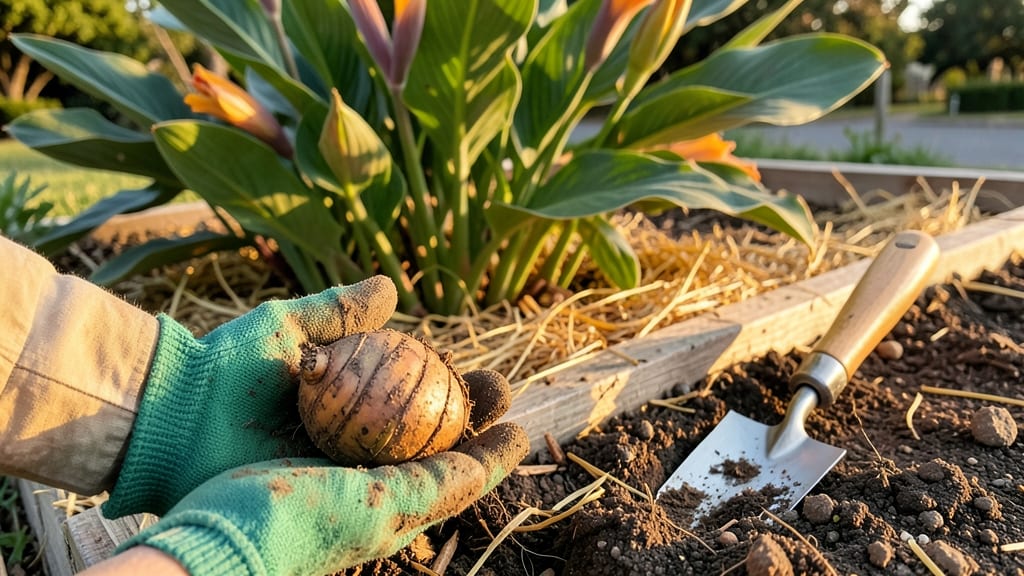
Plant canna bulbs in Nebraska after your last frost date — typically between late April and early May — when soil temperatures hit at least 60°F.
Nebraska gardeners know the struggle—planting too early risks frost damage, while waiting too long means missing those stunning 🌺 summer blooms. But with Nebraska’s 5a-6b climate, timing these tropical beauties is all about understanding their chill-triggered growth patterns.
Unlike some plants, cannas need 30-60 days of cooler temps (40-60°F) to break dormancy before they’ll thrive in Nebraska’s heat. That means pre-chilling bulbs indoors or in a garage in early spring can give you a head start on vibrant growth once the frost is gone.
Below, I’ll walk you through the exact planting timeline for your zone, soil prep tips to keep them happy, and how to protect them when Nebraska’s first frost rolls around in October.
Best planting timeline for canna bulbs in Nebraska’s climate zones
Nebraska’s USDA zones 5a-6b create a unique challenge for growing canna lilies—these tropical plants need warmth but also benefit from a cooling period to trigger blooms. The key is planting after your last frost date (typically mid-April to early May), when soil temperatures consistently stay above 60°F.
This timing ensures your cannas thrive without early frost damage while maximizing their summer-to-fall bloom window.
For in-ground planting, wait until May 1-15 in most of Nebraska—this gives soil time to warm while avoiding late frosts.
In containers, you can start 2-4 weeks earlier (late April) since pots warm faster. Soil temperature is your best guide: use a soil thermometer to confirm 60°F+ before planting. Cold soil slows growth and delays blooms.
Here’s your month-by-month planting guide for Nebraska’s zones, including adjustments for early vs. late varieties and container growing:
| Month | In-Ground Planting | Container Planting | Soil Temp Threshold | Notes |
|---|---|---|---|---|
| April (Late) | ❌ Avoid (risk of frost) | ✅ Start in pots (if soil >60°F) | 60°F+ | Use black pots to warm soil faster |
| May 1-15 | ✅ Ideal window (after last frost) | ✅ Transplant from pots | 60-70°F | Plant 2-4" deep, 12-18" apart |
| May 16-31 | ✅ Still safe (late varieties) | ✅ Direct sow in pots | 65°F+ | Mulch to retain heat |
| June | ⚠️ Possible (if missed May) | ✅ Last chance for containers | 70°F+ | Expect smaller blooms |
| July+ | ❌ Too late (minimal growth) | ❌ Not recommended | N/A | Focus on established plants |
For USDA zone 5a (western Nebraska), push planting to May 15-30—cooler nights delay soil warming.
In zone 6b (southeast), you can start as early as April 25 if using row covers for frost protection. Container gardeners have flexibility: black pots absorb heat faster, letting you plant 2-3 weeks earlier than in-ground.
After planting, monitor for new shoots within 2-3 weeks. If growth stalls, check soil moisture—cannas need 1-2 inches of water weekly during Nebraska’s hot, dry summers.
A mulch layer (3-4 inches of straw) helps retain moisture and regulates soil temperature, which is critical for tropical cannas in Nebraska’s variable climate.
Pro tip: Pre-chill rhizomes for 4-6 weeks at 40-60°F before planting to mimic Nebraska’s spring cooling. This triggers earlier blooms and stronger stems. Store rhizomes in a paper bag in your fridge’s crisp drawer (not the freezer!) starting in March.
For extended blooms, deadhead spent flowers and fertilize with a balanced 10-10-10 every 4-6 weeks. In Nebraska’s short growing season, this encourages late-summer to fall blooms when many other plants fade. Canna lilies are frost-sensitive, so plan to dig and store rhizomes before Nebraska’s first frost (mid-October).
If you’re new to cannas, start with dwarf varieties like ‘Pyramid’ or ‘Striped’—they’re more forgiving for Nebraska’s cooler summers in zones 5a-5b. These varieties also reach maturity faster (3-4 feet tall) compared to standard types, giving you earlier blooms and longer color before frost.
Remember: Patience pays off with cannas. While they’re tropical plants, Nebraska gardeners prove they thrive with the right timing and care. By following this month-by-month guide, you’ll enjoy bold, vibrant blooms from July through October—just in time for Nebraska’s golden autumns. 🌺
How Nebraska’s chill requirements trigger canna growth
Canna bulbs—those vibrant tropical showstoppers—rely on a 30-60 day chill period between 40-60°F to break dormancy. In Nebraska’s USDA zones 5a-6b, this natural cold snap mimics their native winter conditions, jumpstarting growth when warm weather arrives.
Without this chill trigger, your cannas may sprout slowly or produce fewer blooms, leaving you with half the summer spectacle you deserve.
Nebraska’s cool spring months (March-April) provide the perfect natural chilling window for canna rhizomes. If you plant too early, the bulbs won’t wake up in time for peak summer blooms.
But if you wait until after the last frost (mid-April in most areas), you might miss the chill period entirely, delaying your cannas’ grand entrance by weeks.
Here’s the key: Pre-chill your canna bulbs for 4-6 weeks before planting. This mimics Nebraska’s natural conditions but gives you control over timing.
Whether you use a refrigerator, garage, or unheated basement, keeping rhizomes in a 40-60°F environment ensures they’ll burst into growth as soon as soil temperatures rise above 60°F.
Natural Chilling vs. Artificial Chilling for Nebraska Cannas
- ✅ Uses Nebraska’s cool spring (March-April)
- ✅ Free and low-maintenance
- ✅ Best for outdoor storage (garage, shed)
- ❌ Depends on weather timing
- ❌ Risk of frost damage if left outside
- ✅ Controlled timing for precise planting
- ✅ Protects from late frosts
- ✅ Works in containers or bags
- ❌ Requires space in fridge/garage
- ❌ Needs monitoring (40-60°F range)
If your cannas sprout too slowly after planting, they likely didn’t get enough chill time. To troubleshoot, check if rhizomes were stored in consistently warm conditions (like a heated garage) before planting.
For a quick fix, move potted cannas to a cooler spot (like a shaded porch) for 1-2 weeks to mimic the missing chill period.
Pro tip: Extend Nebraska’s growing season by planting cannas in containers—they’re easier to move indoors before the first frost (mid-October). With proper chilling and care, your cannas will reward you with bold blooms from July until frost, making every hour of prep worth it.
Remember, cannas thrive on warmth and sunlight, but their chill requirement is non-negotiable. Master this step, and you’ll turn Nebraska’s unpredictable spring into a predictable path to summer glory. 🌺