
Plants
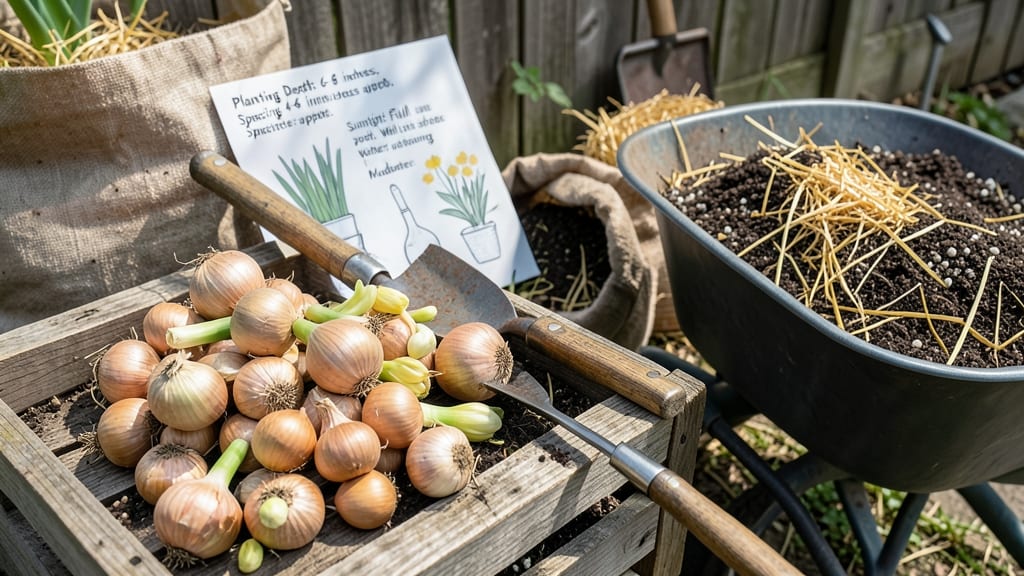
Planting daffodil bulbs in Georgia between October and November sets them up for a showstopping spring display 🌼 — but miss the window, and you risk weak blooms or no flowers at all.
Georgia’s mild winters and warm springs create the perfect conditions for vibrant daffodils—but timing is everything to ensure your bulbs bloom spectacularly next year. Plant too early, and they’ll rot; too late, and they won’t root before winter.
Most of Georgia falls in USDA Zones 7b-8b, where the ground freezes by mid-November. That means your 6-week planting window (October-November) is tight, but worth perfecting for bulbs that multiply and return year after year.
Below, I break down the exact months to plant in your zone, how deep to bury those bulbs, and the soil prep tricks that keep Georgia’s humidity from turning your bed into a soggy mess.
Best months to plant daffodil bulbs in Georgia (with climate zones)
Georgia’s 7 USDA climate zones (7a-8b) create unique conditions for planting daffodil bulbs. Unlike northern states, our mild winters allow a longer planting window—but timing still matters to ensure robust spring blooms.
The key is planting 4-6 weeks before the ground freezes, typically between mid-October and mid-November, while avoiding Georgia’s unpredictable early frosts.
In Zone 7a (northwest Georgia), where frosts arrive earlier, aim for early October planting. Meanwhile, Zone 8b (southwest Georgia) can handle November plantings with minimal frost risk.
The difference in frost dates across Georgia means your planting schedule should adjust based on your local microclimate—not just the zone number.
Here’s a quick reference for Georgia’s optimal planting windows by zone, including adjustments for early/late frosts:
For Zone 7a gardeners, early October is ideal, but if you miss that window, November plantings can still work if the ground hasn’t frozen.
In Zone 8b, you have flexibility until early December, but avoid planting too late—bulbs need 6-8 weeks of root growth before winter to establish properly.
Georgia’s humid subtropical climate can bring early frosts, especially in northwest Georgia (Zone 7a). If your local forecast predicts an early freeze, prioritize planting by October 15 to ensure bulbs root before the ground hardens.
Use a soil thermometer to check if temperatures drop below 50°F (10°C)—this is your cue to stop planting.
In southern Georgia (Zones 8a-8b), where winters are milder, you can push planting into early December. However, avoid planting after December 15, as bulbs may not establish enough roots before spring growth begins.
If you’re unsure about your frost dates, check the National Weather Service’s local frost predictions or use a frost-freeze calendar for your county.
One common mistake Georgia gardeners make is waiting too long to plant. Daffodil bulbs planted in late November or December often fail to bloom the following spring because they don’t get enough root growth before the ground warms.
To avoid this, mark your calendar for mid-October to mid-November as your primary planting window, with adjustments based on your zone.
If you’re in a transition zone (e.g., between 7b and 8a), consider splitting your planting into two batches: one in early October and another in mid-November. This hedges your bets against unpredictable frost patterns.
For example, Atlanta (Zone 7b) might see an early frost in late October, while Savannah (Zone 8a) could have mild winters with no frost until January.
Pro tip: Use mulch (2-3 inches of straw or pine needles) after planting to insulate bulbs and regulate soil temperature. This is especially helpful in Zone 7a, where temperature swings can stress newly planted bulbs. Mulch also suppresses weeds, reducing competition for nutrients during the critical rooting phase.
Finally, don’t forget that daffodil bulbs thrive in well-draining soil. Georgia’s clay-heavy soils in some areas (like middle Georgia) can cause bulbs to rot if water pools around them. Amend your soil with compost or sand before planting to improve drainage.
With the right timing and soil prep, your daffodils will reward you with bright, cheerful blooms by late winter or early spring.
How to prepare your Georgia soil and site for daffodil bulbs
Daffodils thrive in Georgia’s humid subtropical climate, but their success depends on well-prepared soil and the right site conditions. Georgia’s clay-heavy soils and occasional wet winters require special attention to ensure your bulbs establish strong roots before spring blooms.
The key is creating a drainage-friendly, nutrient-rich environment while protecting them from Georgia’s heavy rainfall and deer activity.
Start by selecting a sunny planting spot that receives at least 6 hours of sunlight daily. Daffodils need full sun to develop their iconic bright blooms, and Georgia’s Zone 7b-8b climate provides perfect conditions when paired with proper soil prep.
Avoid low-lying areas where water pools, as waterlogged soil can rot bulbs before they even sprout.
Test and Amend Your Soil
Use a soil pH test kit to check your garden’s acidity—daffodils prefer pH 6.0-7.0. Georgia’s native soils often test slightly acidic, so add garden lime if needed. Mix in 2-3 inches of compost or well-rotted manure to improve drainage and fertility.
Improve Drainage in Heavy Clay
If your soil feels sticky when wet, amend it with coarse sand or perlite to break up compaction. For containers, use a 50/50 mix of potting soil and perlite. Raised beds are ideal for Georgia gardens, as they prevent water from pooling around bulbs during our wetter winters.
Choose the Right Planting Depth
Plant bulbs 6-8 inches deep (twice their height) in well-drained soil. In Georgia’s Zone 8b, where winters are milder, deeper planting helps protect bulbs from freeze-thaw cycles. Space bulbs 4-6 inches apart to allow airflow and reduce fungal risks.
Apply Mulch for Winter Protection
After planting, cover the bed with 2-3 inches of mulch (pine straw or shredded leaves work well in Georgia). Mulch insulates bulbs from temperature swings and suppresses weeds. Avoid thick layers that could smother emerging shoots in spring.
Protect from Pests and Deer
Georgia’s deer and squirrels love digging up bulbs. Use deer-resistant plants (like fritillaries) as borders or install chicken wire cages around new plantings. A light granular repellent around the bed also deters pests without harming the soil.
After preparing your site, water the area deeply but infrequently—daffodils need moderate moisture but hate soggy soil. In Georgia’s humid climate, overwatering can lead to rot or fungal diseases, so aim for 1 inch of water per week during establishment.
Once bulbs are planted, let nature take its course—they’ll reward you with bold spring color for years to come.
With these steps, your Georgia garden will be ready to support healthy daffodil growth, even in our challenging soil conditions. The key is patience and preparation—your bulbs will thank you with vibrant blooms that brighten up Georgia’s mild winters and early springs. 🌼