
Plants
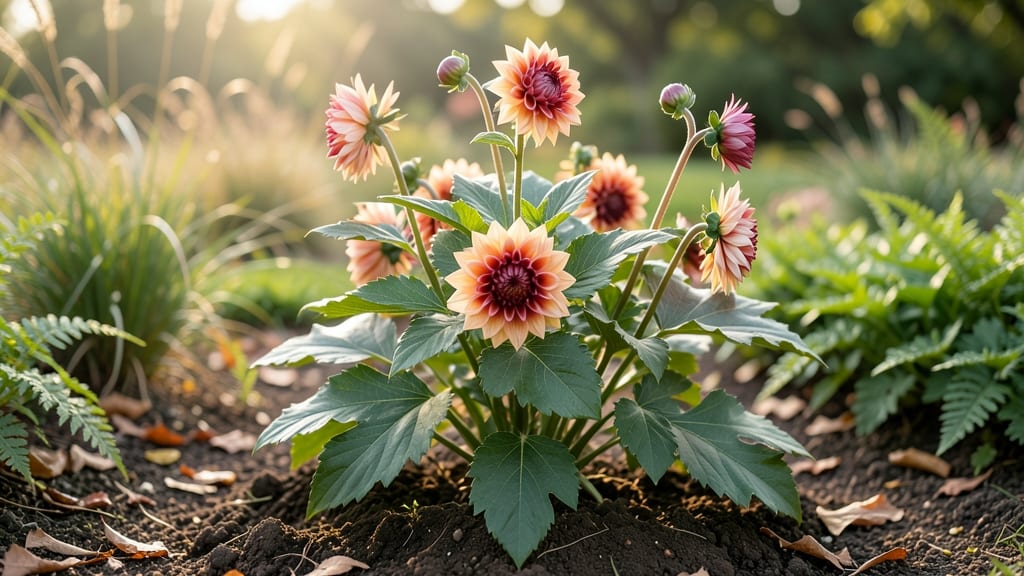
To plant dahlia bulbs in Oregon, aim for late spring after your last frost—typically mid-May for inland areas or early May for coastal zones like Portland.
Oregon’s mild but unpredictable climate can leave gardeners unsure about the perfect time to plant dahlia bulbs—but getting the timing right is key to vibrant blooms all summer long.
One wrong move, and you risk frost damage or stunted growth, which is why knowing your local chill hours (300-500 hours below 45°F) makes all the difference.
Most gardeners in Zone 8a-9a wait until soil temperatures hit 60°F and all frost risk has passed, usually between April 15 and May 15. Coastal areas can plant a little earlier, while inland spots like Bend should hold off until late May to avoid late frosts.
In this guide, you’ll learn how to time your planting for maximum blooms, from checking soil temps to adjusting for microclimates—plus pro tips to keep your dahlias thriving until early fall.
Oregon Zone 8 chill-hours requirements for dahlias: what you need to know
Oregon’s Zone 8 climate offers a unique challenge for growing dahlias—the mild winters and unpredictable springs make timing critical. Unlike frost-sensitive plants, dahlias need 300-500 chill hours (temperatures below 45°F) to break dormancy properly.
In coastal areas like Portland, this typically happens naturally, but inland regions like Salem may require adjustments.
Understanding your local chill-hour accumulation is the key to determining when to plant. Most Oregon gardeners in Zone 8 should aim for late March to early April for outdoor planting, but this varies based on microclimates.
For example, Eugene often accumulates enough chill hours by early March, while Astoria may need to wait until April.
Here’s how to calculate your local chill hours: Use a weather station or online chill-hour calculator (like Oregon State University’s tools) to track daily lows. Once you hit 300-500 hours below 45°F, your dahlias are ready to emerge from dormancy.
This timing ensures they won’t be caught off guard by late frosts.
🌱
If you’re growing tender dahlias (like dinnerplate varieties), prioritize soil temperature over chill hours. Dahlias won’t thrive until the ground reaches 60°F—use a soil thermometer to confirm. In Portland, this usually aligns with mid-April, while Medford may wait until early May.
For gardeners in Zone 8a (like Eugene), consider starting tubers indoors in late February to give them a head start. Place them in pots with well-draining soil and keep them in a cool, bright spot (like a greenhouse or sunny windowsill).
This method helps offset any chill-hour deficits and ensures blooms by summer.
One common mistake is planting too early based on air temperature alone. Always check soil temperature—cold soil can stunt root growth. If you’re unsure, wait until after the average last frost date (typically April 15 for most of Oregon).
For extra protection, use frost cloth if late frosts are forecasted.
🌿
Pro tip: Use mulch (like straw or shredded leaves) after planting to maintain consistent soil temperatures and retain moisture. This is especially important in Oregon’s dry summers, where dahlias can suffer from heat stress if their roots dry out.
Aim for a 2-3 inch layer of mulch around your plants but keep it 6 inches away from the stem to prevent rot.
Finally, remember that dahlias are not frost-tolerant once they sprout. If you’re in a high-risk zone (like the Willamette Valley), consider using row covers or planting in containers that can be moved indoors during unexpected cold snaps.
This extra precaution ensures your dahlia tubers make it through Oregon’s unpredictable springs unscathed.
☀️
Step-by-step planting timeline for Oregon gardeners: from chill-hours to first blooms
Timing is everything when planting dahlia bulbs in Oregon, where Zone 8 microclimates and unpredictable frost dates demand precision. The key window spans late March to early May, but your exact start date depends on whether you're in coastal Portland (warmer) or inland Bend (cooler).
For most gardeners, this means waiting until after your last frost date—typically mid-April to early May—while ensuring soil temperatures stay above 60°F.
I’ve planted dahlias for years in Portland’s Zone 8a climate, and I’ve learned that rushing the process—even by a few weeks—can lead to frost damage or stunted growth. The secret?
Monitoring soil temperature with a simple soil thermometer ($10 at garden centers) and checking Oregon State University’s frost forecasts. Once your soil hits that 60°F threshold, it’s time to dig in!
Your 7-Step Dahlia Planting Timeline
- 1 Late March: Start dahlia tubers indoors (if using tubers, not pre-sprouted bulbs) in potting mix at 60-65°F. Place near a south-facing window or under grow lights.
- 2 Early April: Harden off indoor tubers by moving them outside during the day (protect from frost) and back inside at night for 7-10 days.
- 3 Mid-April: Check soil temperature—plant outdoors only when it’s consistently 60°F+. Use a soil thermometer to confirm (morning readings are most accurate).
- 4 Late April: Plant tubers 4-6 inches deep, 12-18 inches apart in well-draining soil. Mix in compost and a balanced fertilizer (5-10-10) to kickstart growth.
- 5 Early May: Water deeply after planting (1-2 gallons per plant) to settle soil. Mulch with 2-3 inches of straw to retain moisture and suppress weeds.
- 6 June: Stake tall varieties (3-5 ft) with bamboo stakes or cages as stems reach 12 inches tall. Pinch back top growth to encourage bushier plants.
- 7 July-August: Deadhead spent blooms and fertilize every 4-6 weeks with high-phosphorus fertilizer to prolong flowering until first frost.
Pro tip: If you’re in Zone 7 (inland Oregon), wait until mid-May to plant—cooler soils take longer to warm up. I once planted dahlias in early April in Bend, and the late frost in early May wiped out half my tubers. Lesson learned? Patience pays off with dahlias!
Once your dahlias emerge, expect first blooms in 8-12 weeks, depending on the variety. Cactus dahlias often bloom earliest, while giant dinnerplate varieties take longer.
Keep an eye on pests like slugs and aphids, which love tender new growth—apply neem oil or beer traps if you spot them early.
For