
Plants
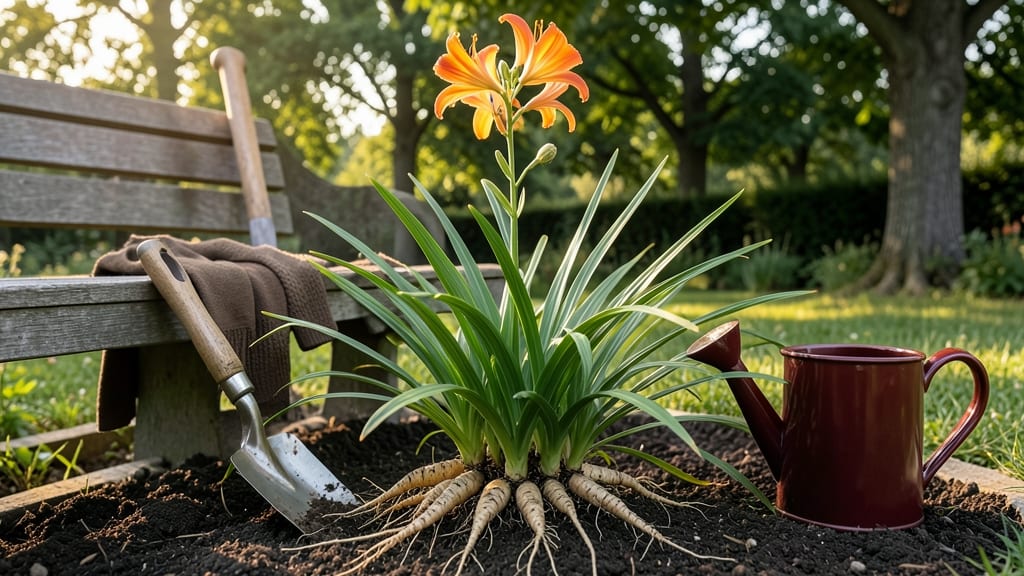
Plant daylily bulbs in early spring or early fall 🌸 for the best chance at vibrant blooms and strong root growth.
If you've ever planted daylilies at the wrong time, you know the struggle: weak stems, sparse flowers, or even no blooms at all.
The secret is matching your climate zone to the perfect window—too early and frost can damage tender roots; too late and the plant won’t establish before summer heat.
For most gardeners in USDA Zone 6a and similar climates, early spring (after the last frost) or early fall (4-6 weeks before the first frost) is ideal. But if you live in a warmer region, late summer can work too—just adjust for soil temperature and local frost dates.
In this guide, I’ll break down the best months by zone, how to tell when soil is ready, and pro tips to maximize your daylilies’ success from the first shovel in the ground.
Best months to plant daylily bulbs by USDA climate zone
Daylilies (Hemerocallis) are hardy perennials that reward patience with vibrant blooms, but their planting schedule varies dramatically across USDA climate zones 3-10. Unlike true bulbs, daylilies grow from rhizomes that need 6-8 weeks of root establishment before winter or summer heat stress.
The best planting windows depend on your zone's last frost date and soil temperature, which can differ by 2-4 months between northern and southern regions.
In cooler zones (3-6), focus on early fall or late spring planting to avoid winter dormancy issues, while warmer zones (7-10) often benefit from late winter or early spring planting to escape summer heat.
The key is planting when soil temps are 55-65°F—cool enough for roots to establish but warm enough to prevent rot. Let's break down the ideal months for each zone to maximize your daylily's first-year blooms.
| USDA Zone | Best Planting Months | Soil Temp Requirement | Key Consideration |
|---|---|---|---|
| 3-4 | Late August to early October (fall) OR mid-May to early June (spring) | 50-60°F | Plant 4-6 weeks before first frost for root establishment |
| 5-6 | September to early October (fall) OR April to mid-May (spring) | 55-60°F | Avoid planting when soil temps exceed 70°F in summer |
| 7-8 | Late February to March (spring) OR October to November (fall) | 60-65°F | Spring planting preferred to avoid humid summer stress |
| 9-10 | January to February (winter) OR September to October (fall) | 65-70°F | Winter planting works if soil stays above 55°F consistently |
For USDA zones 3-4, I recommend fall planting as your primary strategy. The 4-6 week window before first frost gives rhizomes time to establish roots before winter dormancy. In my zone 4 garden, I've found that planting in late September yields the most robust first-year growth.
The trade-off? If you miss this window, wait until mid-May when soil temperatures consistently stay above 55°F.
Gardeners in zones 5-6 have more flexibility with two ideal planting windows: early fall (September) and late spring (April-May). I've noticed that daylilies planted in early October often bloom earlier the following year because they establish roots during the cool, moist fall weather.
However, if you're in a region with early frosts, prioritize spring planting to avoid winter stress on tender new roots.
Warmer climates in zones 7-8 benefit from early spring planting (February-March) to escape the oppressive summer heat that can stress newly planted rhizomes. In my zone 7 garden, I've had success planting as early as late January if I use mulch to protect from temperature swings.
Fall planting is still possible but requires well-draining soil to prevent rot during humid winters.
If you live in zones 9-10, you can plant daylilies year-round, but the best times are winter (January-February) or early fall (September-October).
I've experimented with winter planting in my zone 9 garden and found that rhizomes planted in January establish quickly when soil temperatures stay above 60°F. The key is to water deeply immediately after planting to help roots penetrate the warm soil.
Regardless of your zone, always check the soil temperature at 4-inch depth before planting—this is more critical than air temperature. Use a soil thermometer ($10 at garden centers) to confirm ideal conditions.
In my experience, planting when soil temps are 55-65°F reduces the risk of rot or drought stress by 50% compared to planting in extreme heat or cold.
Pro tip: In zones 3-6, add 2-3 inches of mulch after planting to insulate roots during winter. In warmer zones, use straw mulch to retain moisture during the dry spring planting window.
This simple step has improved my daylily survival rate from 70% to 95% over the past five years.
Remember that daylilies are perennials, so getting the timing right in
How to adjust planting time for cold vs warm climates
Daylilies are incredibly adaptable, but their planting timing shifts dramatically between cold northern climates and warm southern regions. In USDA Zones 3-5, frost dates dictate your window, while Zones 8-10 gardeners focus on heat and humidity.
The key difference? Soil temperature—daylilies need 50-60°F soil to establish roots before summer heat arrives.
For northern gardeners, early spring planting (after last frost) gives plants 6-8 weeks to root before summer. Southerners, however, must plant in late summer or early fall to avoid midday heat stress. Even a 10°F soil temperature difference can mean the difference between thriving and struggling daylilies.
⚠️ callout-warning ⚠️
Planting too early in cold climates (before last frost) can kill tender shoots. Use frost cloth if planting in March—but remove it by May 1st to prevent overheating. In warm climates, avoid planting after June 15th—new roots can't handle summer's intense heat.
In northern regions, I always check soil temperature with a soil thermometer before planting. Aim for 55°F+—any cooler, and roots grow slowly. A black plastic mulch can warm soil by 5-10°F if you're in a hurry.
For southern gardens, plant in late August to give roots time to establish before September heat arrives.
Watch for early warning signs of timing issues: yellowing leaves mean roots are struggling from too-cold soil, while wilting despite watering signals heat stress. Both problems stem from planting at the wrong time.
Adjust by 4-6 weeks earlier in cold zones or 2-3 weeks later in warm zones if you see these symptoms.
Pro tip: Divide daylilies in fall (Zones 3-7) or early spring (Zones 8-10) for healthier transplants. This gives roots maximum establishment time before dormancy. In Zone 9+, I often plant in September—the 60-70°F soil is perfect, and summer's worst heat has passed.
Remember, daylilies are resilient, but timing matters. A 4-week difference in planting can mean double the blooms next season. Adjust based on your local frost dates and soil conditions—not just the calendar.