
Plants
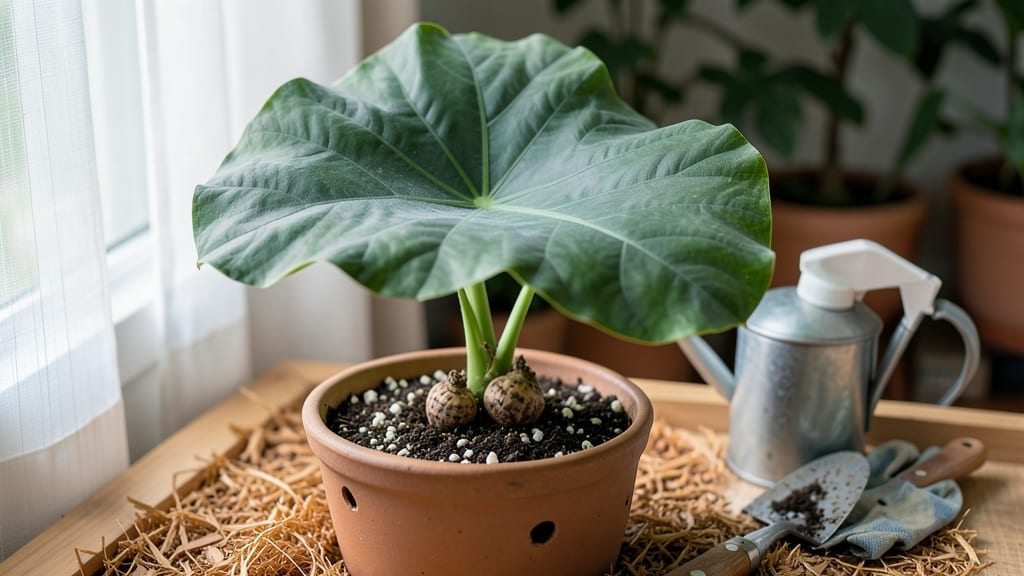
Planting elephant ear bulbs in pots at the right time ensures bold, tropical foliage all season long—wait too long, and you risk stunted growth or even bulb rot.
Picture this: your 🌿 Elephant Ear bulbs sitting in a sunny windowsill, sprouting stubbornly while the soil outside is still too cold. That’s a classic timing mistake, and one that’s easy to avoid with the right cues.
In most of the U.S. (think USDA Zone 6a and warmer), the ideal window opens after your last frost date—typically mid-April or later—when soil temperatures hit a steady 60°F.
Below, I’ll break down exactly how to time your planting for maximum growth, whether you’re in a cool northern climate or a balmy southern zone, plus container-specific tips to keep those roots happy.
Optimal planting timeline for elephant ear bulbs in pots by US hardiness Zones
Elephant ear bulbs (Colocasia spp.) thrive in pots but demand precise timing to avoid cold damage or heat stress. Since they prefer warm soil temperatures between 60-75°F, planting too early in cooler zones risks stunted growth, while late planting in southern climates can cause heat shock.
Your USDA zone determines the perfect window—whether it’s late spring or early summer—plus container-specific adjustments like pot size and drainage.
For containers, timing matters even more than in-ground planting. Pots heat up faster and drain quicker, so you’ll need to adjust for your local frost-free date while ensuring bulbs aren’t exposed to sub-50°F soil.
In Zones 5-7, pre-warming bulbs indoors is often necessary, while Zones 8-11 may require shade protection during peak summer heat. Let’s break down the exact planting windows by zone, including soil temp checks and container prep.
| USDA Zone | Last Frost Date | Ideal Planting Window | Soil Temp Check | Container Tips |
|---|---|---|---|---|
| 5-6 | May 1-15 | Late May to early June | ≥60°F for 7+ days | Use black pots; pre-warm bulbs indoors |
| 7-8 | April 15-May 1 | Mid-April to May | ≥55°F for 5+ days | Ensure 10"+ pots with drainage |
| 9-10 | March 15-April 15 | Late March to April | ≥60°F (soil warms faster) | Provide afternoon shade in July |
| 11 | January-February | Year-round (avoid winter) | ≥65°F (avoid <50°F) | Use terracotta pots for heat tolerance |
In Zones 5-6, where frosts linger into May, I recommend starting elephant ear bulbs indoors 4-6 weeks before your last frost date. Place them in a bright, warm spot (70°F) and watch for 2-inch sprouts before transplanting.
For Zones 7-8, you can plant directly after soil reaches 55°F, but choose larger pots (12"+ diameter) to stabilize temperature swings. In Zones 9-11, timing shifts to avoiding heat—plant in late winter to establish roots before summer’s intensity.
Container-specific adjustments are critical. Pots heat up 5-10°F warmer than garden soil, so use thermometers to monitor temperatures. For Zones 5-7, black plastic pots absorb heat faster, while terracotta works better in Zones 9-11 to prevent overheating.
Always use pots with drainage holes—elephant ears hate soggy roots—and add perlite to potting mix for aeration. Mulch with straw or bark to regulate moisture and temperature.
Heat tolerance varies by variety. Colocasia ‘Black Stem’ handles 90°F+ better than ‘Illustris’, which may scorch in Zone 10+ summers. If your area hits consistent 95°F+, provide afternoon shade with 50% shade cloth.
In Zones 5-7, extend the season by moving pots to protected patios or greenhouses before the first frost. Overwintering bulbs indoors in dormant pots (reduce watering, store at 50-60°F) lets you replant the following spring.
Watch for soil temperature cues over planting window cues. Stick a soil thermometer 2 inches deep—if it’s below 60°
Signs your elephant ear bulbs are ready to plant (and 3 mistakes to avoid)
Knowing when your elephant ear bulbs are ready for pots prevents common pitfalls like stunted growth or rotten roots. Look for sprout emergence—tiny green shoots breaking through the soil surface.
This signals the bulb has broken dormancy and is eager to grow. A healthy sprout should be 1-2 inches tall with firm, white roots forming at the base.
Check the root development by gently removing the bulb from its storage medium. Strong roots should be 1-3 inches long and plump, not shriveled. If roots feel soft or mushy, the bulb may have rotten tissue from overwatering or poor storage conditions. Discard any bulbs with blackened or hollow spots.
Your container must also be ready—drainage holes are non-negotiable. Elephant ears hate soggy feet, and pots without drainage will trap excess moisture, leading to root rot. Choose pots with 3+ drainage holes and a depth of at least 12 inches to accommodate the bulb and its roots.
⚠️ 3 Deadly Mistakes When Planting Elephant Ear Bulbs in Pots
- Overcrowding: Planting bulbs too close together (less than 12 inches apart) stifles growth and invites disease. Each bulb needs 12-18 inches of space in its pot.
- Poor Drainage: Skipping drainage holes or using heavy clay pots without saucers traps water, causing root rot within 7-10 days.
- Premature Exposure: Planting before soil warms to 60°F shocks the bulb, halting growth. Wait until nighttime temps stay above 50°F.
Pro Tip: Test soil temperature with a thermometer—elephant ears thrive when roots can warm up!
Timing matters too—plant your bulbs 2-4 weeks after your last frost date when soil temperatures consistently reach 60°F. In USDA Zones 8-11, this could be as early as March, while Zones 5-7 may wait until May. Use a soil thermometer to confirm readiness.
Before planting, prepare your pots with a well-draining potting mix blended with perlite or sand (20% perlite). Avoid garden soil—it compacts in containers and suffocates roots. Mix in a slow-release fertilizer (10-10-10) to give your elephant ears a nutrient boost right away.
Finally, create a checklist for planting day: ☑️ Bulbs with 1-2 inch sprouts and 1-3 inch roots ☑️ Pots with drainage holes and 12+ inches deep ☑️ Soil warmed to 60°F+ and moist but not soggy ☑️ Location with partial sun (4-6 hours daily) ☑️ Water ready for a deep soak after planting