
Plants
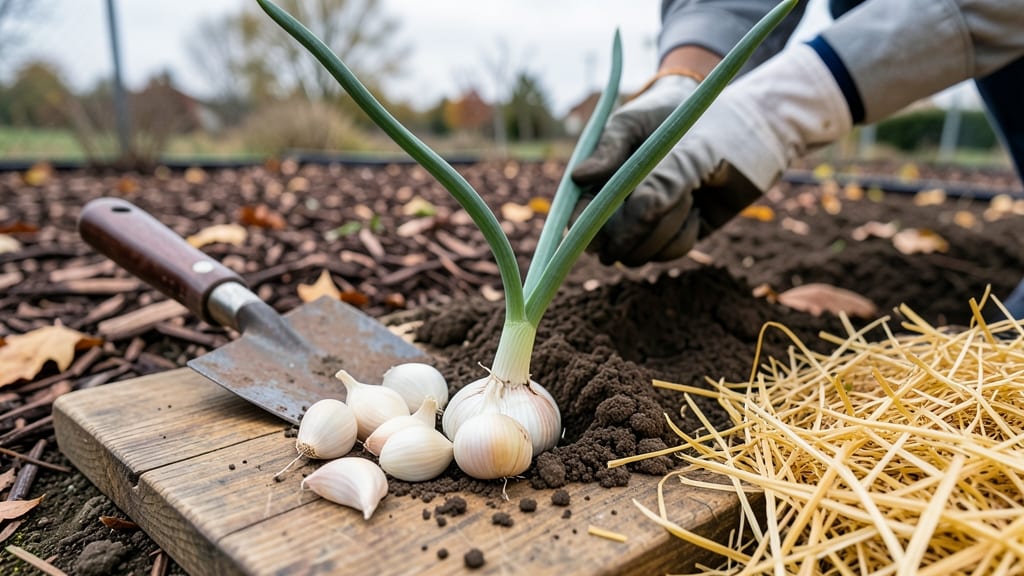
Plant garlic bulbs in Zone 5 between mid-October and early November—the 6-week window before the ground freezes—to give roots time to establish before winter.
Get this wrong, and you might end up with weak, stunted bulbs or—worse—no harvest at all. I’ve seen gardeners in Zone 5 rush planting in September only to watch their cloves rot in the damp soil, or wait until December and get nothing but frozen disappointment.
Timing isn’t just about dates—it’s about soil temperature, frost dates, and even moon phases. Hardneck varieties, the gold standard for Zone 5, need cold to form bulbs, but too much cold too soon can kill them before they take root.
In this guide, I’ll break down the exact dates for your region, how to prep cloves and soil, and the one trick that’s kept my garlic thriving for years—even in brutal winters.
Best fall planting window for Zone 5 garlic: exact dates & moon phase insights
Timing is everything when planting garlic bulbs in Zone 5, especially for hardneck varieties that thrive in our cold winters. The ideal window falls between October 15 and November 15, but exact dates vary by region.
Planting too early risks rot, while late planting may produce smaller bulbs or fail to mature before summer heat. Let's break down the perfect timing and how to leverage moon phases for stronger roots.
Zone 5 spans diverse microclimates, from northern Minnesota to southern Missouri. In northern Zone 5, aim for October 1-15—soil temps should hover around 40-50°F—while southern Zone 5 gardeners can push to November 1-15.
The key is planting 4-6 weeks before the ground freezes, allowing roots to establish before winter dormancy. Use your local USDA frost date as your guide.
| Zone 5 Region | Best Planting Window | Soil Temp Goal | Moon Phase Tip |
|---|---|---|---|
| Northern (MN, WI, MI) | October 1-15 | 40-50°F | Plant during waxing moon for root growth |
| Central (IA, IL, IN) | October 10-25 | 45-55°F | Avoid full moon—roots may grow too fast |
| Southern (MO, KY, TN) | November 1-15 | 50-60°F | New moon planting boosts bulb development |
Moon phases play a surprising role in garlic success. Plant during the waxing moon (when the moon grows brighter) to encourage strong root development. Avoid the waning moon (after the full moon), as it can lead to weak stems.
For hardneck garlic, which stores energy in the scape, timing with the moon's gravitational pull helps direct nutrients where you need them most—in the bulb.
Early planting risks include rot from excess moisture or premature sprouting before winter. Late planting, on the other hand, may result in smaller bulbs or poor overwintering, especially if soil temps drop below 32°F.
The 4-6 week buffer before freeze ensures garlic has time to establish roots but isn’t actively growing when winter hits. Use a soil thermometer to confirm temps are ideal before planting.
For Zone 5 gardeners, the first two weeks of November is often the sweet spot—cool enough to slow early growth but warm enough for root establishment. If your area experiences early frosts, prioritize planting by October 31, even if it means slightly warmer soil.
Hardneck varieties like 'Music' or 'German White' handle these conditions best, producing robust bulbs despite the challenges.
Pro tip: Mark your garlic planting dates on a garden calendar alongside moon phases. For example, the October 2024 waxing gibbous moon (October 13-20) is prime for northern Zone 5 plantings.
Check annual moon phase calendars for your specific year. Pair this with well-draining soil and 2-3 inches of mulch to protect cloves from freeze-thaw cycles.
If you’re on the fence about timing, err on the earlier side. Garlic planted in mid-October will have a head start on root growth, making it more resilient through winter.
Just be prepared to mulch heavily (4-6 inches) if early planting coincides with warmer-than-average fallsCentral Asian steppes, where cold winters trigger dormancy.
Common mistakes in Zone 5 include planting too late (after November 15) or skipping soil prep. Test your soil’s pH (6.0-7.0 ideal) and amend with compost before planting.
Avoid fresh manure, which can burn cloves. For container gardening, use well-draining mixes and plant in early October to prevent winter waterlogging.
Remember, hardneck garlic is the star of Zone 5 gardens—its cold hardiness and scape production make it worth the timing precision. By aligning your planting with local frost dates and lunar cycles, you’ll harvest plump bulbs ready for braiding or storage by July or August. Happy planting! 🌱
How to prepare garlic bulbs for planting: clove selection, soil prep & fall care
Preparing garlic bulbs for planting in Zone 5 isn’t just about sticking cloves in the ground—it’s about setting them up for a successful overwintering and a bountiful summer harvest.
The key lies in selecting the right garlic cloves, amending clay-heavy soil, and providing the perfect fall care routine to protect your crop from harsh winters. Let’s break down the essential steps to ensure your garlic thrives.
First, focus on clove selection. Choose large, firm bulbs with plump individual cloves—these will yield the biggest harvests.
Avoid any bulbs with soft spots or sprouts that are too small, as they won’t establish strong roots before winter. Hardneck varieties like ‘Music’ or ‘German White’ are ideal for Zone 5, as they handle cold better than softnecks.
Once you’ve picked your bulbs, separate the cloves carefully, ensuring each has its papery skin intact.
Next, prepare your Zone 5 soil, which is often clay-heavy and can compact easily. Start by loosening the soil to a depth of 12 inches with a broadfork or tiller. Mix in 2-3 inches of compost or well-rotted manure to improve drainage and fertility.
If your soil tests below pH 6.0, add pelletized lime to raise it—garlic prefers slightly acidic to neutral soil. For extra insurance, work in a handful of granular fertilizer (5-10-10) to give your cloves a nutrient boost before winter.
Once your soil is ready, create planting trenches about 2 inches deep, spacing them 12 inches apart. Place each garlic clove with the pointed end up, about 4-6 inches apart within the trench. Cover them with soil and water deeply to settle everything in.
This timing is critical—planting too early can cause premature sprouting, while planting too late may leave cloves vulnerable to winter freeze-thaw cycles.
After planting, mulch heavily with straw or leaves (4-6 inches thick) to protect your garlic from extreme cold. This mulch layer acts as an insulator, preventing soil temperature fluctuations that can stress the bulbs. In Zone 5, where winters can be brutal, this step is non-negotiable.
Avoid using fresh grass clippings or wood chips, as they can compact or deplete nitrogen from the soil. Replenish mulch as needed throughout winter to maintain coverage.
Watering in fall is minimal but strategic. After planting, give your garlic a deep soak to encourage root growth, but avoid overwatering. Once the ground freezes, reduce watering to once every 2-3 weeks unless we experience a dry spell.
Overwatering can lead to rot or fungal diseases, while underwatering may cause cloves to dry out before spring. Strike a balance—your goal is steady moisture, not soggy soil.
With these steps, your Zone 5 garlic will be well on its way to producing plump, flavorful bulbs next summer. The key is patience and preparation—your fall efforts will pay off when you harvest those golden cloves in July or August. Happy planting! 🧄