
Planting
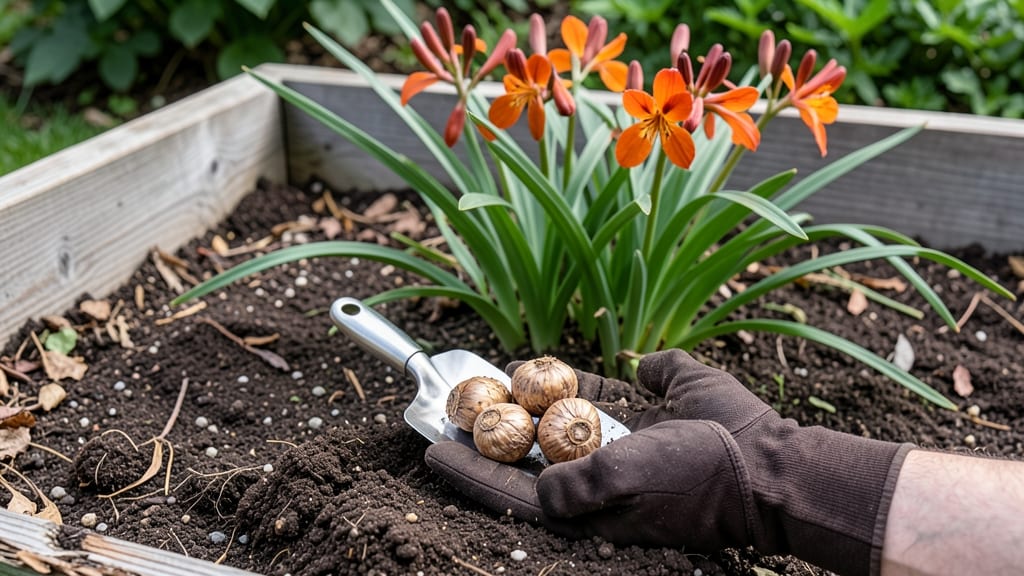
To plant Montbretia bulbs at the right time ensures vibrant summer blooms and strong roots that survive winter—fall is your best bet for success.
Picture this: you’ve waited all year for those bright orange and yellow flowers to light up your garden, only to realize you planted too late or too early. Montbretia bulbs need 6-8 weeks before the first frost to establish roots, and timing can make or break their performance.
In USDA Zone 6a, where many gardeners live, early fall planting (late August to early October) gives bulbs enough time to root before winter dormancy. But if you’re in a warmer region, late fall might still work—just adjust based on your local frost date.
Below, I’ll break down the exact planting window for your climate, soil prep tips, and how to protect your bulbs if winter hits early. Ready to set your Montbretia up for a show-stopping summer display?
Best fall planting timeline for Montbretia bulbs by climate zone
Fall is the perfect time to plant Montbretia bulbs because they need 6-8 weeks of cool weather to establish roots before winter dormancy. In USDA zones 5-10, timing varies dramatically—plant too early, and bulbs may sprout prematurely; too late, and they won’t root deeply enough for summer blooms.
The key is understanding your local frost dates and adjusting your schedule accordingly.
For cooler climates (zones 5-7), aim for early September planting—this gives bulbs time to root before the ground freezes. In warmer zones (8-10), you have flexibility until mid-November, but avoid planting when soil temperatures stay above 60°F for prolonged periods.
Regional microclimates matter too: Pacific Northwest gardens may need earlier planting than Southern states like Florida.
Montbretia bulbs are frost-tolerant but prefer to avoid deep freezes while rooting. In zone 5, plant by mid-September; in zone 7, extend to late October. Zones 8-10 can plant until November 15, but monitor rainfall—too much moisture can cause bulb rot. Always check your local first frost date and plant 6-8 weeks prior.
| USDA Zone | Ideal Planting Window | Last Planting Date | Key Consideration |
|---|---|---|---|
| Zones 5-6 | Early September | Mid-October | Frost-sensitive; plant before ground freezes |
| Zones 7-8 | Late September | Mid-November | Avoid warm soil; monitor rainfall |
| Zones 9-10 | October-November | December 15 | No frost risk; prioritize soil moisture |
| Pacific Northwest | August-September | Early October | Cooler, wetter climate; plant earlier |
| Southern States | September-October | November 30 | Hotter soil; avoid summer planting |
In the Pacific Northwest, where summers are mild and winters damp, start planting Montbretia bulbs in August. The cooler, wetter climate means bulbs can establish roots faster, but avoid planting after early October—soil temperatures drop too quickly.
For Southern states, focus on September-October planting. Hotter soil can stress bulbs, so prioritize well-draining soil and mulch heavily to retain moisture.
If you miss the fall window, spring planting is possible but riskier. Plant Montbretia bulbs in early spring (March-April) only if your climate has no hard frosts after planting. Bulbs may bloom the same year, but growth is less vigorous than fall-planted bulbs.
For container gardening, fall planting still applies—just use well-draining pots and move containers to a sheltered spot in winter.
After planting, mulch heavily (3-4 inches) to protect bulbs from temperature swings. In zone 5, add an extra layer of straw or leaves for insulation. Water deeply once after planting, then reduce to monthly watering unless drought occurs. Avoid fertilizing in fall—bulbs need to harden off naturally before winter.
Watch for early sprouts in mild winters (zones 8-10). If shoots appear, protect them with lightweight row covers or move containers indoors temporarily. In zone 5, bulbs may stay dormant until late spring—this is normal. Resist the urge to fertilize until spring growth begins, typically in April-May.
For maximum summer blooms, time planting so bulbs are 6-8 inches deep in the soil by winter. In sandy soils, plant slightly deeper (3 inches); in clay soils, amend with compost first.
Always plant in full sun—Montbretia needs 6+ hours of sunlight daily to thrive and produce vibrant blooms.
Remember: Montbretia bulbs multiply over time, so divide clumps every 3-4 years in early spring. This keeps plants healthy and ensures bold summer displays year after year. With the
Critical soil and site prep before planting Montbretia bulbs
Montbretia bulbs thrive when planted in the right conditions, and soil prep is half the battle. These drought-tolerant beauties demand well-draining soil with a slightly acidic pH (6.0-7.0) to prevent rot and encourage vibrant blooms.
Without proper prep, even the hardiest bulbs can struggle to establish strong roots before summer's heat arrives.
Start by selecting a sun-drenched spot—montbretia is a full-sun lover that fades in shade. Aim for at least 6-8 hours of direct sunlight daily, as this triggers those iconic summer flower spikes. If your garden has partial shade, montbretia will still grow but may produce fewer blooms.
⚠️ WARNING: Planting Montbretia Bulbs Too Late ⚠️
Before digging, amend your soil with organic matter like compost or aged manure to improve drainage. Montbretia hates soggy roots, so avoid heavy clay by mixing in sand or perlite if needed.
Test your soil's pH—if it's too alkaline, add sulfur or peat moss to lower it gradually over 2-3 weeks.
When planting, space bulbs 3-4 inches apart in clusters for a fuller look, with 2 inches of soil covering the top. Deeper planting risks rot, while shallower depths may expose bulbs to temperature swings. Use a trowel for precision, especially in rocky soil where bulbs can get damaged.
After planting, apply a 2-inch mulch layer of straw or shredded leaves to retain moisture and regulate soil temps. This is especially critical in hot climates where summer heat can dry out bulbs before they bloom.
Water deeply but infrequently—montbretia despises soggy feet but thrives with consistent moisture during root establishment.
With the right prep, your montbretia will reward you with bold summer blooms that dance in the breeze. The key? Well-draining soil, full sun, and planting at the perfect time—all before the first frost. Your garden will thank you with vibrant, low-maintenance color from July through September. 🌸