
Plants
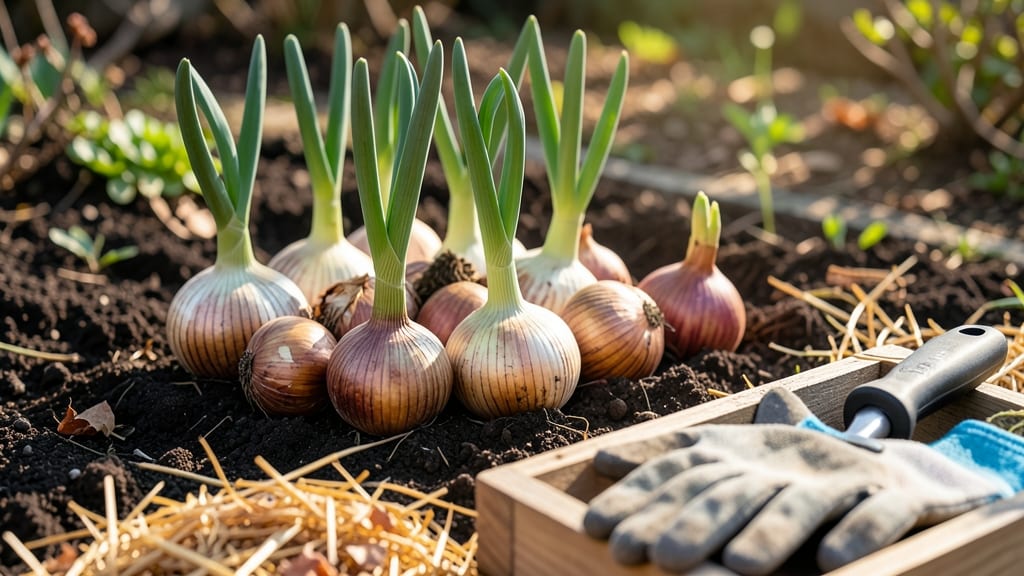
Planting onion bulbs in North Carolina at the right time ensures a perfect harvest of sweet, flavorful 🧅—and missing the window means wasted effort or stunted growth.
Most gardeners in NC’s 7a-8b zones assume late winter is the only option, but the best time is actually late summer to early fall, when soil stays warm long enough for roots to establish before winter.
This guide breaks down the exact frost-date formula for your region, including how to adjust for early vs. late varieties and soil temperature thresholds that make or break your onions.
You’ll learn how to time it right for spring or fall harvests, avoid common mistakes, and even troubleshoot if your onions bolt or rot—so you can finally grow the onions you’ve been dreaming of.
North Carolina onion planting dates by last frost date
North Carolina's frost dates are the secret to growing perfect onions. With USDA Zones 7a-8b, your last frost typically falls between March 15 and April 15, while the first frost arrives around November 15.
These dates create two ideal planting windows for onions—spring and fall—that align with your region's climate.
For spring onions, you'll want to plant onion sets or transplants about 4-6 weeks before your last frost date. This gives them enough time to establish roots before the soil warms up.
Meanwhile, fall onions should go in the ground 8-10 weeks before your first frost so they can mature before winter sets in.
Here's the key: Soil temperature matters just as much as frost dates. Onions thrive when soil temps are between 45°F and 65°F. If you plant too early, cold soil can stunt growth, while waiting too long risks bolting or poor bulb development.
North Carolina's microclimates also play a role. Coastal areas like Zone 8b may have later frost dates, while mountain regions like Zone 7a could see frost weeks earlier. Always check local weather trends to fine-tune your timing.
| Planting Window | Onion Type | Planting Time (NC) | Soil Temp | Harvest Time |
|---|---|---|---|---|
| Spring Planting | Short-Day Varieties | Feb 15 - Mar 15 | 45°F - 65°F | May - July |
| Fall Planting | Long-Day Varieties | Aug 1 - Sep 15 | 50°F - 70°F | Oct - Nov |
| Overwintering | Cold-Hardy Varieties | Sep 15 - Oct 15 | 40°F - 55°F | May - June |
| Late Spring | Green Onions | Mar 15 - Apr 15 | 50°F - 65°F | Apr - May |
If you're growing spring onions, aim for late February to mid-March in most of NC. This timing ensures your onions have enough time to mature before summer heat sets in.
For fall onions, late summer planting (around August 1 to September 15) is ideal, giving them time to bulb up before winter.
Don't overlook cold-hardy varieties like 'Texas Early White' or 'Yellow Sweet Spanish'. These can handle NC's cooler springs and falls, extending your planting window. They're perfect for overwintering or early spring harvests, especially in Zone 7a areas where frosts linger longer.
For green onions, you can plant later—even as late as April 15—since they don't need to bulb fully. This flexibility makes them a great choice for gardeners who miss the ideal window for storage onions.
Pro tip: Use onion sets (small bulbs) for spring planting—they're more cold-tolerant than transplants. For fall, transplants give you a head start, especially if you're growing larger varieties like 'Texas Grano' or 'Red Creole'.
Always check your local Almanac frost dates to adjust for your specific NC county. A few degrees or days can make all the difference between a thriving crop and a disappointing harvest.
5 Critical factors that adjust your onion planting timeline
North Carolina's variable climate makes timing everything for onion success. While most gardeners focus on frost dates, I’ve learned the real magic happens when you account for soil warmth, onion variety, and even your backyard’s microclimate.
These five factors can shift your planting window by weeks—and determine whether you’ll harvest plump bulbs or sad, bolted greens.
Start with soil temperature, the unsung hero of onion planting. Onions need soil at least 40°F (4°C) to sprout, but 50°F (10°C) or warmer ensures steady growth.
In NC’s Zone 7a-8b, this means waiting until late February for spring plantings or early September for fall crops. Test your soil with a thermometer—don’t guess!
Next, your onion variety dictates the timeline. Short-day onions (like Texas Early White) thrive in NC’s climate and mature faster, while long-day varieties (such as Sweet Spanish) need cooler conditions to bulb properly.
Plant short-day types 4-6 weeks before last frost (mid-February) and long-day varieties 8-10 weeks before first frost (early September).
Don’t overlook bulb size, which affects your timeline. Large onion sets (over 1") establish roots faster than small ones, giving you a 2-3 week head start.
For example, if you plant small sets on March 15, large sets can go in as early as February 20—critical for avoiding spring bolting. I’ve seen gardeners skip this and end up with skinny, pithy onions.
Your yard’s microclimates can shift planting dates by weeks. A south-facing bed might hit 50°F (10°C) soil two weeks earlier than a shady corner. Use this to your advantage: plant heat-loving varieties like Yellow Granex in warmer pockets, or delay planting in cooler areas until March 1 instead of February.
Mulch with straw to regulate soil temps and extend the season.
Finally, frost dates are your baseline—but they’re not the whole story. While NC’s average last frost is March 15, mountain regions (like Zone 7a) often wait until April 1. For fall plantings, aim to have bulbs mature 8-10 weeks before first frost (around November 15).
In warmer coastal areas (Zone 8b), you might squeeze in a second fall crop by planting late August.
Pro tip: Combine these factors with a planting calendar tailored to your county. For instance, in Raleigh (Zone 7b), I plant short-day onions on February 28 and long-day types on September 1—adjust for your location!
With these tweaks, you’ll nail the timeline and enjoy onions that store all winter.