
Plants
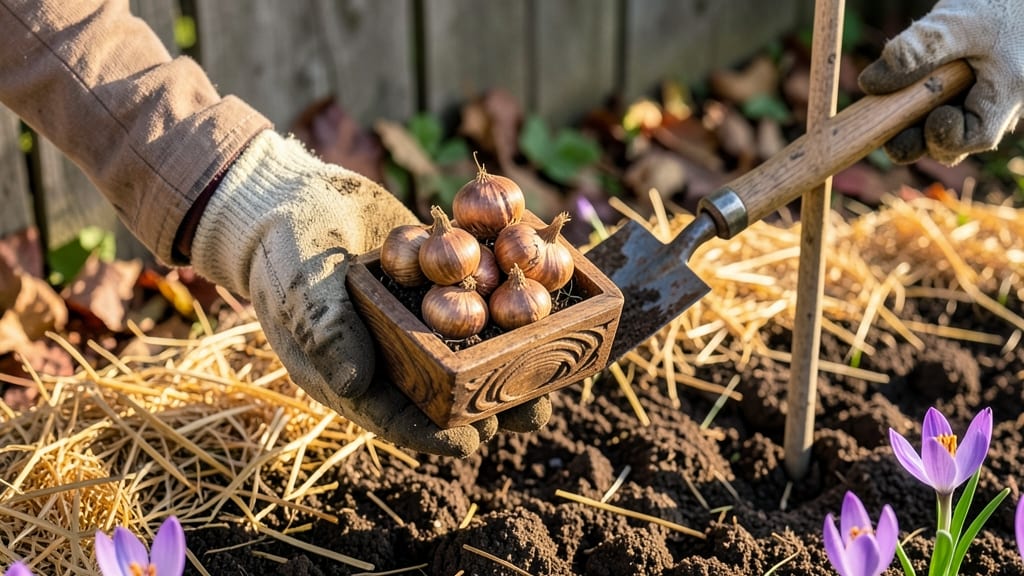
To plant saffron bulbs at the best time, aim for late summer or early fall—when soil temps dip below 70°F but before the first hard frost hits.
Timing is everything when growing saffron—plant too early or too late, and your delicate 🌼 Saffron Crocus bulbs may struggle to establish before winter’s chill. But get it right, and you’ll unlock a harvest of the world’s most prized spice.
In USDA Zone 6a (like much of the Midwest), that means September through October, when the ground is still warm enough for roots to take hold but cool enough to trigger dormancy. Skip the spring window entirely—saffron bulbs need a cold period to bloom properly.
Below, I’ll break down the exact months for your climate, soil prep secrets to boost survival, and how to avoid the three biggest mistakes that kill saffron yields before they even start.
Optimal planting months for saffron bulbs by USDA hardiness Zones
Saffron crocus bulbs (Crocus sativus) thrive when planted in early fall, but the exact timing depends on your USDA hardiness zone and local climate. In cool northern zones (3-5), aim for late August to mid-September—this gives bulbs time to root before winter.
Meanwhile, warmer southern zones (8-10) can plant as late as November, but avoid planting when soil temps exceed 70°F.
Microclimates play a huge role—coastal areas may have milder winters and later frost dates, while inland regions can experience earlier freezes.
For example, Zone 7 gardeners in the Pacific Northwest might plant in October, while Zone 7 gardeners in the Midwest should plant by mid-September to avoid early frost damage.
Soil temperature is critical: Ideal planting soil temps range between 50°F and 65°F. Use a soil thermometer to check—if temps are above 70°F, bulbs may sprout too early and suffer from heat stress.
In Mediterranean climates (Zones 9-10), plant in late fall to align with natural rainfall patterns and avoid summer drought stress.
Here’s a quick reference for optimal planting windows by zone, including adjustments for microclimates:
| USDA Zone | Best Planting Month | Soil Temp Goal | Microclimate Adjustments |
|---|---|---|---|
| 3-4 | Late August - Early September | 50°F - 60°F | Plant 2-3 weeks earlier in inland zones; delay 1 week in coastal areas. |
| 5-6 | Mid-September | 55°F - 65°F | Avoid planting after first frost date; use mulch in high-altitude areas. |
| 7-8 | October | 60°F - 70°F | Coastal zones: plant in November; inland zones: plant by mid-October. |
| 9-10 | November | 65°F - 75°F | Plant after monsoon season; avoid summer planting due to heat stress. |
In Zone 5 gardens, I’ve found that planting by September 15th ensures bulbs establish roots before the ground freezes. Use a soil thermometer to confirm temps—if they dip below 40°F, bulbs may not survive.
For Zone 9 Mediterranean climates, wait until November to align with natural rainfall and cooler temps.
Adjust for early fall heatwaves by planting in the evening or using shade cloth until soil cools. In cooler microclimates, like high-altitude gardens, plant earlier (late August) to compensate for shorter growing seasons.
Always check your local frost dates—planting too late can leave bulbs vulnerable to winter heaving.
Pro tip: If your fall is unusually warm, chill bulbs in the fridge for 6-8 weeks before planting to mimic winter conditions. This trick works wonders for Zone 7-8 gardeners facing delayed autumns.
For coastal zones, like California’s Zone 9, plant in November to avoid summer drought stress.
Remember, saffron bulbs need cold dormancy to flower—planting too late in Zones 3-5 can result in poor blooming the following spring. Aim to plant 4-6 weeks before your average first frost date for best results. In Mediterranean climates, this might mean planting in late fall rather than early.
For container gardening, plant saffron bulbs in October (Zones 6-8) or November (Zones 9-10) to ensure they establish before winter. Use well-draining pots and place them in full sun—containers heat up faster, so monitor soil temps closely.
In Zone 4 gardens, I’ve had success planting in late August with a thick layer of straw mulch to insulate bulbs.
Finally, don’t rush planting—even if your garden center has bulbs in stock. Waiting for ideal soil temps (50°F-65
How to adjust saffron planting for unusual weather patterns
Unpredictable weather can throw off your saffron planting schedule, but with the right adjustments, you can still grow thriving saffron crocus. Early freezes, delayed autumns, or warm springs all demand flexibility—knowing how to adapt ensures your bulbs establish roots before winter sets in.
The key is monitoring soil temperatures and frost dates while using protective techniques to shield delicate corms.
If your region experiences unseasonably warm early autumns, resist the urge to plant too soon. Saffron bulbs need 4-6 weeks of cool soil (below 60°F) to root properly before dormancy. Planting in warm soil can trigger premature sprouting, leaving them vulnerable to frost damage.
Similarly, delayed autumns with late frosts require patience—wait until 6-8 weeks before your first frost to ensure bulbs have time to establish.
⚠️ Critical Planting Red Flags
- Bulbs sprouting too early: If green shoots appear before frost dates, your bulbs are at risk. Cover with mulch or move pots to a sheltered spot.
- Soil temps above 60°F: Wait until soil cools—use a thermometer to check. Warm soil can cause rot.
- Late frost warnings: If frost is predicted after planting, use row covers or plant in containers for mobility.
Act fast—saffron corms have limited root growth before winter dormancy. Delaying planting past November risks poor establishment.
For early freezes, prioritize soil insulation to protect newly planted bulbs. Mix compost or sand into the soil to improve drainage and add a 3-inch layer of straw mulch after planting. This acts as a thermal buffer, preventing rapid temperature swings that can shock delicate corms.
In extreme cases, use black plastic mulch to absorb heat during the day and release it slowly at night.
If your spring arrives unusually early, your saffron bulbs may break dormancy too soon. Monitor for green shoots in late winter—if they appear before last frost dates, cover the bed with burlap or frost cloth to protect tender growth.
Alternatively, delay planting until late fall (November) to align with natural dormancy cycles. This strategy works best in warmer climates (Zones 8-10), where winters are mild.
Another trick for unpredictable springs is artificial chilling. Store bulbs in a paper bag in your refrigerator’s crisper drawer (around 35-40°F) for 6-8 weeks before planting. This mimics natural winter chilling, ensuring bulbs stay dormant until conditions are safe.
Label your bags with the planting date to avoid confusion—saffron bulbs can be tricky to time!
Finally, consider container growing for maximum flexibility. Pots allow you to move saffron to sheltered spots during early freezes or bring them indoors if unseasonable warmth arrives. Use well-draining terracotta pots (to prevent rot) and plant bulbs at the same depth as outdoors.
Place containers in full sun and water sparingly—saffron is drought-tolerant once established.
Adjusting your saffron planting schedule takes observation and quick action, but the payoff is worth it. With these strategies, you’ll navigate unusual weather like a pro and still harvest golden stigmas come autumn. Happy growing! 🌼