
Plants
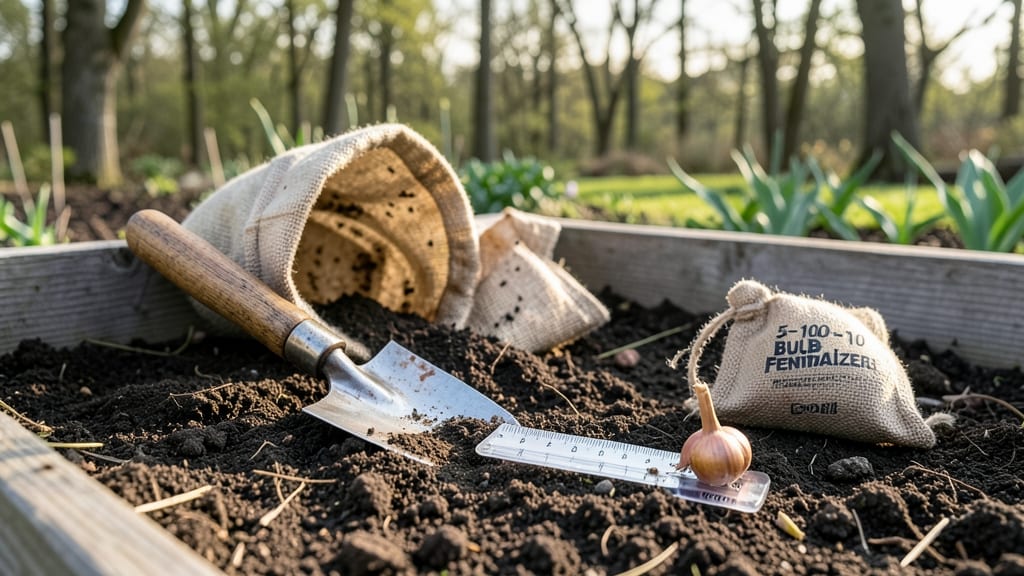
Planting tulip bulbs in Zone 6 during October or November 🌷 is the key to vibrant spring blooms that will make your neighbors jealous.
Tulips bring vibrant color to spring gardens—but planting them at the wrong time in Zone 6 can mean weak blooms or no flowers at all. Timing is everything, and missing the window by even a few weeks can drastically reduce your success rate.
Most gardeners in Zone 6a-6b wait until the soil cools to 50°F and the first frost is just around the corner. This ensures the bulbs establish strong roots before winter dormancy, setting the stage for healthier stems and bigger blooms next spring.
In this guide, you’ll learn the exact 4-6 week window before the ground freezes, how to adjust for early freezes, and a simple checklist to make sure your tulips thrive. Let’s get those bulbs in the ground the right way!
Best months to plant tulip bulbs in Zone 6 for Optimal growth
In Zone 6, timing is everything when planting tulip bulbs—aim for late fall to give roots time to establish before winter. The ideal window is between mid-October and mid-November, when soil temperatures drop below 60°F (15°C) but before the ground freezes solid.
This balance ensures strong root development before dormancy, leading to vibrant blooms next spring.
Planting too early (like September) risks premature sprouting from warm soil, while waiting until December may leave bulbs vulnerable to freeze damage before roots form. The key is to plant when daytime temps average 40-50°F (4-10°C)—a sweet spot for bulb growth without stress.
In my garden, I always check the USDA frost map to confirm local conditions.
| Planting Window | Soil Temp Threshold | Frost Risk | Root Development |
|---|---|---|---|
| Mid-October | 60-50°F (15-10°C) | Low (first frost ~mid-October) | Early root start |
| Late October | 50-40°F (10-4°C) | Moderate (frost likely) | Optimal growth |
| Mid-November | 40-32°F (4-0°C) | High (ground freezes) | Roots harden for winter |
| Early December | Below 32°F (0°C) | Very High | Risk of bulb damage |
For Zone 6a (colder microclimates), push planting to early November to avoid early freezes, while Zone 6b gardeners can plant as late as mid-November. I’ve found that Darwin Hybrid tulips handle late planting better than fragile species tulips, which need precise timing.
Always bury bulbs 6-8 inches deep in well-draining soil mixed with compost for best results.
Adjust for early freezes by planting earlier (late September) if your area tends toward cold snaps. Conversely, in urban heat islands, soil stays warmer longer—wait until early November to avoid sprouting.
I once planted in early October and saw green shoots by November—a sure sign of poor timing. Always prioritize root establishment over early planting.
Planting in October gives bulbs 6-8 weeks of root growth before winter, while November plantings still benefit from 4-6 weeks of development. The goal is to have roots 1-2 inches long before dormancy.
I test soil readiness by checking if a soil thermometer reads below 50°F (10°C) consistently—this is my green light to plant.
If you miss the window, don’t panic! December planting is still possible in Zone 6b, but cover bulbs with 4-6 inches of mulch to insulate them. Just be prepared for smaller blooms the first year.
I’ve successfully planted in early December by adding extra mulch, but I always aim for the October-November window for the best results.
Pro tip: Plant tulip bulbs in groups of 10+ for a dramatic display. Space them 4-6 inches apart and mulch with straw or shredded leaves after planting to retain moisture and insulate roots.
This simple step has doubled my bloom count over the years. Remember, well-established roots = bigger flowers.
For container gardening in Zone 6, plant bulbs in October and keep pots in a garage or cold frame until spring. This mimics natural ground conditions and prevents premature sprouting. I’ve grown stunning tulips in pots using this method—just ensure containers have drainage holes to avoid rot.
Finally, avoid planting tulip bulbs in spring—they won’t bloom the same year. Spring planting forces bulbs to focus on foliage growth, not flower development. Stick to fall planting for next spring’s spectacular blooms. With the right timing, your Zone 6 garden will burst with color year after year.
How to determine the perfect planting date in Zone 6 (with local adjustments)
Determining the exact moment to plant tulip bulbs in Zone 6 requires more than just checking a calendar. The ideal window is when soil temperatures drop to 50°F (10°C)—typically 6-8 weeks before the first hard frost.
For most of Zone 6, this lands in late October to early November, but your local microclimate can shift this by weeks.
Start by checking the USDA Plant Hardiness Zone Map for your specific location—Zone 6a (average 5°F to -5°F) and 6b (-5°F to 0°F) can have slightly different frost dates.
For example, Charlottesville, VA might freeze by October 25, while Chicago, IL could wait until November 10.
Use a soil thermometer to confirm readiness—tulip bulbs need 40-50°F soil to root before dormancy. If your soil stays above 60°F in late fall, bulbs may sprout too early and get damaged by frost. Test 2-3 inches deep where you’ll plant.
⚠️ callout warning ⚠️
⚠️ Late Planting Risks for Tulips in Zone 6
Planting tulip bulbs after November 15 in Zone 6 increases risks of:
- Weak root growth before dormancy → fewer blooms next spring
- Frost heave (bulbs pushing up in freeze-thaw cycles)
- Rodent damage (mice love exposed bulbs in late autumn)
Pro Tip: If you miss the window, plant in early December but cover bulbs with 4-6 inches of mulch to insulate them.
Adjust your timeline for urban heat islands—cities like Philadelphia or Pittsburgh can stay 5-10°F warmer than rural areas, delaying frost by up to 2 weeks. Use a local weather station (like NOAA’s Frost/Freeze Forecast) for real-time data.
If your area had an early freeze last year, plant 2 weeks earlier this season.
For microclimates, like a south-facing slope or near a lake, bulbs may need planting 1-2 weeks earlier—warmer soil speeds up root development. Conversely, low-lying areas or north-facing spots can tolerate late planting by 10 days without risking frost damage.
Once you’ve nailed the date, plant bulbs 6-8 inches deep (twice their height) and 6 inches apart in well-draining soil. Water deeply after planting to encourage root growth before winter sets in. With the right timing, your tulips will reward you with bold, healthy blooms next spring! 🌷