
Plants
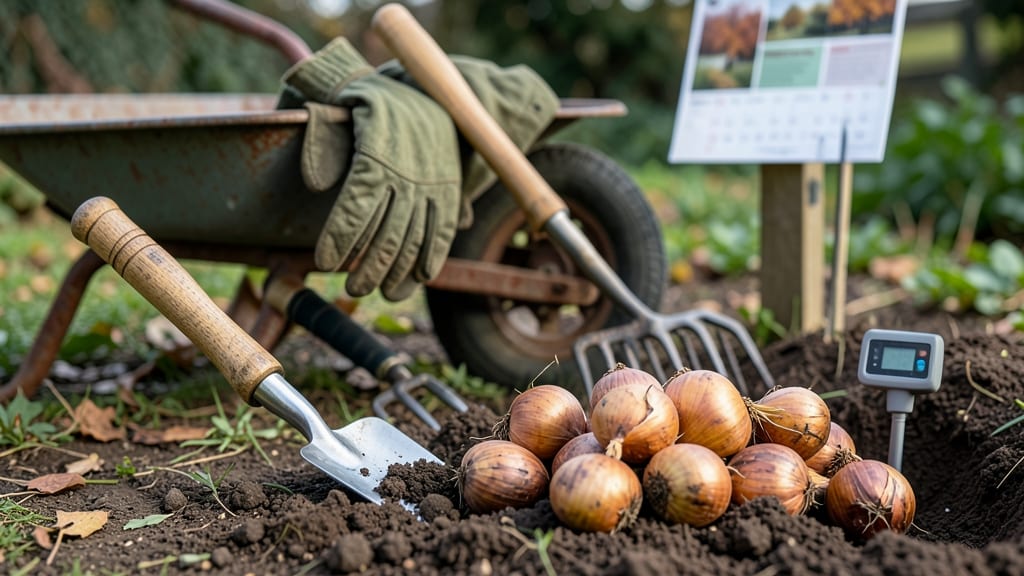
Planting tulip bulbs in Zone 8 requires timing them 6–8 weeks before frost—a window that feels narrow but is the key to vibrant spring blooms.
Zone 8 gardeners face a unique challenge with tulips 🌷—planting too early risks rot, while waiting too long can delay blooms—but timing these chill-loving bulbs just right unlocks reliable flowers year after year.
In Zone 8, that means aiming for late October to early November, when soil temps drop to 40–50°F and the ground is cool enough to prevent premature sprouting.
Below, I’ll break down the exact steps for soil prep, depth, and post-planting care to ensure your tulips thrive through winter and burst into bloom next spring.
Zone 8 tulip planting timeline: exact months and chill requirements
Tulips need a 12-16 week chilling period at 40-50°F soil temperatures to break dormancy and bloom reliably. In Zone 8, where winters are mild, timing is critical—plant too early and bulbs rot, too late and blooms delay.
The 6-8 week window before first frost (typically mid-November) is your sweet spot for vibrant spring flowers.
Unlike cooler climates, Zone 8 gardeners must calculate chill hours carefully. Most tulip varieties require 1,500-2,000 hours below 45°F. Without sufficient cold, bulbs may produce fewer or no flowers the following spring. This is where strategic planting—paired with mulching and soil prep—makes all the difference.
Here’s the exact timeline for Zone 8 tulips, broken down by key stages:
| Stage | Action | Ideal Timeframe | Soil Temp |
|---|---|---|---|
| Chill Period | Bulbs require 12-16 weeks at 40-50°F | October 1 – December 15 | 40-50°F |
| Planting Window | Plant bulbs 6-8 weeks before first frost | October 15 – November 15 | 60-70°F (cooling) |
| Post-Planting Care | Mulch with 2-3 inches of straw | After planting (Oct-Nov) | 40-50°F (stable) |
| Bloom Trigger | Daylight + completed chill period | February-March | 50-60°F (warming) |
| First Frost Deadline | Avoid planting after mid-November | Mid-November | Below 32°F |
In Zone 8, the ideal planting window is mid-October to mid-November. This ensures bulbs get enough cold to trigger blooming but avoids the risk of rot from wet soil if planted too early.
For example, if your first frost is November 15, aim to plant by October 1 to meet the 6-8 week chill requirement.
Pro tip: Use Darwin Hybrid tulips or Fosteriana varieties for better heat tolerance. These types handle Zone 8’s milder winters slightly better than classic Dutch tulips. Always plant bulbs 6-8 inches deep and 4-6 inches apart to prevent heaving during freeze-thaw cycles.
If you miss the fall window, don’t panic! Some gardeners in Zone 8 successfully plant tulips in late December for spring blooms, though blooms may be smaller or delayed. The key is ensuring bulbs get at least 12 weeks of chilling before temperatures rise in late winter.
Monitor your soil temperature with a soil thermometer—ideal planting conditions occur when soil cools to 60°F or below. In southern Zone 8 (e.g., Orlando), this might mean waiting until late October, while northern Zone 8 (e.g., Dallas) can plant as early as mid-September.
After planting, mulch heavily with straw or pine needles to insulate bulbs and maintain consistent soil temps. This mimics the deeper cold exposure bulbs need. Remove mulch in late winter (February) to allow shoots to emerge as temps warm.
Remember: No chill = no blooms. If your Zone 8 winters feel too mild, consider pre-chilling bulbs in your fridge for 8-10 weeks before planting. Store them in a paper bag in the crispier drawer (35-40°F) to mimic natural cold stratification.
With the right timing, your Zone 8 tulips will reward you with bold, early spring blooms—proof that even in warmer climates, these chill-loving stars can shine. 🌷
Step-by-step fall planting guide for Zone 8 gardens
Fall is the perfect time to plant tulip bulbs in Zone 8, but getting the timing and technique right ensures strong roots and vibrant spring blooms. The key lies in 6-8 weeks before your first frost, typically mid-October through early November in Southern climates.
This window allows bulbs to establish roots before winter dormancy while avoiding the risk of rot from early rains or heaving from late freezes.
Before you dig, focus on well-draining soil mixed with compost. Tulips hate soggy conditions, so amend heavy clay with sand or grit if needed. Choose a sunny spot with 6+ hours of sunlight daily—this ensures robust blooms next spring.
Once your soil is prepped, follow these simple steps to plant bulbs like a pro.
Planting Tulip Bulbs in Zone 8: Your Step-by-Step Guide
- 1 Mark Planting Spots: Use a stick or trowel to poke holes 6-8 inches deep and 4-6 inches apart. This spacing prevents overcrowding and fungal diseases.
- 2 Plant Bulbs Pointy Side Up: Place each bulb with the root end down (flatter side) and pointy shoot end up. This ensures proper growth direction and avoids wasted bulbs.
- 3 Cover with Soil and Compost: Fill holes with a mix of native soil and compost (1:1 ratio). Gently tamp down to remove air pockets, which can cause rot.
- 4 Water Deeply After Planting: Give bulbs a deep soak (500-750ml per bulb) to settle the soil. Water again if rain doesn’t arrive within a week to encourage root growth.
- 5 Mulch to Protect Bulbs: Apply a 3-inch layer of straw or shredded leaves around (not over) the planting area. Mulch insulates bulbs from temperature swings and prevents winter heaving.
After planting, resist the urge to fertilize—tulips need time to establish roots without competing with nutrients. In early spring, once shoots emerge, apply a light 5-10-10 fertilizer to support bloom development. Avoid cutting back foliage until it fully yellows, as this feeds the bulb for next year’s flowers.
Zone 8 gardeners often worry about late freezes damaging tulips, but proper mulching and planting depth minimize risks. If your area experiences unpredictable frost dates, opt for Fosteriana tulips, which are more cold-hardy and bloom earlier.
With these steps, you’ll enjoy vibrant tulips year after year with minimal effort.
Pro tip: Label your planting spots now—tulip varieties vary in height and bloom time, and you’ll thank yourself in spring when you’re admiring your neat rows of colorful blooms! 🌷