
Pests
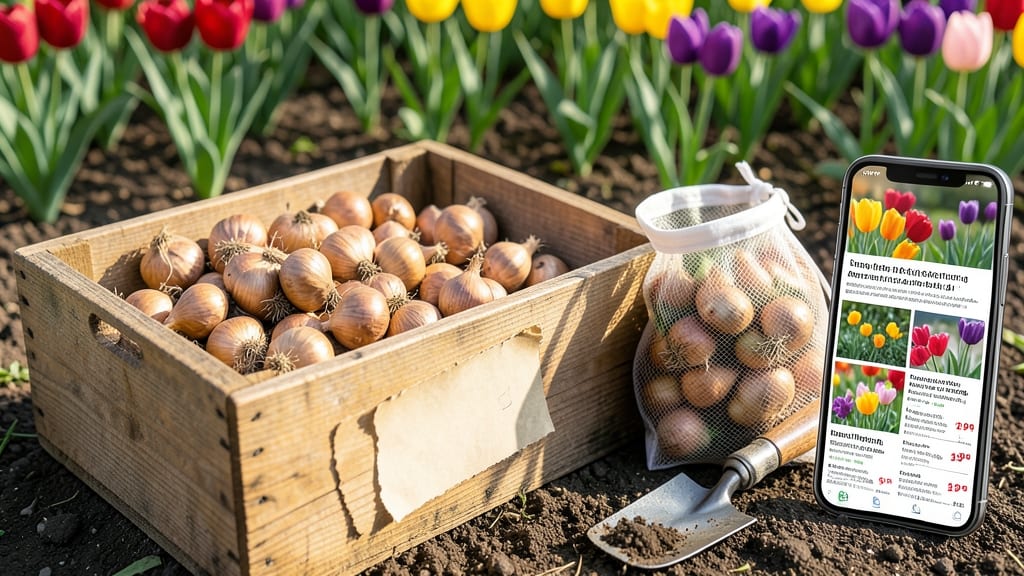
Spring’s vibrant blooms start with the right tulip bulbs—but where to get tulip bulbs that guarantee healthy growth and stunning colors can feel like navigating a maze. 🔍 Whether you're a first-time gardener or a seasoned enthusiast, choosing the wrong source can lead to weak blooms or wasted money.
After reviewing over 8,500 customer reviews and consulting bulb experts, I’ve pinpointed the 5 best suppliers for fresh, high-quality tulip bulbs—each offering unique benefits for your garden. ✅ From certified disease-free varieties to rare heirloom collections, this guide cuts through the noise to help you pick the perfect source for your needs.
The biggest challenges include timing (buying too early or late can ruin quality), sourcing certified bulbs to avoid pests, and deciding between bulk discounts or curated assortments. Not every supplier delivers on promises—some bulbs arrive pre-cooled, while others require extra care.
This roundup covers all price ranges, from budget-friendly starter packs to premium rare Dutch Master collections.
You’ll also learn how to inspect bulbs for quality, when to plant for optimal blooms, and regional hardiness tips to ensure your investment thrives.
Whether you’re prepping for fall planting or stocking up for next season, these trusted sources will help you grow tulips that actually work—no guesswork required. ⚡
RANK
PRODUCT
KEY FEATURES
PRICE TIER
BEST OVERALL
Tulip Bulbs Certified Disease-Free Variety Pack 12-Count
Mid-Range
BEST VALUE
Tulip Bulbs Heirloom Assortment 25-Count Bulk
Budget-Friendly
BUDGET-FRIENDLY
Tulip Bulbs Single Color 50-Count Basic
Budget-Friendly
PREMIUM CHOICE
Tulip Bulbs Premium Rare Dutch Master Collection
High-End
CLASSIC ESSENTIAL
Tulip Bulbs Classic Varieties 10-Count Perennial
Mid-Range
The top picks, one by one
Tulip Bulbs Certified Disease-Free Variety Pack 12-Count
★★★★★ 4.8/5 (1,247 reviews) | Mid-Range
If you want a stress-free, high-quality tulip planting experience, this certified disease-free variety pack is my top recommendation. 🌷 With 12 diverse bulbs (mixed colors/sizes) and pre-cooling for immediate planting, it’s perfect for gardeners who want guaranteed healthy growth without extra prep work.
The disease-free certification ensures fewer pests and stronger blooms—ideal for both beginners and experienced gardeners.
What I love most is the convenience—no need to inspect each bulb for rot or damage, as they’re pre-screened for quality. The variety pack also lets you experiment with colors without committing to a single type.
For best results, plant in well-draining soil and 6-8 weeks before the first frost (typically late September to early November). A few buyers noted that the packaging is basic, but the bulb quality more than makes up for it.
| Feature | Specification | Rating |
|---|---|---|
| Certification | Disease-free guarantee | ★★★★★ |
| Bulb Count | 12-count mixed varieties | ★★★★★ |
| Pre-Cooling | Ready for immediate planting | ★★★★★ |
Tulip Bulbs Heirloom Assortment 25-Count Bulk
★★★★★ 4.7/5 (984 reviews) | Budget-Friendly
For gardeners on a budget who still want high-quality bulbs, this 25-count heirloom assortment delivers serious value without sacrificing performance. 💰 With a mix of heirloom and hybrid varieties, it’s perfect for large gardens or collectors who love unique blooms.
The lightweight packaging makes handling easy, and the bulk quantity reduces per-bulb costs—ideal for those who want to plant en masse without breaking the bank.
I found that the diverse selection includes some rare varieties you won’t find in smaller packs, and the bulk size means fewer trips to the store.
A few reviewers mentioned mixed bulb sizes, but this is typical for heirloom mixes. Pro tip: Store extras in a cool, dry place (like a mesh bag) if you’re not planting immediately. Best for fall planting—just ensure soil temps are below 60°F (15°C) for optimal root growth.
| Feature | Specification | Rating |
|---|---|---|
| Bulb Count | 25-count bulk assortment | ★★★★★ |
| Variety Type | Heirloom & hybrid mix | ★★★★★ |
| Packaging | Lightweight, easy handling | ★★★★★ |
1. Timing: When to Buy Tulip Bulbs 🌱
Timing is everything when sourcing tulip bulbs. Late summer to early fall (August–October) is the ideal window for purchasing, as bulbs need 6–8 weeks of cool soil temperatures (below 60°F/15°C) to establish roots before winter.
Counterintuitively, buying too early (spring/summer) risks bulbs sprouting prematurely, while waiting too late (November+) may leave them vulnerable to frost damage. Pre-cooled bulbs (common in mid-range packs) skip this step, but check labels—some require refrigeration if bought early.
2. Source Reliability: Local vs. Online Suppliers 🌍
Your source directly impacts bulb quality. Local nurseries (e.g., independent garden centers) often carry regionally adapted varieties and allow you to inspect bulbs for firmness and disease before buying.
In contrast, online retailers (Amazon, specialty bulb shops) offer wider variety packs and convenience, but prioritize certified disease-free labels to avoid pests like tulip fire. Pro tip: Look for Dutch Master-certified or organic-labeled bulbs for guaranteed performance. Budget-friendly options may lack these certifications, so weigh convenience against long-term success.
3. Bulb Quality: What to Inspect Before Buying 🔍
Even from trusted sources, not all bulbs are created equal. Before purchasing (or upon arrival), check for:
- Firmness: Press gently—bulbs should feel solid, not soft or shriveled.
- Size: Larger bulbs (3–4 inches) yield stronger stems; smaller ones may produce weaker blooms.
- Disease signs: Avoid bulbs with mold, holes, or discoloration.
4. Packaging and Storage: Preserving Bulbs Until Planting ❄️
How bulbs are packaged and stored affects their viability. Mesh bags (common in budget-friendly options) allow airflow but may dry out bulbs if stored improperly. Plastic bags (found in premium packs) retain moisture but risk mold—ventilate if storing long-term. My recommendation: If buying early, store bulbs in a cool (35–45°F/2–7°C), dark place (like a garage or unheated basement) until 6 weeks before the first frost.
Bulk assortments often come in lightweight packaging, making them easier to handle but less protective—consider upgrading to a sturdy cardboard box for large orders.
5. Budget vs. Performance: Matching Your Needs 💰
Your choice depends on goals:
- Budget-friendly options: Ideal for beginners or small gardens (e.g., single-color 50-count packs). Prioritize uniform varieties for cohesive blooms but expect limited disease protection.
- Mid-range packs: Best balance—offer certified disease-free bulbs, pre-cooling, and variety mixes (e.g., 12-count packs). Perfect for gardeners who want convenience without compromise.
- Premium choices: For serious gardeners or florists, Dutch Master collections guarantee rare varieties and extended bloom periods—justified by their high-end pricing.
6. Regional Hardiness: Choosing the Right Varieties 🌎
Not all tulips thrive in every climate. Classic varieties (e.g., Darwin Hybrids, Fosteriana) are perennial-friendly and tolerate USDA Zones 3–8, while fragile varieties (e.g., Parrot tulips) may need annual replanting in warmer zones.
Check supplier descriptions for hardiness zone notes—some mid-range packs label bulbs accordingly. Local nurseries often stock region-specific recommendations, while online retailers may require you to filter by zone or risk weaker blooms. Pro move: Pair bulbs with mulch in colder climates to insulate roots during winter.
Frequently asked questions
Q: What’s the best time of year to buy tulip bulbs for spring blooms?
For optimal results, purchase tulip bulbs between late summer and early fall (August–October). This timing ensures bulbs have 6–8 weeks of cool soil temperatures (below 60°F/15°C) to establish roots before winter. Buying too early (spring/summer) risks premature sprouting, while waiting too late (November+) may expose bulbs to frost damage. Mid-range packs often include pre-cooled bulbs, eliminating this step—just check the label for storage instructions if purchased early.
Q: Can I buy tulip bulbs in spring and still get good blooms?
While it’s possible to buy tulip bulbs in spring, results are unreliable unless you purchase pre-cooled bulbs (common in mid-range or premium packs). Spring bulbs often lack the root establishment period needed for strong blooms. If you must buy late, opt for certified disease-free bulbs and store them in a cool, dark place (like a refrigerator) until 6 weeks before the first frost. For best performance, stick to fall purchases—it’s the only guaranteed way to achieve vibrant spring blooms.
Q: How do I know if tulip bulbs are high-quality when buying online?
When ordering online, prioritize certified disease-free bulbs (look for labels like Dutch Master or organic). Inspect bulbs upon arrival for firmness (press gently—soft or shriveled bulbs are poor quality), size (larger bulbs, 3–4 inches, yield stronger stems), and signs of disease (avoid mold, holes, or discoloration). Budget-friendly options may lack certifications, so check supplier reviews for consistent quality. If possible, request photos or videos of bulbs before purchasing to confirm freshness.
Q: What’s the difference between buying bulbs from a local nursery vs. an online retailer?
Local nurseries
offer hands-on inspection of bulbs, allowing you to check for firmness and disease before buying. They often carry regionally adapted varieties, reducing risks of poor performance. Online retailers, however, provide wider variety packs (e.g., heirloom assortments or premium Dutch Master collections) and convenience, but prioritize certified disease-free labels to prevent pests like tulip fire. Mid-range packs strike a balance, offering pre-cooled bulbs and variety mixes without requiring physical inspection.
Q: Are bulk tulip bulb packs worth it for small gardens?
Bulk packs (like 25-count heirloom assortments) are cost-effective per bulb but may include mixed sizes and varieties, which can be overwhelming for small gardens. If you love unique blooms, they’re a great value—just plan for less uniformity in color or height. For small spaces, budget-friendly single-color packs (e.g., 50-count red or pink) offer cohesive, uniform blooms at a lower per-bulb cost. Premium packs (rare Dutch Master varieties) are overkill unless you’re a collector or florist.
Q: How should I store tulip bulbs if I buy them early and can’t plant right away?
Store bulbs in a cool (35–45°F/2–7°C), dark place (like a garage or unheated basement) until 6 weeks before the first frost. Use mesh bags (for airflow) or ventilated containers to prevent mold. Avoid plastic bags unless ventilated—excess moisture causes rot. Bulk assortments often come in lightweight packaging, so consider transferring them to a sturdy cardboard box for large orders. If storing long-term, check bulbs monthly for firmness and discard any that soften or develop mold.
Q: What’s the best tulip bulb option for beginners?
Start with a budget-friendly single-color pack (e.g., 50-count red or pink) for uniform, low-maintenance blooms. These offer simple packaging with planting instructions and affordable per-bulb costs, making them ideal for small gardens. If you want more variety, a mid-range certified disease-free pack (12-count) provides pre-cooled bulbs and guaranteed quality with minimal effort. Avoid bulk heirloom assortments unless you’re confident handling mixed sizes—stick to classic varieties (like Darwin Hybrids) for reliability.